

Prediction market platform Kalshi has taken swift action to distance itself from conspiracy theories surrounding the Los Angeles mayoral election, requesting that its affiliated influencers remove sponsored posts that cast doubt on the integrity of the vote. The move, first reported by Semafor, highlights the growing tension between the booming prediction market industry and the spread of misinformation in a highly polarized political climate.
According to multiple reports, Kalshi contacted influencers who had posted content suggesting that the election results were being manipulated through late-counted mail-in ballots. One such post, from right-wing influencer David J. Freeman, who operates under the handle Gunther Eagleman, read: "Is CA cheating to get Spencer Pratt out?" and embedded a Kalshi market. Another post from Matt Van Swol asked how "EVERY SINGLE VOTE that comes in 'late' to California … nearly 100% of them … Go to ANYONE but Spencer Pratt." Both posts have since been deleted at Kalshi's request. Kalshi spokesperson Dani Lever told Semafor that the now-deleted posts "violate our affiliate marketing policies." However, the fact that the posts were live for days before being removed suggests that monitoring is reactive rather than proactive, raising questions about how effectively platforms can oversee hundreds of paid promoters in real time.
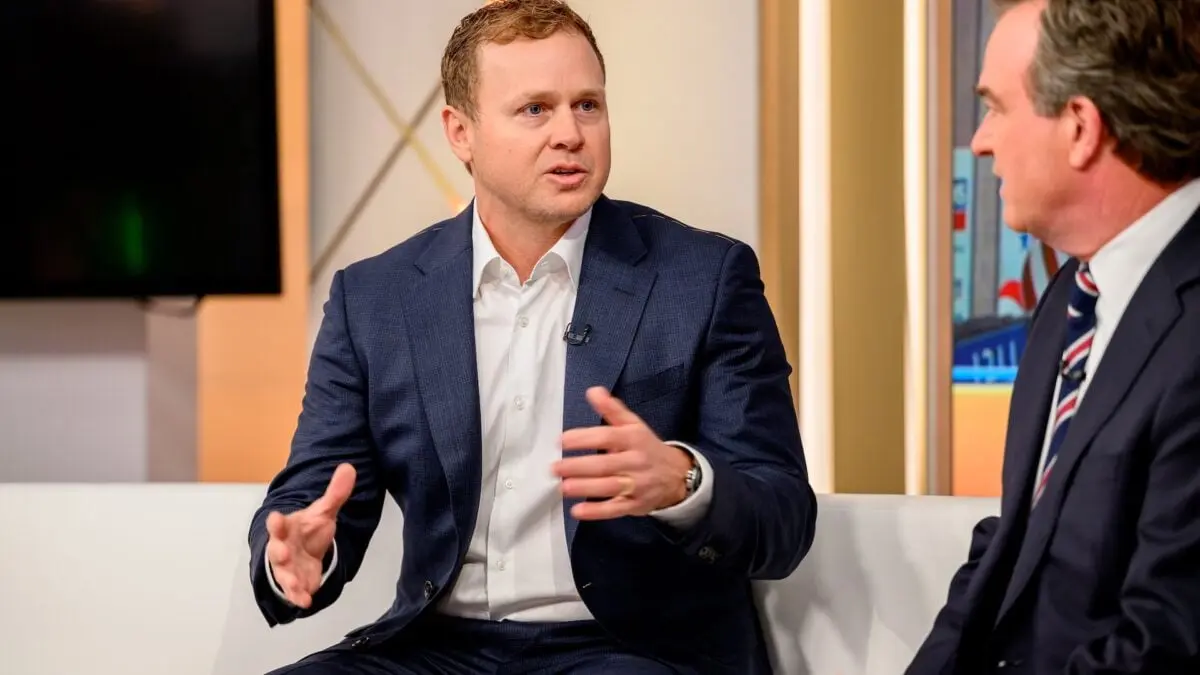
The controversy centers on the June 2 primary election for mayor of Los Angeles, a race that has captured national attention. The field originally included several candidates, but the contest quickly narrowed to a battle between conservative candidate and former reality TV star Spencer Pratt and progressive candidate Nithya Raman. Initial results showed Pratt in second place, with Raman trailing behind. However, as more mail-in ballots were counted in the days following the election, Raman's share of the vote steadily increased, narrowing the gap. This phenomenon, known locally as the "red mirage," occurs when early votes tend to favor Republicans but later-counted ballots—often from urban and suburban areas with higher Democratic turnout—tilt heavily Democratic. The pattern has fueled suspicion among some conservatives, who view the slow counting as evidence of fraud rather than a routine logistical challenge.
California's election system is frequently criticized for its slow vote counting, but there is no evidence of widespread fraud. The state allows mail-in ballots to be postmarked on Election Day and counted as long as they arrive within a week. This process, combined with the large number of ballots mailed in, can result in days or weeks of counting. Election officials have repeatedly stated that the delays are due to logistical challenges, not manipulation. In Los Angeles County alone, more than 4 million ballots are typically cast, and each one must be verified, signature-matched, and processed—a labor-intensive operation that inevitably takes time. But for many observers, the delay creates an information vacuum that conspiracy theories readily fill.
Kangmin Lee, another prominent right-wing influencer, posted a Polymarket embed with the caption: "Notice how the mail-in ballots that come in last second always end up voting Democrat. Totally a coincidence, nothing to see here." That post was labeled as a "Paid partnership," indicating that Lee received compensation for promoting Polymarket. Benny Johnson echoed similar sentiments, writing: "The public has so little faith in California's elections that they just assume Democrats are going to dramatically rig it with questionable ballot counting DAYS after Election Day." Both posts remain live as of press time, and Polymarket has not issued a public statement about them. The company's silence stands in contrast to Kalshi's rapid response, underscoring the different approaches these two market leaders take toward content moderation among their affiliates.
Prediction markets have grown rapidly in recent years, attracting both serious traders and casual speculators. Kalshi and Polymarket allow users to bet on the outcomes of elections, sporting events, and other real-world events. The platforms generate revenue by taking a cut of each trade, known as the take rate. To attract users, they often partner with influencers who promote the markets to their followers. These partnerships can be lucrative: influencers may receive fixed payments, performance bonuses, or a share of trading volume generated through their referral links. According to a Politico investigation, a Polymarket executive sent at least $350,000 to influencers via a personal PayPal account over the past year and a half, suggesting that the company's influencer program is both extensive and loosely managed. Semafor reported that both platforms fund "hundreds" of influencers, making oversight a daunting task.
The Los Angeles mayoral election is not the first time prediction markets have been linked to conspiracy theories. During the 2020 U.S. presidential election, similar accusations of fraud were amplified on social media, and prediction markets saw a surge in trading activity based on unsubstantiated claims. In 2022, Polymarket faced criticism for allowing bets on whether Russia would invade Ukraine, with some traders using inside information. The current situation underscores the potential for these platforms to be exploited by bad actors seeking to profit from or spread disinformation. For the prediction market industry, which has long fought for regulatory legitimacy, such incidents threaten to undermine trust and invite scrutiny from lawmakers and regulators.
As of this writing, the Los Angeles mayoral race remains too close to call, though the trajectory is clear. Spencer Pratt, who briefly held a solid second-place position on election night, is now being overtaken by Nithya Raman. The latest vote tally shows Pratt with 28.2% of votes and Raman with 24.9%, but early-vote returns are still being processed. Polymarket's odds reflect this shift: Raman's probability of advancing to the general election has risen to 95%, while Pratt's has plummeted to 6%. The second-place finisher will join the top vote-getter on the November ballot. For Pratt, the stakes are personal: he has publicly stated that he will leave Los Angeles if he does not win the mayor's office. For Raman, the race represents a chance to bring a progressive agenda to a city facing housing shortages, homelessness, and climate challenges.
The gap between market sentiment and the actual vote count highlights the peculiar dynamics of election betting. Markets react in real time to news, social media sentiment, and polling data, often overshooting or undershooting the eventual outcome. In this case, traders are pricing in the inevitable shift from late-counted ballots, even as official tallies lag behind. But for those unfamiliar with California's election processes, the divergence between market odds and the vote count can look suspicious. That's precisely the sort of confusion that influencers like Lee and Johnson exploit, whether intentionally or not.
Kalshi's decision to pull the posts is a step toward accountability, but the industry as a whole may need to adopt clearer guidelines to prevent future incidents. Currently, affiliate marketing policies vary widely among platforms, and enforcement is inconsistent. Some influencers may not even realize they are violating terms until a post goes viral. Moreover, the line between legitimate opinion and harmful misinformation is often blurry in the context of election betting. A trader might genuinely believe that late-counted ballots are suspicious without intending to spread falsehoods. Yet when that belief is amplified by a paid partnership, the platform bears some responsibility for the resulting narrative.
As prediction markets continue to grow, they will likely face increased scrutiny from regulators and the public. The ability to bet on elections inherently involves interpreting uncertain outcomes, but when paid promoters use those platforms to question the legitimacy of the democratic process, the line between speculation and misinformation becomes dangerously blurred. The Federal Election Commission and state regulators have already signaled interest in the industry's practices, and incidents like this one may accelerate calls for oversight. For now, Kalshi has taken a proactive stance, while Polymarket remains silent. It remains to be seen whether either company will implement systematic changes to prevent sponsored conspiracy posts from appearing in the first place.
Source: Gizmodo News