

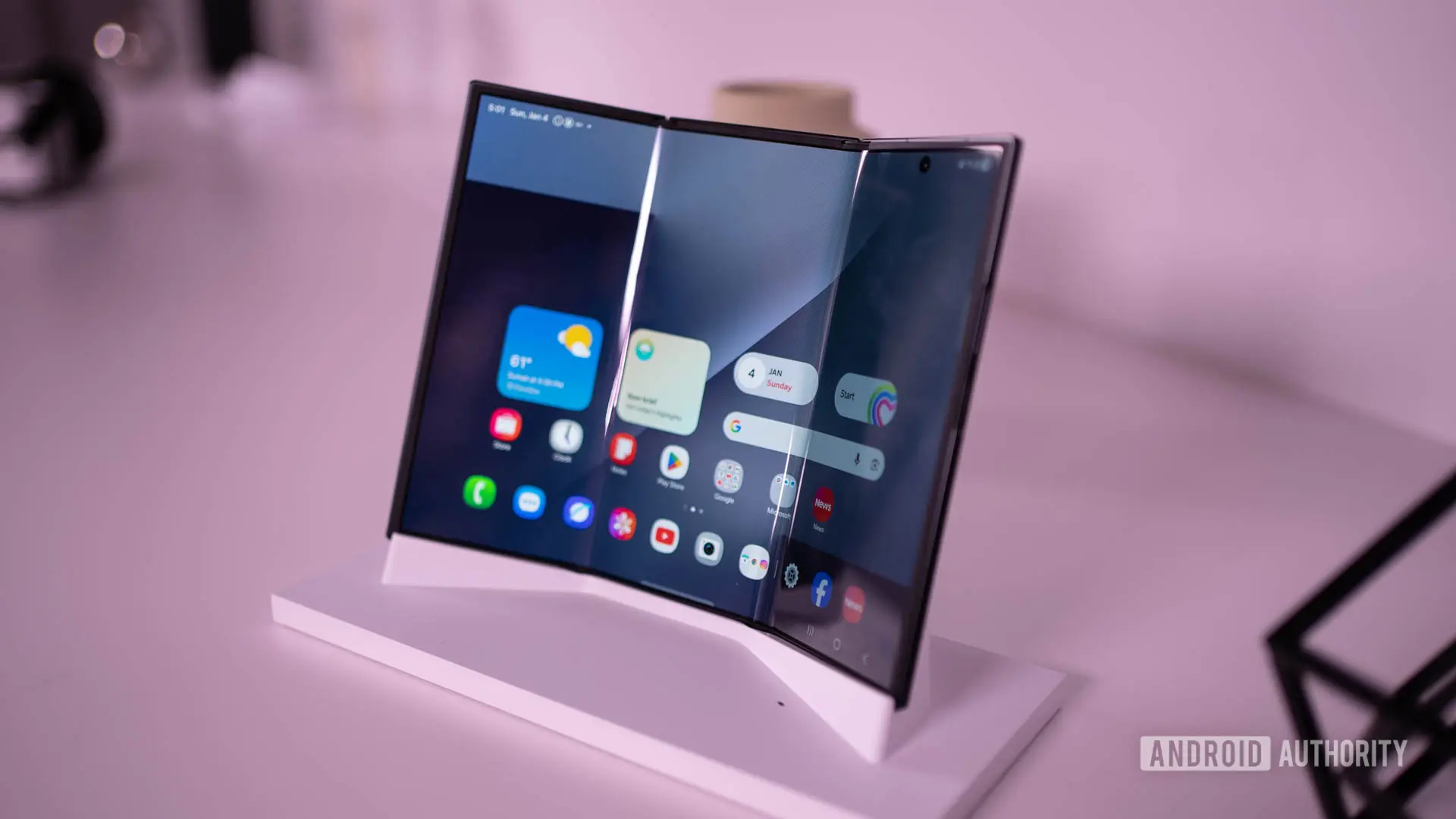
Just days after Samsung unveiled the Galaxy Z Fold 8, Galaxy Z Fold 8 Ultra, and Galaxy Z Flip 8, reports are already emerging about what could be the company's most ambitious flagship smartphone plans yet. According to a Korean publication, Samsung is preparing to launch a second-generation Galaxy Z TriFold next year, potentially expanding its annual flagship lineup to eight devices.
The Galaxy Z TriFold 2: From Limited Edition to Mainstream
The original Galaxy Z TriFold, released earlier this year, was a limited-run device that tested the market's appetite for a triple-folding phone. Now, Samsung is reportedly developing the Galaxy Z TriFold 2 as a regular member of its foldable lineup. The publication claims that early development has begun and that component partners have already been briefed on the project. Unlike its predecessor, which was produced in small numbers, the TriFold 2 will likely be manufactured in larger quantities, indicating Samsung's confidence in the form factor.
This shift aligns with Samsung's broader strategy to dominate the foldable market. The company has been iterating on foldable designs since the original Galaxy Fold in 2019, and the TriFold concept represents the next frontier. By making it a standard offering, Samsung could attract early adopters and power users who crave larger screens without sacrificing portability. The TriFold 2 is expected to debut alongside the Galaxy Z Fold 9 series around July next year, rather than as a separate special edition.
A Four-Foldable Strategy for 2026
According to the report, Samsung plans to release four foldable phones in 2026: the Galaxy Z Flip 9, Galaxy Z Fold 9, Galaxy Z Fold 9 Ultra, and the Galaxy Z TriFold 2. This contradicts earlier rumors that the Galaxy Z Flip series might end with the Z Flip 8. Instead, the Flip line continues, offering a more affordable and compact entry point into the foldable world. The Fold 9 and Fold 9 Ultra will likely target professionals and enthusiasts, while the TriFold 2 will push the envelope with its triple-hinge design that opens into a tablet-sized display.
The decision to maintain four foldables underscores Samsung's commitment to the category, which has seen growing competition from Chinese OEMs like Huawei, Xiaomi, and Oppo. Samsung currently leads the global foldable market, but rivals are catching up with innovative designs and aggressive pricing. By expanding its foldable portfolio, Samsung aims to cover every price point and use case, from the pocket-friendly Flip to the productivity-focused TriFold.
The '4+4' Strategy: Merging Slab and Foldable Lineups
The foldable expansion coincides with a major shakeup on Samsung's traditional slab phone side. The Galaxy S27 family, expected in early 2027, will reportedly consist of four models: the Galaxy S27, Galaxy S27 Plus, Galaxy S27 Pro, and Galaxy S27 Ultra. This would give Samsung a '4+4' flagship strategy, with four premium Galaxy S phones in the first half of the year, followed by four foldables in the second half. The Galaxy S27 Pro, a new addition, is likely positioned between the Plus and Ultra models, offering advanced camera features or a stylus support without the Ultra's price tag.
This restructuring would represent Samsung's most diverse flagship lineup ever. Historically, Samsung has released three main S-series models (base, Plus, Ultra), but adding a Pro variant would further segment the market. The Pro model could target content creators or business users who need more than the base model but find the Ultra too large or expensive. Combined with the foldables, Samsung would offer eight distinct flagship devices annually, giving consumers unprecedented choice.
Historical Context: Samsung's Flagship Evolution
Samsung's flagship strategy has evolved significantly over the past decade. The Galaxy S series began with a single model in 2010, expanded to two (S and S Plus) in 2012, and added the Note series for phablet enthusiasts. After the Note's demise in 2020, the Ultra model filled that role. Meanwhile, foldables started with the Galaxy Fold in 2019 and have since split into the Fold and Flip lines. The introduction of the Z Fold Ultra and TriFold shows Samsung is willing to experiment with multiple form factors in the same generation.
The move to eight flagships also reflects changing consumer preferences. In mature markets, users upgrade less frequently, so OEMs need to offer compelling reasons to buy. More models with different features—like the TriFold's expansive screen or the S27 Pro's camera prowess—can appeal to niche segments. Additionally, foldables still command a premium, helping Samsung maintain high average selling prices even as the mid-range market grows.
Challenges and Competition
However, expanding the lineup comes with risks. Carrying eight flagship models requires significant R&D investment, supply chain coordination, and marketing expenditure. Samsung must ensure that each device has a distinct identity and does not cannibalize sales from others. For example, the Galaxy Z Fold 9 Ultra and the TriFold 2 could overlap in functionality if both target productivity users. Pricing will be critical: the TriFold 2 is expected to be more expensive than the Fold, but if it offers a truly unique experience, users may pay a premium.
Competition is also heating up. Chinese brands are launching foldables with slimmer designs, faster charging, and lower prices. Huawei's Mate X series and Xiaomi's Mix Fold have gained traction in Asia. Samsung's advantage lies in its global reach, software optimization (One UI's foldable features), and after-sales service. But to maintain leadership, Samsung must continue to innovate—and the TriFold 2 is a clear signal of that intent.
What to Expect from the TriFold 2
Specific details about the TriFold 2 are scarce, but the report suggests it may retain the same display size specs as the current model. The current TriFold features a 7.6-inch main display when fully unfolded, with a 6.2-inch cover screen—essentially a Galaxy Z Fold that folds twice to become more compact. However, the second generation could refine the hinge mechanism, improve durability, and reduce weight. Given that the first TriFold was criticized for its thickness, Samsung will likely aim for a slimmer profile.
Software will also play a role. Samsung's One UI has evolved to handle multitasking on foldables, and the TriFold's triple-screen layout offers unique possibilities, such as running three apps simultaneously or using part of the screen for a virtual keyboard while the rest displays content. Samsung may partner with developers to optimize apps for the unusual aspect ratio.
Production volumes will be a key indicator of Samsung's commitment. If the TriFold 2 is produced in hundreds of thousands of units rather than limited tens of thousands, it suggests Samsung sees it as a mainstream product. Early reports indicate enough confidence to share details with component partners, which is a positive sign.
The Implications for the Market
If Samsung's '4+4' strategy materializes, it could reshape the premium smartphone landscape. Other OEMs may follow suit, leading to a fragmented but highly innovative market. For consumers, the benefit is clear: more choices, each tailored to different needs. The Galaxy S27 series will continue to appeal to traditional smartphone users, while foldables will attract those seeking the future of mobile computing.
Of course, these plans are still over a year away, and Samsung could change its roadmap before launch. But the early development of the TriFold 2 and the rumored restructuring of the S series indicate that Samsung is thinking long-term. The company is betting that the blend of slab and foldable flagships will capture the widest possible audience, from casual users to early adopters.
As the industry watches, one thing is clear: Samsung is not content to rest on its laurels. The next two years will see the company push boundaries, and the Galaxy Z TriFold 2—along with the Galaxy S27 Pro—will be at the forefront of that push.
Source: Android Authority News