

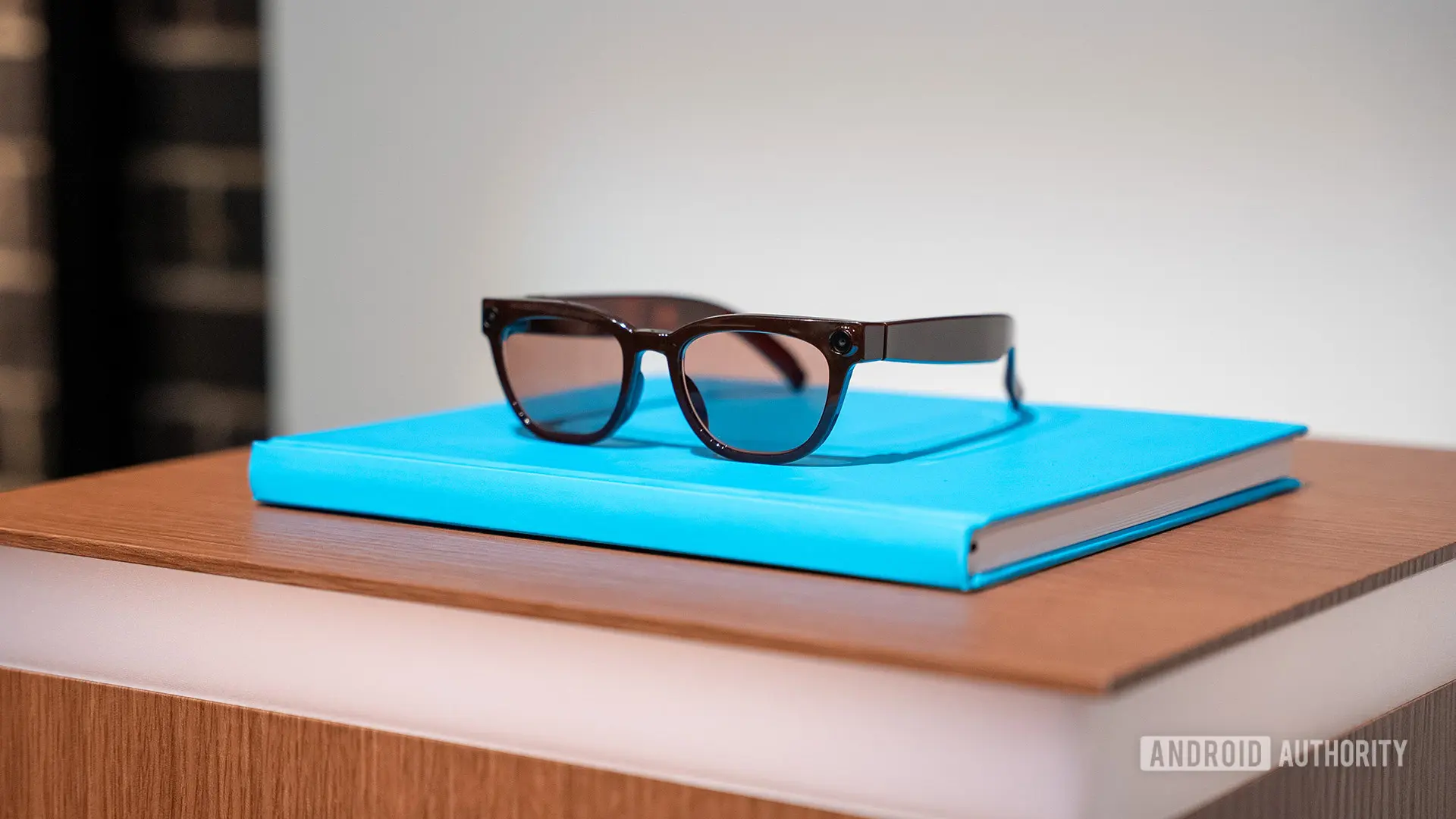
Apple has been developing smart glasses for years, and recent reports indicate that the tech giant is leveraging an extended timeline to prioritize privacy features that could distinguish its product from rivals like Meta and Samsung. The company's smart glasses are now expected to launch in June 2027 at WWDC, with a consumer release by the end of that year. This delay, while disappointing for early adopters, underscores Apple's commitment to addressing one of the most pressing issues in wearable technology: user privacy.
The Privacy Challenge in Smart Glasses
Camera-equipped smart glasses have raised significant privacy concerns since their inception. Meta's Ray-Ban glasses, for example, have faced criticism over their recording capabilities and the potential for covert surveillance. The presence of a recording LED does not fully alleviate fears, as users can often obscure it. Apple aims to go beyond these basic protections by implementing more robust policies and technical measures.
According to a Bloomberg report, Apple's engineering and marketing teams are collaborating to develop features that ensure the privacy of both the wearer and those around them. Potential measures include a mandatory recording LED that automatically disables the camera if covered, on-device processing to avoid cloud-based analysis of sensitive data, and an explicit ban on facial recognition technology. These steps would position Apple's glasses as a more trustworthy alternative to Meta's offerings, which have been embroiled in controversies over data usage.
Apple's Historical Commitment to Privacy
For over a decade, Apple has marketed privacy as a fundamental human right and a core differentiator. Features like App Tracking Transparency, on-device Siri processing, and end-to-end encryption have built consumer trust. Translating this philosophy to smart glasses is not trivial, as the wearable form factor introduces unique risks. A smart glass camera is always pointed outward, potentially capturing strangers without consent. Apple's solution must be both technically sound and culturally acceptable, a challenge that likely contributed to the product's delayed launch.
Internally, Apple executives have debated various approaches. One prototype reportedly lacked a camera altogether, relying solely on Siri integration, calls, notifications, and music playback via built-in speakers—much like earlier smart glasses from companies like Bose or Amazon. Another concept involved a camera that would only feed visual information to Siri for contextual assistance, without allowing photo or video capture. These options, while limiting functionality, would eliminate the most invasive aspects of smart glasses.
Competitive Landscape: Meta and Samsung
Meta currently leads the smart glasses market with its Ray-Ban Stories and updated versions, but it has faced ongoing scrutiny over data collection. The company's use of AI assistant features, such as continuous environmental analysis through 'Super Sensing' mode, has drawn regulatory attention. Samsung, in partnership with Warby Parker and Gentle Monster, recently unveiled Android XR glasses at its Unpacked event. These will include similar privacy indicators, but like Meta, Samsung lacks Apple's established privacy bona fides. Android XR, as an open platform, may also struggle to enforce consistent privacy practices across hardware partners.
Apple's advantage lies not only in its technology but also in its integrated ecosystem. The smart glasses will likely work seamlessly with iPhones, leveraging the same privacy architecture that already governs iOS apps and services. This could allow features like granular camera permissions, real-time alerts when the glasses are recording, and automatic blurring of faces in captured data unless explicit consent is given.
Technical Challenges and Innovations
Developing a camera that respects privacy while still enabling augmented reality features is a complex engineering task. Apple is reportedly favoring on-device processing over cloud-based AI, which would reduce latency and keep personal data off remote servers. This approach aligns with the company's broader trend toward edge computing, as seen in the A-series and M-series chips. However, it also increases power consumption and thermal demands in a compact wearable form factor.
The company has also explored advanced privacy indicators that are physically tamper-proof. For example, a hardware-based shutter that physically closes the camera lens when not in use could be more effective than software lights. Apple's deep experience with manufacturing intricate mechanical components—such as the iPhone's TrueDepth camera system—suggests such a solution is plausible.
Market Timing and Consumer Sentiment
Delaying the launch until 2027 gives Apple time to observe how competitors handle privacy backlash and to refine its own messaging. Consumer awareness of data privacy is growing, with surveys showing that a majority of users are unwilling to trade privacy for convenience. A 2024 Pew Research study found that 72% of Americans feel they have little control over how their data is collected by companies. Smart glasses, being always-on devices worn in public, amplify these anxieties.
By prioritizing privacy, Apple may capture a segment of the market that is currently hesitant to adopt camera-equipped wearables. This strategy mirrors the company's approach to the health and fitness wearable market, where it emphasized data security and user consent to differentiate from competitors like Fitbit and Garmin.
Potential Features and User Experience
Beyond privacy, Apple's smart glasses are expected to offer core functionalities such as Siri integration, hands-free calling, notification management, and spatial audio. The glasses may also support light augmented reality interactions, such as displaying directions or calendar alerts in the field of view, though a full AR headset like the Vision Pro remains a separate product line. The privacy-conscious design could include a physical switch to disable all sensors, similar to the iPhone's dedicated privacy button for the camera and microphone.
Apple is also examining ways to communicate privacy protections to the public effectively. Marketing campaigns highlighting the absence of facial recognition, limited recording capabilities, and transparent data handling could resonate with privacy advocates and everyday consumers alike. The company may even partner with privacy advocacy groups or independent auditors to validate its claims, further building trust.
In summary, Apple's deliberate approach to smart glasses development positions it to potentially outperform Meta and Samsung in the critical area of privacy. By addressing consumer fears head-on with innovative features and robust policies, Apple can leverage its strongest brand asset—trust—to gain a foothold in a market that is still in its infancy. The delay until 2027 is not a setback but a strategic investment in a product that could redefine what smart glasses mean for personal and societal privacy.
Source: Android Authority News