

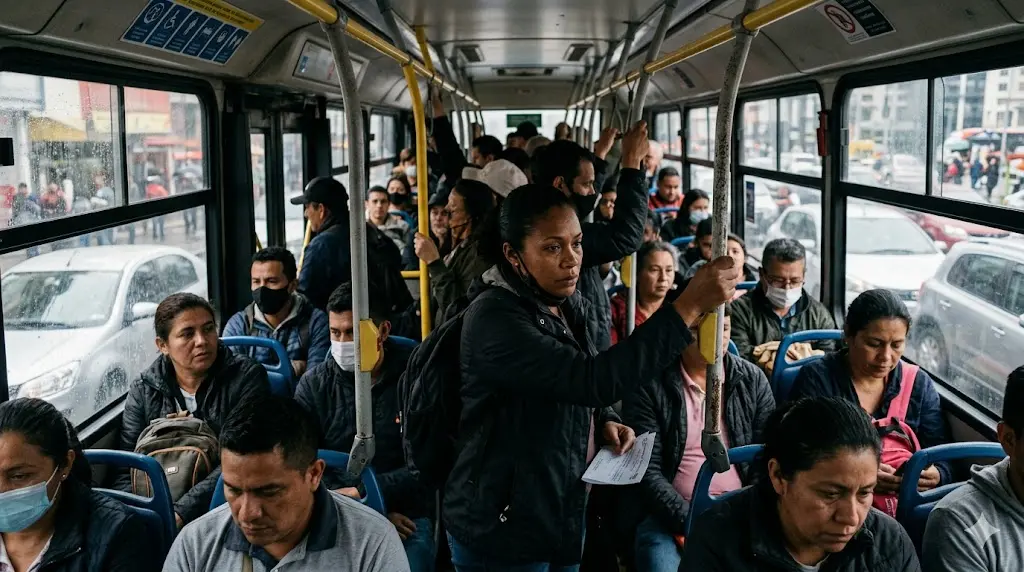
Public transportation is becoming a major healthcare issue because millions of people depend on buses, trains, and shared transit to reach hospitals, clinics, pharmacies, and rehabilitation centers. When transportation is unreliable, delayed, overcrowded, or inaccessible, people often miss appointments, postpone treatment, and experience worse health outcomes.
Public transportation affects healthcare more than most people realize. If patients can't get to care safely and on time, chronic diseases worsen, emergency room visits increase, and healthcare costs rise. In 2026, transportation is widely recognized as one of the most overlooked drivers of global public health.
Why public transportation is a growing concern in healthcare worldwide has become an urgent question for health systems, policymakers, and families alike. Access to medical care doesn't begin when a doctor walks into the room. It starts when a patient leaves home and tries to get to a clinic, hospital, or pharmacy.
I've seen many discussions about healthcare focus entirely on insurance, technology, and staffing. Those are important, of course. But here's what most people overlook: none of that matters if a patient simply can't get there.
Across cities and rural regions, public transportation and health outcomes are increasingly linked. Whether it's an older adult needing dialysis, a pregnant woman attending prenatal visits, or a child requiring vaccinations, dependable transit can literally shape life expectancy.
What Is Public Transportation in Healthcare?
Public Transportation in Healthcare: The role that buses, trains, subways, paratransit, and shared mobility services play in helping patients and healthcare workers access medical services.
This concept sits within the broader category of healthcare access and transportation barriers. It recognizes that mobility is not just an urban planning issue. It's a medical necessity.
Think about it this way. A hospital may offer world-class treatment, but if reaching that hospital takes three bus transfers and two hours, many patients will delay care until their condition becomes severe.
That's not a transportation problem alone. It's a health problem.
Why Public Transportation Matters in 2026
In 2026, healthcare systems around the world are treating transportation as a social determinant of health. That means where people live, how they travel, and whether transit is available directly influence their physical and mental well-being.
Several global trends are driving this concern.
Aging Populations
Older adults are using healthcare services more frequently while often losing the ability to drive. Public transit becomes their lifeline for routine care, specialist visits, and prescription pickups.
Urban Congestion
Many large cities face severe traffic congestion and overcrowded transit systems. Long travel times can discourage patients from attending non-emergency appointments.
Rural Isolation
In rural areas, limited bus routes and long distances leave many residents with few options for reaching healthcare facilities.
Climate and Sustainability Goals
Governments are encouraging mass transit to reduce emissions, but healthcare systems must ensure these networks are safe and accessible for vulnerable populations.
Infectious Disease Concerns
Crowded transportation raises concerns about disease spread, especially for people with weakened immune systems.
Expert Tip: If healthcare planners want to improve outcomes quickly, one of the fastest wins is often transportation support rather than building entirely new facilities.
How Public Transportation Improves Healthcare Access Step by Step
Understanding why public transportation is a growing concern in healthcare worldwide becomes easier when you look at the patient journey.
1. Patients Schedule Medical Appointments
People book consultations, screenings, surgeries, and follow-up visits.
2. They Need a Reliable Way to Travel
Without affordable and predictable transportation, attending those appointments becomes uncertain.
3. Timely Visits Lead to Early Detection
When patients arrive consistently, providers can diagnose conditions sooner and begin treatment before complications develop.
4. Treatment Plans Stay on Track
Chronic conditions such as diabetes, heart disease, and kidney disorders require regular monitoring.
5. Health Outcomes Improve
Patients who can access care routinely tend to have fewer emergencies and lower hospitalization rates.
6. Healthcare Costs Decrease
Preventive care is almost always less expensive than crisis intervention.
This sounds obvious, but in practice it's surprisingly easy to underestimate how a missed bus can become a missed diagnosis.
A Real-World Example of Transportation and Health
Imagine a 68-year-old woman living on the outskirts of a large city. She needs dialysis three times a week. Her hospital is 25 kilometers away.
When buses run on schedule, she arrives on time and maintains stable health. But when routes are reduced or overcrowded, she misses sessions. Within weeks, her condition worsens and she requires emergency hospitalization.
The medical team may focus on kidney disease, but the root issue is transportation.
I've seen examples like this discussed repeatedly in public health circles, and the pattern is remarkably consistent.
Why Public Transportation Affects Healthcare Workers Too
Patients aren't the only ones impacted.
Doctors, nurses, technicians, and support staff also depend on transportation systems. When transit disruptions occur, hospitals can face staffing shortages, delayed procedures, and increased workplace stress.
This is especially significant in major metropolitan areas where healthcare workers commute long distances.
What most people miss is that transportation reliability supports both sides of the healthcare equation: patients receiving care and professionals delivering it.
The Unexpected Mental Health Connection
Here's a counterintuitive point: transportation problems often harm mental health before they harm physical health.
Constant worries about reaching appointments can trigger anxiety, frustration, and feelings of helplessness. Older adults and people with disabilities may become socially isolated when transit options are limited.
That isolation can contribute to depression and cognitive decline.
So even when a patient eventually receives treatment, the transportation burden itself may already have affected overall wellness.
Common Mistake: Assuming Healthcare Access Means a Nearby Hospital
A hospital located within ten kilometers may appear accessible on a map.
In reality, accessibility depends on route frequency, affordability, wheelchair accommodations, safety, and travel time.
A nearby clinic without dependable transit may be less useful than a distant hospital connected by efficient public transportation.
This distinction matters enormously in healthcare planning.
How Transportation Barriers Increase Healthcare Costs
Transportation issues create a domino effect.
Patients miss preventive visits. Diseases progress. Emergency admissions increase. Hospital stays become longer. Insurance systems and governments absorb higher costs.
For example, a missed blood pressure check might lead to uncontrolled hypertension, which can eventually cause stroke or heart failure.
One inexpensive bus ride could have prevented a very costly medical crisis.
That's not an exaggeration. It's a practical reality.
Expert Tips: What Actually Works
In my experience, the best healthcare solutions are often less glamorous than people expect. Everyone talks about artificial intelligence and advanced diagnostics, but sometimes the most effective investment is a dependable bus route.
Healthcare organizations that improve transportation access often use several proven strategies:
Providing free or discounted transit passes
Coordinating appointment times with local transit schedules
Offering non-emergency shuttle services
Expanding telehealth when travel is difficult
Partnering with community transportation providers
Expert Tip: If your organization wants to reduce no-show rates, start by asking patients how they travel to appointments. The answers can reveal problems that medical records never show.
Global Research on Public Transportation and Health Outcomes
Global health research consistently links transportation access with improved attendance, better chronic disease management, and lower emergency utilization.
In low-income countries, transportation costs can consume a significant share of household income, causing families to delay treatment. In high-income nations, the challenge is often reliability and accessibility rather than absolute availability.
Despite economic differences, the pattern is the same: when transportation improves, health outcomes usually improve too.
Public Transportation and Vulnerable Populations
Certain groups are disproportionately affected by transportation barriers.
Older Adults
They may no longer drive and often require frequent medical visits.
People With Disabilities
Accessible vehicles and stations are essential for independent healthcare access.
Low-Income Families
Transit costs can compete with spending on food, rent, and medication.
Rural Residents
Limited routes and long travel distances increase delays.
Children and Caregivers
Parents without reliable transportation may postpone pediatric appointments and vaccinations.
The Future of Healthcare Transportation
By 2026 and beyond, healthcare and transportation systems are becoming more interconnected.
We are likely to see:
Smarter scheduling based on transit data
Expanded on-demand medical transportation
Better integration between hospitals and city planners
Increased funding for accessible transit
Greater use of digital tools to coordinate care journeys
My hot take? Healthcare systems that ignore transportation will continue spending more while achieving less.
People Most Asked About Why Public Transportation Is a Growing Concern in Healthcare Worldwide
How does public transportation affect health outcomes?
Reliable transit helps patients attend appointments, receive preventive care, and manage chronic diseases consistently. Poor transportation often leads to missed visits and worsening conditions.
Why is transportation considered a social determinant of health?
It influences whether people can access essential services such as doctors, pharmacies, and hospitals. Without transportation, healthcare availability becomes largely theoretical.
Which patients are most affected by transportation barriers?
Older adults, low-income households, rural residents, and people with disabilities face the greatest challenges.
Can better transit reduce healthcare costs?
Yes. Improved access to preventive care reduces emergency visits, hospital admissions, and complications from untreated conditions.
What are healthcare systems doing in 2026?
Many organizations are offering transit assistance, partnering with local transportation providers, and integrating telehealth into care strategies.
Is public transportation safer for patients now?
Many systems have improved sanitation and accessibility, but safety and crowding remain concerns for vulnerable populations.
How does transportation affect mental health?
Stress, uncertainty, and social isolation caused by transit difficulties can contribute to anxiety and depression.
Final Thoughts
Why public transportation is a growing concern in healthcare worldwide comes down to one simple truth: healthcare access depends on mobility. Hospitals, doctors, and medicines only help when people can reach them.
As global populations age and healthcare needs become more complex, public transportation and health outcomes will remain tightly connected. In most cases, improving transportation may be one of the most practical and cost-effective ways to improve public health.
Businesses and agencies looking to boost brand visibility and organic traffic can combine press release distribution services with SEO services to secure high authority backlinks, stronger media coverage, and improved SEO ranking. This trusted approach offers instant publishing across leading news distribution platforms while supporting long-term digital growth for startups, bloggers, and SEO professionals.