

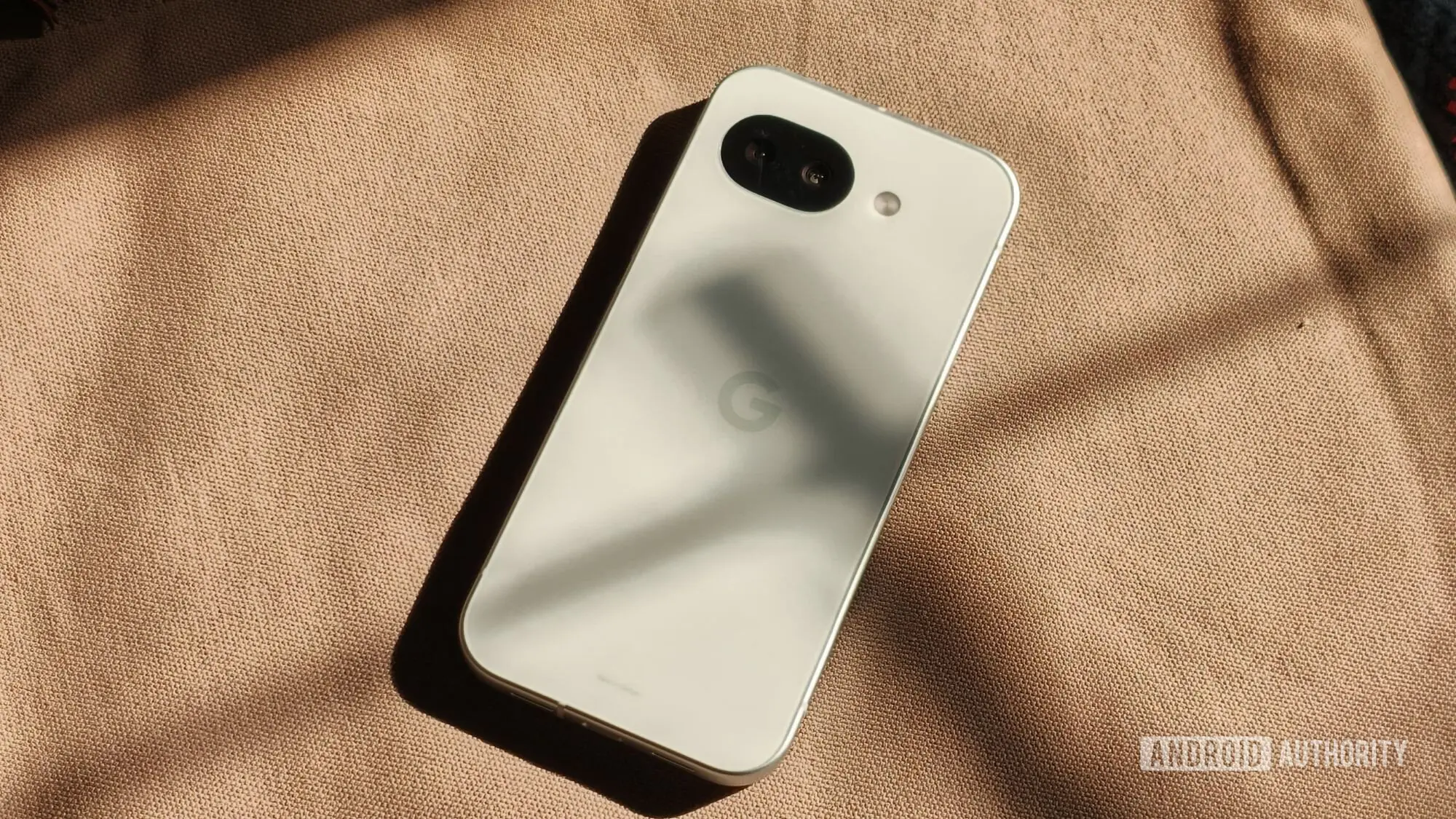
The Google Pixel series has long been celebrated as Android's flagship line, designed by the very company that develops the platform. In theory, pairing Google's software expertise with custom-tailored hardware should produce an unparalleled user experience. Yet, as many users have discovered, reality does not always match the ideal.
Over the past few years, persistent complaints about battery life across multiple Pixel generations, underwhelming performance from the Tensor chips, and a string of bug-ridden software updates have begun to erode the goodwill that Google once enjoyed. While anecdotal evidence of this shift has been abundant, a recent poll conducted among Android Authority readers provides concrete data showing just how precarious Pixel loyalty has become.
The Poll Results: A Nearly Even Split
The survey gathered over 2,700 responses, and the breakdown is striking. Despite the numerous problems that Pixel users have faced, slightly more than half of the respondents—51.6%—still profess their love for the Pixel line. However, that means 48.4% are either on the fence or have already fallen out of love. Among the detractors, 44% of respondents explicitly stated that they "can't bear the bugs" introduced by Google's unreliable updates. This near-even split suggests that Google's smartphone division is walking a tightrope.
Comments from the poll reveal the depth of frustration. One reader, using the handle retr0embrty0, wrote: "The very first Google smartphones were fabulous, then they decided to go upmarket & priced themselves out of my pocket. So I switched to one of the many OnePlus sub-brands, mostly for the larger battery & the fast charging, & I'm still with them, although the latest Android update on the OnePlus 15 Pro has introduced a number of random bugs, which I've never had before."
Another commenter, fogestjv, shared a similar sentiment: "I got the Pixel 10 when it came out and sadly it doesn't feel much better than my 5-year-old Samsung Galaxy phone I had. In fact, the battery life feels almost the same despite my old phone having probably 70-80% of the capacity it used to. The phone feels like it's no faster either and the camera just feels marginally better, but it doesn't even have a real night mode and just uses AI. Overall this phone barely feels like an upgrade."
These voices reflect a growing disillusionment among users who once considered Pixels the gold standard of Android. Yet, not everyone is ready to abandon ship. Reader howkinsdeclan offered a contrasting view: "I personally haven't actually noticed any issues with my phone besides ever so slight worse battery life but now I think of it I do end up with a lot of software bugs taking place on my phone just… Nothing like the things mentioned here." This comment illustrates the variability of user experiences—some are deeply affected while others see only minor annoyances.
Root Causes of the Discontent
To understand why Pixel loyalty is fraying, we need to examine the core issues that have plagued the series over the last few years. Battery life has been a recurring headache. From the Pixel 6 generation onward, users have reported inconsistent battery drain, overheating during charging, and reduced longevity compared to competitors. While Google has attempted to address these issues through software updates, many feel the fixes have been insufficient.
The Tensor chip, Google's custom silicon designed to compete with Qualcomm's Snapdragon and Apple's A-series, has also drawn criticism. Though Tensor excels in AI and machine learning tasks, its raw CPU and GPU performance often lags behind rivals. Gamers and power users frequently note that Tensor-powered phones struggle with sustained performance, leading to stuttering and frame drops in demanding applications. This gap becomes more apparent with each new Pixel generation, as competing chips continue to advance at a faster pace.
Software stability, ironically, has become another sore spot. Google's Pixel line is supposed to showcase the best of Android, but recent updates have introduced as many bugs as they have features. The Android 14 rollout, for instance, brought reports of random reboots, camera crashes, and connectivity issues on several Pixel models. Feature drops, once a highlight of the Pixel experience, now often come with a sense of dread as users worry about what might break.
Beyond performance and reliability, pricing has also alienated some long-time fans. The Pixel 8 Pro, for example, now costs well over $900 in the US, putting it in direct competition with premium offerings from Samsung and Apple. In the past, Google positioned Pixels as more affordable alternatives with great cameras. As prices have climbed, the value proposition has weakened, especially when rivals offer better battery life, faster charging, and more consistent performance for similar money.
The Competition Is Fierce
The smartphone market has never been more competitive, and Google's missteps come at a time when rivals are producing excellent devices. Samsung's Galaxy S24 series, with its refined One UI, long battery life, and strong performance, continues to dominate the Android flagship space. OnePlus has carved out a niche with its fast charging and solid build quality. Even Chinese brands like Xiaomi and Oppo offer compelling alternatives that often surpass Google's hardware while undercutting on price.
Meanwhile, Apple remains the 800-pound gorilla. The iPhone's seamless ecosystem, powerful chips, and reliable software updates set a high bar that Pixel struggles to match. Users who defect to the iPhone often cite battery life and app optimization as key reasons. For Android loyalists, the Pixel was once the obvious choice, but now it's just one of many options.
What Google Must Do to Turn the Tide
If Google wants to keep its remaining loyalists and win back those who have strayed, it needs to address several fundamental issues. First and foremost, hardware quality must improve. Future Pixel phones need larger batteries, more efficient display panels, and better thermal management. The Tensor chip must deliver competitive performance across the board, not just in AI tasks, to satisfy the demands of all users.
Second, software updates must be subjected to more rigorous testing. Google could benefit from a longer beta period and more transparent communication about known issues. The company has already taken steps in this direction by expanding the Android Beta program, but users want to see fewer regressions in stable builds.
Third, pricing strategy needs reconsideration. While it's understandable that Google wants to compete in the premium segment, the Pixel line might be better served by offering a strong midrange option that undercuts rivals while maintaining a high-end camera and software experience. The Pixel A-series has been successful in this regard, but Google has been slow to refresh it with the latest features.
Finally, Google should invest in better post-launch support. Extended software updates (like the promised 7 years of OS upgrades) are a step in the right direction, but they mean little if the phone's hardware can't keep up or if each update introduces new problems. Providing timely bug fixes and performance improvements for older models would help rebuild trust.
The poll's near-even split is a clear warning. Pixel lovers still form a majority, but the dissenters are large and vocal. If Google continues down its current path, the thread that binds these loyal fans could snap. The next few Pixel generations will be critical in determining whether the series can reclaim its place as the quintessential Android phone or if it will fade into obscurity, remembered only for what it once promised.
Source: Android Authority News