

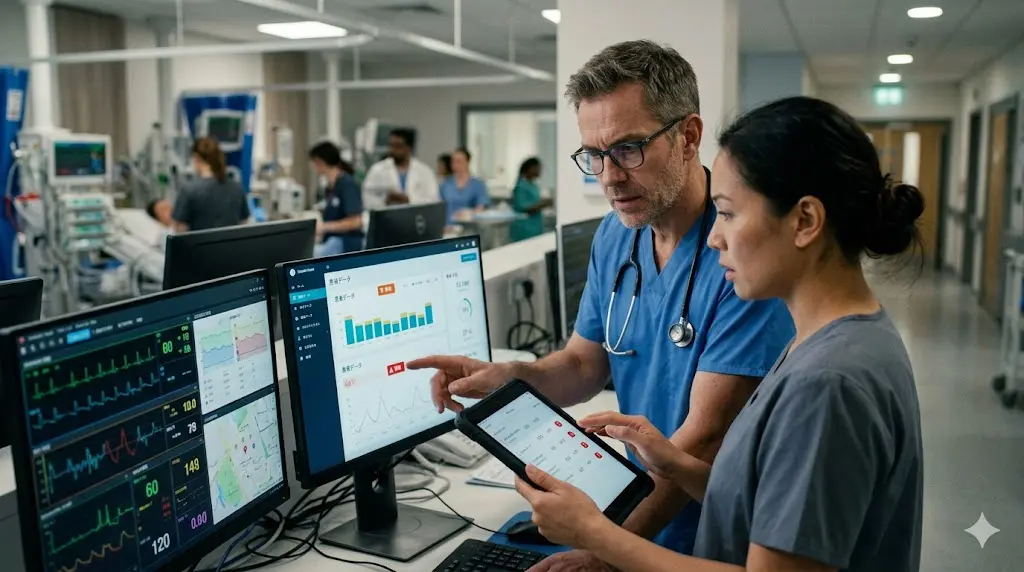
Wearable technology is changing healthcare faster than most people expected, but it’s also raising serious concerns. Devices that track heart rate, sleep, blood sugar, and activity levels can improve health monitoring, yet they also introduce questions about privacy, accuracy, mental stress, and unequal access to care.
Wearable technology is a growing concern in healthcare worldwide because it collects sensitive health data, may produce inaccurate readings, can increase anxiety, and often outpaces medical regulation. While wearable health devices offer enormous benefits, they also create new ethical, technical, and social challenges for patients and healthcare providers.
Why wearable technology is a growing concern in healthcare worldwide has become one of the most discussed questions in modern medicine. From smartwatches and fitness bands to continuous glucose monitors and heart sensors, wearable health devices are now part of everyday life for millions of people.
At first glance, this seems like a huge win. People can monitor their health from home, doctors can detect problems earlier, and patients feel more involved in their own care.
But here's the thing: more data doesn’t always mean better health.
In my experience, technology often solves one problem while quietly creating three new ones. Wearable devices are no exception. They offer convenience and early detection, but they also raise concerns about privacy, false alarms, healthcare inequality, and the emotional burden of constant monitoring.
What Is Wearable Technology in Healthcare?
Wearable Technology: Electronic devices worn on the body that collect, analyze, and transmit health-related information in real time.
Examples include:
Smartwatches that measure heart rate and oxygen levels
Fitness trackers that count steps and monitor sleep
Continuous glucose monitors for diabetes
Portable ECG devices for heart rhythm detection
Smart patches that monitor temperature and hydration
These wearable health devices are designed to provide continuous health monitoring, often sending data directly to mobile apps or healthcare professionals.
What most people overlook is that these devices are no longer just consumer gadgets. They are becoming part of clinical decision-making.
That changes everything.
Why Wearable Technology Matters in 2026
By 2026, wearable technology has become deeply integrated into preventive healthcare, chronic disease management, and telemedicine.
Hospitals, insurance companies, and public health organizations increasingly rely on patient-generated data to identify risks before symptoms become severe.
This is incredibly useful for conditions such as:
Heart disease
Diabetes
Sleep disorders
Hypertension
Respiratory illness
A person with an irregular heartbeat, for example, might receive an alert days before they would normally seek care.
That sounds ideal. And sometimes it is.
Yet wearable technology concerns in healthcare are growing because healthcare systems are still trying to catch up with the speed of innovation.
Expert Tip
If you're using a wearable device, treat it as an early warning system rather than a diagnostic tool. Your doctor should always interpret concerning results within the broader medical context.
Why Wearable Technology Is a Growing Concern in Healthcare Worldwide
1. Privacy and Data Security Risks
Wearable devices collect some of the most sensitive information a person can generate.
This includes:
Heart rhythms
Blood glucose trends
Sleep cycles
Stress levels
Location data
Daily habits
If this data is shared improperly, hacked, or sold to third parties, the consequences can be serious.
Patients may not fully understand who owns their health information or how it is being used.
That uncertainty makes many healthcare professionals uneasy.
2. Accuracy and Reliability Issues
Not all wearable health devices are equally precise.
A smartwatch may suggest an abnormal heart rhythm when none exists. A sleep tracker may misinterpret restlessness as poor sleep quality.
I've seen people become deeply worried over readings that later turned out to be harmless.
False positives can lead to unnecessary testing, while false negatives may create false reassurance.
Either way, trust becomes complicated.
3. Anxiety and Obsessive Monitoring
This is the counterintuitive part.
Tools meant to reduce health risks can sometimes increase stress.
People may check their numbers dozens of times per day, interpreting every fluctuation as a warning sign.
A healthy person who sees minor changes in heart rate or oxygen levels might assume something is wrong.
In some cases, wearable devices create a cycle of constant vigilance rather than peace of mind.
4. Unequal Access to Technology
Wearable health devices are often expensive.
Many require smartphones, subscriptions, and reliable internet access.
That means wealthier populations benefit most, while underserved communities may be left behind.
This digital divide can widen existing healthcare disparities.
5. Regulatory Challenges
Technology evolves faster than government oversight.
Some devices are rigorously tested. Others reach consumers with limited clinical validation.
Healthcare providers must decide whether to trust data from products that may not meet consistent standards.
That's a tough position to be in.
6. Data Overload for Doctors
Doctors are already dealing with large amounts of clinical information.
Adding constant streams of wearable data can create an overwhelming volume of alerts and trends.
Not every data point is medically meaningful.
Without effective filtering systems, clinicians may struggle to separate noise from truly important signals.
How to Use Wearable Technology Safely in Healthcare
If you want the benefits of wearable technology without unnecessary stress, follow this practical process.
1. Choose Clinically Validated Devices
Look for devices that have undergone medical testing and are widely used in healthcare settings.
2. Understand What the Device Can and Cannot Do
Wearables provide estimates and trends, not definitive diagnoses.
3. Protect Your Personal Data
Review privacy settings and limit unnecessary sharing.
4. Discuss Results with a Healthcare Professional
Never make major medical decisions based solely on device alerts.
5. Avoid Overchecking
Set specific times to review data rather than monitoring every fluctuation.
6. Focus on Long-Term Trends
One unusual reading rarely tells the whole story.
Expert Tip
The most valuable wearable insights usually come from patterns over weeks or months, not from isolated numbers that happen to look unusual on a stressful day.
Common Mistake: Assuming More Data Automatically Means Better Health
Many people believe that constant measurement leads to better outcomes.
Not necessarily.
More data can reveal useful trends, but it can also generate confusion, unnecessary worry, and excessive testing.
Sometimes less monitoring leads to clearer, more meaningful decisions.
That's a hot take, but in many cases it's true.
Real-World Examples of Wearable Technology Concerns
Case Study 1: Early Detection That Saved a Life
A 58-year-old man received repeated smartwatch alerts suggesting an irregular heartbeat. He visited his doctor and was diagnosed with atrial fibrillation, a condition that significantly increases stroke risk.
Early detection allowed treatment before a major complication occurred.
Case Study 2: False Alarm and Emotional Stress
A healthy 32-year-old woman became convinced she had a serious heart problem after several abnormal readings from her wearable device.
After extensive testing, doctors found no medical issue.
What she experienced was weeks of anxiety, lost sleep, and substantial healthcare costs.
Both stories are realistic. Both happen every day.
Expert Tips: What Actually Works
In my opinion, wearable technology is most useful when it supports relationships between patients and healthcare professionals rather than replacing them.
The best outcomes happen when people use devices to notice trends, ask better questions, and stay engaged with their health.
What doesn't work is treating every alert as an emergency.
I've learned that numbers are helpful, but context matters more.
A heart rate reading means very little without understanding your age, medications, stress levels, and overall health.
Technology is smart. Human judgment is smarter.
People Most Asked About Why Wearable Technology Is a Growing Concern in Healthcare Worldwide
Are wearable devices accurate enough for medical use?
Some devices are highly reliable for trend monitoring, but few should be treated as standalone diagnostic tools. Doctors typically use them as supplemental information.
Can wearable technology improve healthcare outcomes?
Yes, especially for chronic disease management and early detection. When used correctly, wearable health devices can help patients and clinicians identify issues sooner.
Is wearable health data private?
Not always. Data privacy depends on the manufacturer’s policies, user settings, and applicable laws. Patients should review permissions carefully.
Do wearable devices increase health anxiety?
They can. Frequent monitoring may cause some users to overinterpret normal variations and become unnecessarily concerned.
Why are doctors cautious about wearable technology?
Clinicians worry about data quality, false alarms, and the time required to interpret large amounts of patient-generated information.
Will wearable technology replace doctors?
No. These devices provide useful data, but diagnosis and treatment still require professional medical judgment.
Are wearable devices accessible to everyone?
Unfortunately, no. Cost and technology requirements can limit access, particularly in lower-income communities.
What are wearable health devices?
They are body-worn electronic tools that collect health information such as heart rate, sleep patterns, and glucose levels.
Why is wearable technology important in healthcare?
It enables continuous health monitoring, early detection of problems, and improved management of chronic conditions.
What are the biggest risks of wearable technology?
Privacy breaches, inaccurate readings, anxiety, and unequal access are among the most significant concerns.
How should patients use wearable technology responsibly?
Use clinically validated devices, protect personal data, focus on long-term trends, and consult healthcare professionals when results seem abnormal.
Final Thoughts
Why wearable technology is a growing concern in healthcare worldwide comes down to one simple reality: powerful tools create powerful responsibilities.
Wearable health devices can detect disease earlier, support remote monitoring, and encourage healthier habits. At the same time, they raise difficult questions about privacy, accuracy, mental health, regulation, and fairness.
Let me be direct. Wearable technology isn't the problem.
Using it without proper understanding is.
When patients, healthcare providers, and policymakers work together, these devices can become one of the most valuable innovations in modern medicine rather than a source of confusion and concern.
Our network helps businesses and healthcare brands strengthen brand visibility and organic traffic through PR Wires and Web Info Matrix, combining press release distribution services with digital marketing services to earn high authority backlinks, media coverage, and improved SEO ranking through instant publishing across trusted platforms.