
Music streaming is no longer just about entertainment. It’s shaping diplomacy, cultural influence, political narratives, and even economic partnerships between countries. When millions of people across borders listen to the same artists, languages, and social messages, governments and global institutions start paying attention.
A decade ago, foreign policy was mostly discussed through trade deals, military alliances, and official speeches. Now? A viral playlist can sometimes do what formal diplomacy struggles to achieve: build emotional connection.
Music streaming influences international relations because it spreads culture instantly across borders, shapes public opinion, boosts national soft power, and creates economic ties between countries. Streaming platforms also affect censorship debates, digital trade policies, artist diplomacy, and global youth culture in ways governments can’t ignore.
What Is Music Streaming and Why Does It Matter?
Music streaming means listening to music online through internet-based platforms instead of downloading physical or digital files permanently.
That sounds simple enough, but the global effect is huge.
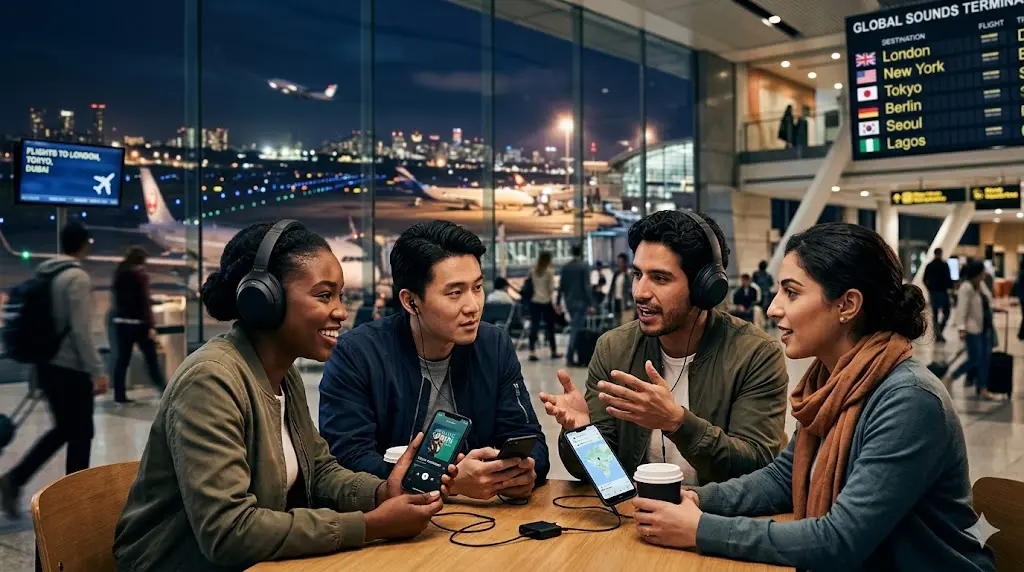
When someone in Brazil listens to Korean pop music, or a teenager in India discovers African Afrobeat artists through recommendations, culture starts moving faster than politics. That’s the real shift here. Music used to travel slowly through radio stations and television networks. Streaming changed the pace completely.
Today, songs cross borders in minutes. Trends spread overnight. Artists become international voices without needing traditional media approval.
And governments know it.
Many countries now see music streaming as part of their international image strategy. Some actively support musicians exporting culture abroad because it improves perception, tourism, and even business relationships. In my experience, this is one of the most overlooked parts of modern diplomacy. People still think international relations only happen inside government buildings. A lot of it now happens through headphones.
Streaming platforms have also become major players in cultural diplomacy. Algorithms decide what billions of people hear. That’s influence at scale.
Why Music Streaming Matters in 2026
By 2026, music streaming isn’t just a tech industry topic anymore. It’s tied directly to economics, national identity, and digital influence.
Here’s the thing: countries compete for attention just as much as they compete for trade or military power. Cultural visibility matters because people trust what feels familiar to them.
Music helps create that familiarity.
Take the rise of international pop movements over the last several years. Governments noticed that successful music exports improved tourism, fashion sales, language learning interest, and entertainment partnerships. One successful artist can indirectly generate billions in economic activity.
That’s not theory. It’s already happening.
What most people overlook is that streaming data itself has geopolitical value. Platforms can reveal which cultures are gaining influence globally. If a country’s artists suddenly dominate charts across continents, that country gains soft power whether politicians planned it or not.
Countries that invest early in creative industries usually gain stronger cultural influence later. Military strength creates fear. Culture creates attraction. Those are very different forms of international power.
Another reason music streaming matters in 2026 is censorship conflicts. Some governments want tighter control over digital platforms, while others support open cultural exchange. Music platforms often sit right in the middle of those debates.
One unexpected point? Streaming sometimes reduces political hostility between ordinary citizens even when governments disagree publicly. Shared music taste creates emotional familiarity. That might sound small, but public sentiment affects diplomacy more than many leaders admit.
How Music Streaming Influences International Relations Step by Step
1. It Expands Cultural Soft Power
Soft power means influencing others through attraction rather than force.
Music streaming gives countries direct access to global audiences without needing traditional broadcasting systems. A song can shape perceptions of an entire nation faster than a tourism campaign.
For example, when international listeners connect emotionally with artists from another country, they often become curious about the language, food, movies, and social values connected to that culture.
That emotional bridge matters.
A government can spend years trying to improve international reputation through official messaging. Meanwhile, one globally successful musician might accomplish more in six months.
2. It Creates Economic Partnerships
Streaming revenue crosses borders constantly. Record labels, advertisers, event organizers, and technology companies all participate in this ecosystem.
As music industries become more global, countries develop stronger commercial relationships tied to entertainment exports. This includes licensing agreements, touring infrastructure, copyright negotiations, and digital payment systems.
You’ll probably see more international trade discussions involving entertainment rights over the next few years. It’s already moving in that direction.
3. It Shapes Public Opinion
Songs carry political messages, social frustrations, and cultural values.
Streaming platforms make those messages globally accessible. Protest music, national identity themes, or social justice movements can spread internationally in days.
That changes how citizens in one country view events happening somewhere else.
I’ve noticed younger audiences often form opinions about foreign countries through artists before they ever read traditional news coverage. That’s a major shift from older generations.
4. It Influences Language and Identity
Music streaming increases exposure to foreign languages and slang. Fans often learn phrases, cultural references, and social behaviors through repeated listening.
That sounds harmless, but language familiarity affects international relationships over time. Shared cultural references reduce psychological distance between populations.
This is partly why some governments support music exports aggressively. They understand culture travels deeper than advertising.
5. It Creates Digital Diplomacy Opportunities
Artists now act as unofficial ambassadors.
A musician collaborating across borders can sometimes ease public tensions more effectively than political speeches. International concerts, cross-border collaborations, and charity performances often improve cultural relationships between countries.
Some governments quietly encourage these partnerships because they improve global image without formal political risk.
How Streaming Platforms Are Changing Global Influence
Streaming platforms don’t just distribute music. They shape visibility.
Algorithms determine which artists get discovered and which cultures dominate recommendation systems. That creates a new kind of influence structure.
A few technology companies now indirectly shape global cultural exposure. That’s pretty wild when you think about it.
Years ago, national television stations controlled cultural distribution. Today, recommendation engines do much of that work automatically. And algorithms aren’t politically neutral all the time. Commercial priorities, regional regulations, and platform partnerships affect what users hear.
Some countries worry this creates cultural imbalance. Others see it as opportunity.
Smaller countries can gain surprising international influence through niche music scenes. Streaming reduces traditional barriers, so cultural exports no longer depend entirely on massive media budgets.
A realistic example would be a regional artist suddenly gaining international traction through viral playlists. Tourism increases. International media coverage follows. Local businesses benefit. Foreign audiences become curious about the country itself.
That’s cultural diplomacy happening accidentally.
The Political Side of Music Streaming
Here’s where things get complicated.
Governments increasingly recognize that music platforms influence social attitudes. Because of that, streaming sometimes becomes tied to political regulation.
Some nations promote open digital exchange. Others impose restrictions on foreign content, licensing rules, or political themes in music.
This creates friction in international negotiations involving:
Digital trade
Copyright laws
Data localization
Free expression policies
Cultural protection rules
And honestly, these conflicts are probably just getting started.
One issue many analysts underestimate is platform dependency. If a country relies heavily on foreign-owned streaming services, it may have limited control over cultural visibility and economic participation.
That concern pushes some governments to invest in domestic entertainment ecosystems.
A Counterintuitive Reality
You’d think global streaming would make culture more unified. In some ways, the opposite happens.
Streaming platforms often strengthen national identity because audiences actively seek culturally specific music communities online. Instead of erasing local identity, streaming sometimes amplifies it.
That surprised a lot of people.
A Realistic Case Study: When Music Changes Perception
Imagine this scenario.
A singer from a smaller country releases a politically emotional song about migration and identity. The track spreads internationally through streaming playlists and social sharing. Suddenly, millions of listeners emotionally connect with experiences they previously ignored.
International media begins discussing the country more frequently. Foreign students show increased interest in studying there. Cultural exchange programs expand.
None of that started with government policy. It started with music.
That’s the modern reality of international influence.
I remember talking with a friend who became fascinated with another country purely because of its music scene. Within a year, he was learning the language and planning travel there. That sounds anecdotal, sure, but multiply that by millions of users globally and you begin to understand the diplomatic impact.
What Most People Get Wrong About Music and Politics
Music Isn’t “Separate” From International Relations
A lot of people still treat entertainment as background noise compared to “serious” political issues.
That’s outdated thinking.
Culture shapes emotion. Emotion shapes public opinion. Public opinion shapes elections, alliances, and foreign policy pressure.
Music influences how societies see each other long before politicians officially respond.
Another misconception is that only famous global artists matter. Smaller creators often influence niche international communities more deeply because their audiences feel personal loyalty.
And here’s my hot take: governments probably underestimate independent creators more than they underestimate major celebrities.
Independent musicians can build cross-border communities without official approval or institutional support. That changes how influence spreads globally.
What Actually Works in Cultural Influence
Countries trying to build stronger international image through music usually succeed when they avoid forcing propaganda-style messaging.
Audiences are smart. They can tell when culture feels manufactured.
The most effective international cultural influence tends to happen organically through authentic storytelling, emotional honesty, and creative freedom.
Supporting independent artists often creates stronger long-term international trust than heavily controlled state-sponsored campaigns.
Another thing that works surprisingly well is cross-border collaboration. When artists from different countries work together, audiences from both sides become emotionally invested in the partnership.
That creates soft diplomatic value naturally.
Music festivals, collaborative playlists, and multilingual tracks are becoming subtle tools of international engagement whether governments planned it or not.
How Businesses and Media Industries Benefit
Music streaming’s influence on international relations also affects business strategy.
Media companies, tourism boards, fashion brands, and even universities benefit from cultural popularity generated through streaming. Once a country becomes culturally visible, international commercial opportunities usually follow.
This affects:
Tourism growth
Fashion exports
Film partnerships
Advertising campaigns
International student enrollment
Consumer brand trust
What’s interesting is that music often opens doors before business negotiations even begin.
People are more likely to trust cultures they already feel emotionally connected to.
That emotional familiarity reduces friction in global commerce. It’s subtle, but very real.
People Most Asked About Music Streaming and International Relations
Why does music streaming affect diplomacy?
Music streaming affects diplomacy because it shapes public perception across borders. Shared cultural experiences create emotional familiarity, which can improve relationships between populations even during political tension.
Can music really influence foreign policy?
Indirectly, yes. Music shapes public opinion, national image, and cultural attraction. Governments often respond to public sentiment, especially when cultural influence impacts tourism, trade, or international reputation.
Why do governments care about streaming platforms?
Streaming platforms control cultural visibility and audience reach. Governments care because these platforms influence social attitudes, economic activity, and international perception at massive scale.
Does music streaming increase globalization?
In many ways it does, but it also strengthens local identity. Streaming allows global discovery while helping niche cultural communities grow more visible internationally.
How does music create soft power?
Music creates soft power by making cultures appealing and emotionally relatable. When people admire a country’s music, they often become more interested in its language, traditions, products, and values.
Are streaming platforms politically neutral?
Not entirely. Algorithms, licensing agreements, regional laws, and platform policies all affect what content users discover. That gives platforms indirect political influence.
Can smaller countries gain influence through music?
Absolutely. Streaming reduces traditional barriers to entry. A successful artist from a smaller nation can attract international attention without relying on major broadcasting systems.
Final Thoughts on Why Music Streaming Is Influencing International Relations
Music streaming is influencing international relations because culture now travels faster than politics. Songs shape perception, emotional connection, and public identity across borders every single day.
Governments may negotiate treaties formally, but audiences build cultural relationships informally through playlists, collaborations, and shared listening habits. That’s the part many traditional political observers still underestimate.
And honestly, this influence will probably grow stronger over the next decade as streaming platforms expand further into emerging markets and multilingual audiences.
If you need stronger online visibility through guest posting, digital marketing services, and high authority backlinks, businesses and agencies often use platforms like PR Wires alongside Rank Locally UK to improve SEO ranking, brand visibility, media coverage, and organic traffic with instant publishing solutions tailored for startups, bloggers, and SEO professionals.