

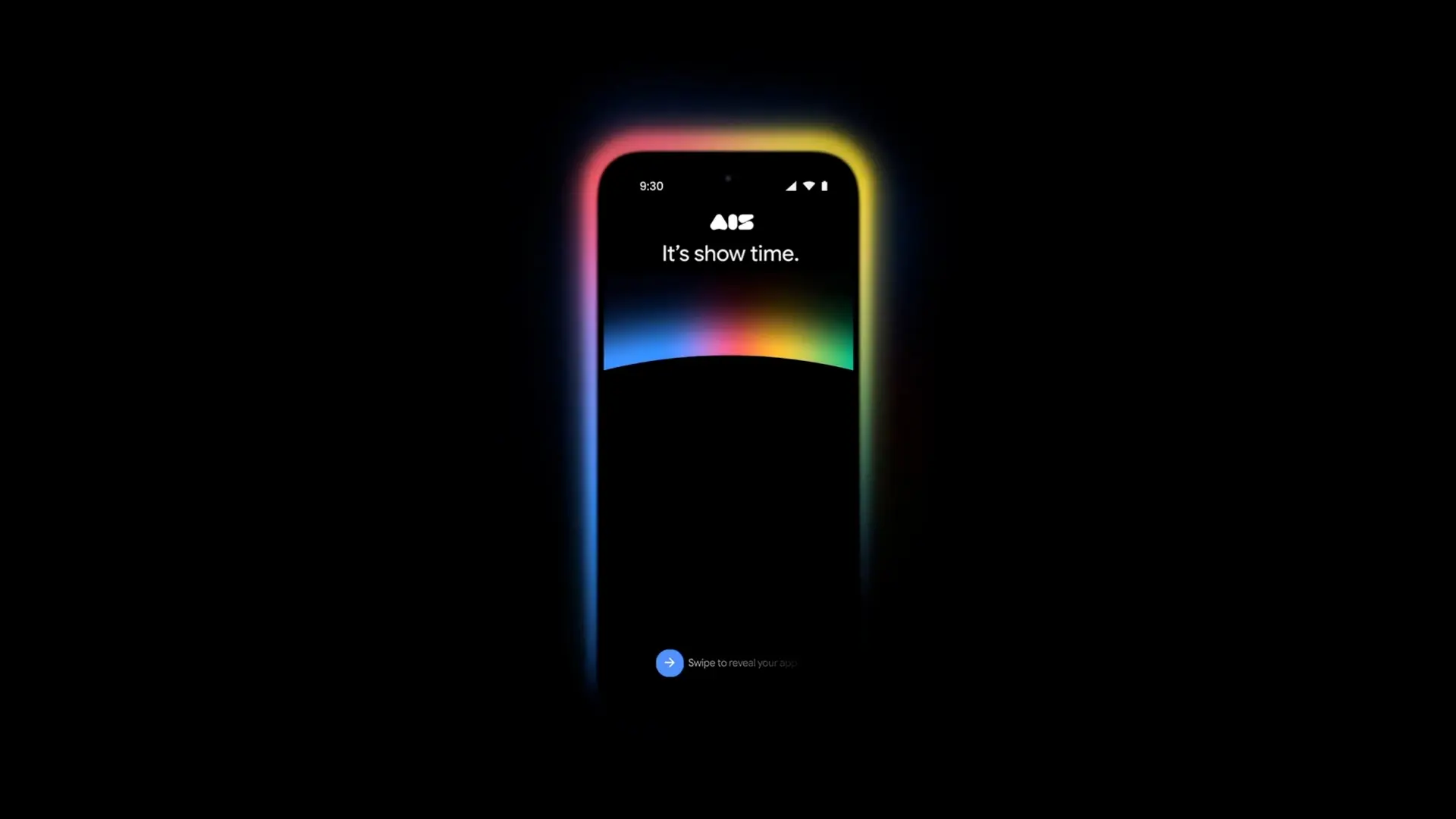
The landscape of app development is undergoing a dramatic transformation. Just a few years ago, building a mobile application required a powerful desktop computer, specialized software like Android Studio, and hours of manual coding. Today, thanks to advances in artificial intelligence, developers can create functional apps using natural language prompts—a trend popularly known as "vibe coding." Google is now taking this revolution a step further by bringing its AI Studio to mobile devices, enabling developers to create, iterate, test, and publish Android apps directly from their smartphones.
What is AI Studio?
Google AI Studio is a browser-based development environment that leverages generative AI to help users build applications. Unlike traditional IDEs that require deep knowledge of programming languages, AI Studio allows users to describe their app idea in plain English, and the AI generates the underlying code. This democratizes app development, making it accessible to hobbyists, designers, and entrepreneurs who may not have formal coding training. The platform supports rapid prototyping, iterative refinement, and even one-click publishing, drastically reducing the time from concept to deployment.
Vibe Coding: A New Paradigm
The term "vibe coding" encapsulates the shift from manual, syntax-focused programming to intuitive, AI-assisted creation. Developers can now focus on the overall functionality and user experience, letting the AI handle the implementation details. This approach has gained massive traction in recent months, with tools like GitHub Copilot, Replit AI, and Google’s own Gemini models powering countless projects. Vibe coding is particularly appealing for mobile development, where cross-platform compatibility and performance optimization can be challenging.
Key Features of the Mobile App
According to an announcement on X (formerly Twitter) by the official Google AI Studio handle, the mobile app will offer a full-featured companion to the desktop experience. Users will be able to start projects on their phone and continue them on their desktop—or vice versa—ensuring seamless continuity. The app will include the "remix" feature, allowing developers to duplicate an existing app idea and customize it for different use cases. This is especially useful for creating variations of a template or adapting an app for a specific audience.
The mobile version will support all core development tasks: creating new projects, writing code via AI prompts, testing apps using on-device emulation, and publishing directly to the Google Play Store. While some advanced features from the desktop version may not be available initially, the mobile app is designed to handle the most common workflows. Google has emphasized that the app will be optimized for touch interfaces, with an intuitive UI that simplifies navigation and code editing.
How It Will Change Development
For years, mobile developers have been tied to their laptops or desktops. The ability to code from a coffee shop, during a commute, or while waiting in line opens up new possibilities for productivity. With AI Studio on mobile, a spontaneous idea can be prototyped in minutes. For example, a developer could sketch out a simple habit tracker app while on the bus, refine it during lunch, and publish it from the comfort of their couch.
This flexibility also benefits professional teams. Product managers can quickly test concepts without waiting for developers to set up environments. Hackathons and collaborative projects become more dynamic, as contributions can happen from any device. Moreover, the remix feature encourages reuse and innovation, similar to how open-source communities share code snippets.
Background: The Rise of AI-Assisted Development
Google’s move is part of a broader industry trend. OpenAI’s Codex, Microsoft’s Copilot, and Amazon’s CodeWhisperer have all made AI-assisted coding mainstream. However, Google has a unique advantage with its Gemini model, which powers AI Studio. Gemini is a multimodal model capable of understanding text, images, and code, making it particularly adept at generating complex applications. The company has also invested heavily in making AI accessible through tools like TensorFlow, Firebase, and Flutter, creating a cohesive ecosystem for mobile development.
Historically, mobile development required specialized knowledge of Java or Kotlin for Android, and Swift or Objective-C for iOS. The advent of cross-platform frameworks like React Native and Flutter lowered the barrier, but still required coding skills. AI Studio aims to eliminate that barrier entirely, enabling anyone with a creative idea to build an app.
What About iOS?
While the announcement specifically mentions Android, Google has confirmed that an iOS version will be available soon. The Play Store page for the app is already live for pre-registration, while the App Store shows a "coming soon" message. This aligns with Google’s strategy of making its tools available across platforms, though native iOS development may require additional adjustments for AI Studio—since Apple has stricter guidelines around code generation and app publishing.
Challenges and Limitations
No tool is perfect. Vibe coding with AI Studio may produce apps that are functional but lack the polish of hand-coded applications. Performance optimization, security best practices, and complex business logic may still require manual intervention. Additionally, the mobile version might have a smaller screen real estate, making code review and debugging more challenging. Google will need to implement robust error handling and testing features to mitigate these issues.
Another concern is the reliance on cloud-based AI models. Developers will need a stable internet connection to use AI Studio effectively, which could be a limitation in areas with poor connectivity. Offline capabilities are not yet announced, though Google might consider a lightweight on-device model for basic tasks in the future.
Future Implications
If successful, Google AI Studio on mobile could accelerate the pace of app development exponentially. It aligns with the company's vision of "ambient computing," where AI is seamlessly integrated into everyday devices. For the developer community, it means a lower entry barrier and more experimentation. For end-users, it could lead to a surge of niche apps tailored to specific needs.
The pre-registration page on the Play Store has already garnered significant interest, indicating strong demand. As the line between AI assistants and development tools blurs, we may soon witness a world where anyone can build a custom app within minutes, from any device, anywhere. Google is betting that mobile vibe coding is the next logical step in this evolution.
Source: Android Authority News