

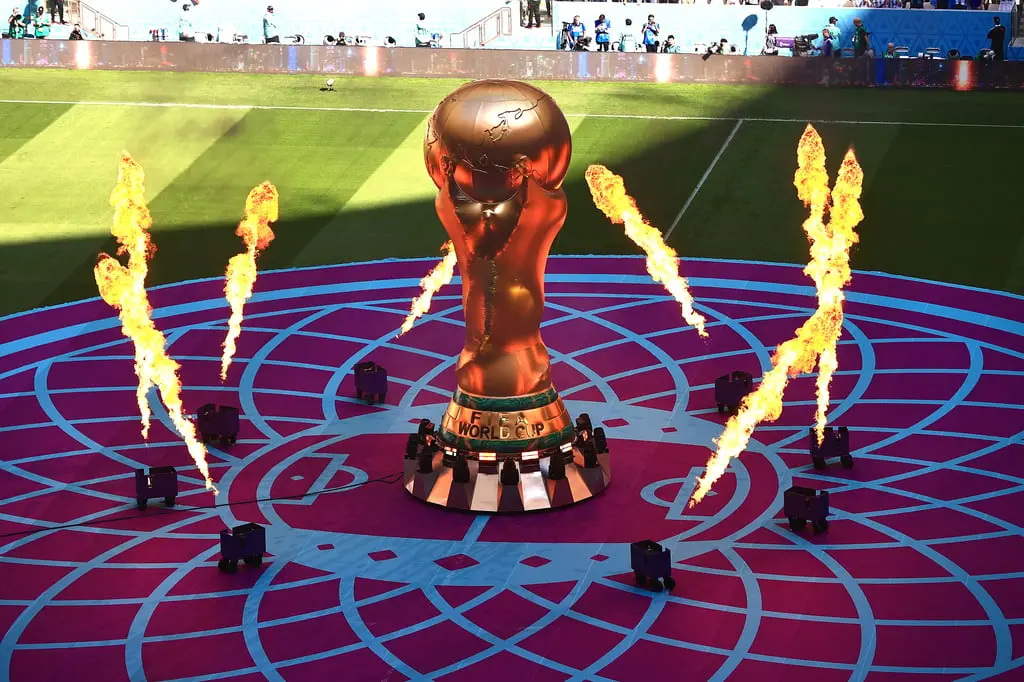
The 2026 FIFA World Cup is set to break new ground by featuring three separate opening ceremonies, one in each of the co-hosting nations: Mexico, Canada, and the United States. This unprecedented approach reflects the shared responsibility of organizing the world's biggest sporting event across three countries, each eager to showcase its unique culture through music, performance, and symbolism. The tournament, scheduled from June 11 to July 19, will see 48 teams compete in 104 games, marking the first time the World Cup has been hosted by more than two nations.
FIFA president Gianni Infantino emphasized the unifying power of these ceremonies, stating that they will bring together music, culture, and football in a way that highlights both the individuality of each nation and the collective spirit of the tournament. The ceremonies are tied together by a shared creative thread that reimagines the World Cup trophy through the cultural lens of each host country.
Mexico: A Celebration of Latin American Heritage
The first opening ceremony will take place in Mexico City on June 11 at 1:30 p.m. ET at Mexico City Stadium, immediately followed by the opening match between Mexico and South Africa. Mexico has a rich history with the World Cup, having previously hosted in 1970 and 1986. The 1970 ceremony featured teams marching into the stadium to drums, while the 1986 edition included traditional costumes and state flags.
For 2026, Mexico's ceremony will celebrate Latin American talent with a lineup that includes iconic bands and solo artists. Mexican pop-rock group Maná, known for hits like "Rayando el Sol" and "En el Muelle de San Blas," has called this the "event of the century" for Mexicans. Also performing are Alejandro Fernández, a renowned ranchera singer; Belinda, a Spanish-Mexican pop star; Danny Ocean, a Venezuelan reggaeton artist; Lila Downs, known for blending folk and indigenous music; Los Ángeles Azules, a cumbia ensemble; and Colombian superstar J Balvin, who is featured on Coca-Cola's 2026 World Cup anthem "JUMP." South African singer Tyla will also perform, highlighting the global reach of the event.
The ceremony will incorporate the traditional Mexican craft of papel picado—intricately cut tissue paper used in celebrations—as a central visual motif. Mexican President Claudia Sheinbaum has promised a "historic" and "exceptional" event that will showcase the country's cultural richness.
Canada: A Mosaic of Cultures
Canada will host the second opening ceremony on Friday, June 12, at 1:30 p.m. ET at Toronto Stadium. As a first-time host, Canada is eager to present its multicultural identity. The World Cup trophy will be reimagined as a mosaic, symbolizing the diverse people, cultures, and communities that define the country.
Canadian crooner Michael Bublé expressed his honor at performing, saying he can't wait to celebrate with fans worldwide. Toronto-born Jessie Reyez and Palestinian-Egyptian singer Elyanna will perform their collaboration "Illuminate," which appears on the official FIFA World Cup 2026 album. Nora Fatehi, who dazzled at the 2022 World Cup opening in Qatar, will also take the stage. Other Canadian artists include Alanis Morissette, Alessia Cara, and William Prince, joined by Bangladeshi-American DJ Sanjoy and French singer-songwriter Vegedream.
Prime Minister Mark Carney has stressed that Canada is ready to welcome the world, with the ceremony expected to be a "powerful reflection of Canada's identity," according to Infantino. The ceremony will highlight the country's Indigenous heritage as well as its immigrant stories, blending traditional and contemporary elements.
United States: Star Power in Los Angeles
The United States will host its opening ceremony in Los Angeles on June 12 at 7:30 p.m. ET. California-born Katy Perry will headline, alongside Future, Tyla, LISA (from K-pop group Blackpink), Brazilian pop star Anitta, and Nigerian superstar Rema. Fans speculate that LISA, Anitta, and Rema will perform their new World Cup song "Goals."
Infantino noted that the lineup reflects the cultural diversity of the United States and its many diasporas, highlighting the nation's influence on global pop culture. The U.S. last hosted the World Cup in 1994, and Los Angeles Mayor Karen Bass has called on every Angeleno to be part of this historic moment. Initiatives like "Kick It In the Park" will organize free watch parties, youth soccer clinics, and community celebrations across the city.
Streaming platform Tubi, owned by Fox Corporation, will simulcast all three opening ceremonies live in 4K, allowing fans around the world to experience the festivities from home.
Historical Context and Controversies
While excitement builds, the tournament has not been without controversies. The 2026 World Cup takes place against a politically charged backdrop, including the ongoing Iran war, which has raised concerns about geopolitics and security. In the U.S., fans have expressed anxiety over visa and travel restrictions, particularly for visitors from certain countries.
Ticket pricing has also drawn widespread criticism. Premium seats cost tens of thousands of dollars, leading the attorneys general of New York and New Jersey to issue subpoenas to FIFA over its ticketing practices. Despite these challenges, the prospect of three action-packed opening ceremonies has been largely well-received by fans, who are eager to see how each host nation puts its best foot forward.
The opening match of the 2022 World Cup in Qatar registered a global reach of over 550 million viewers, according to FIFA. With three separate ceremonies in 2026, that number could be even higher. The host countries are under immense pressure to deliver unforgettable spectacles that blend soccer, culture, and entertainment.
Behind the Scenes: Planning the Ceremonies
According to FIFA, each ceremony will be meticulously planned with a shared creative thread that ties the three events together. The reimagining of the World Cup trophy serves as a visual anchor, reinterpreted through the lens of each nation's heritage. In Mexico, the trophy will be depicted in papel picado; in Canada, as a mosaic; and in the U.S., likely reflecting Hollywood glamour and urban energy.
FIFA has not yet released detailed logistical information about rehearsal schedules or expected crowds, but officials have confirmed that each ceremony will last approximately 45 minutes to an hour, featuring a mix of live performances, video projections, and symbolic elements. The integration of local culture into such a global event requires immense coordination, and each host nation has been working with top creative directors to ensure authenticity and spectacle.
For Canada, this marks a historic first—the country has never hosted a men's World Cup, and the ceremony is seen as an opportunity to showcase its growing cultural influence on the world stage. For Mexico and the U.S., the ceremonies are a chance to reaffirm their longstanding love for soccer and their ability to host major international events.
Source: Yahoo Sports News