

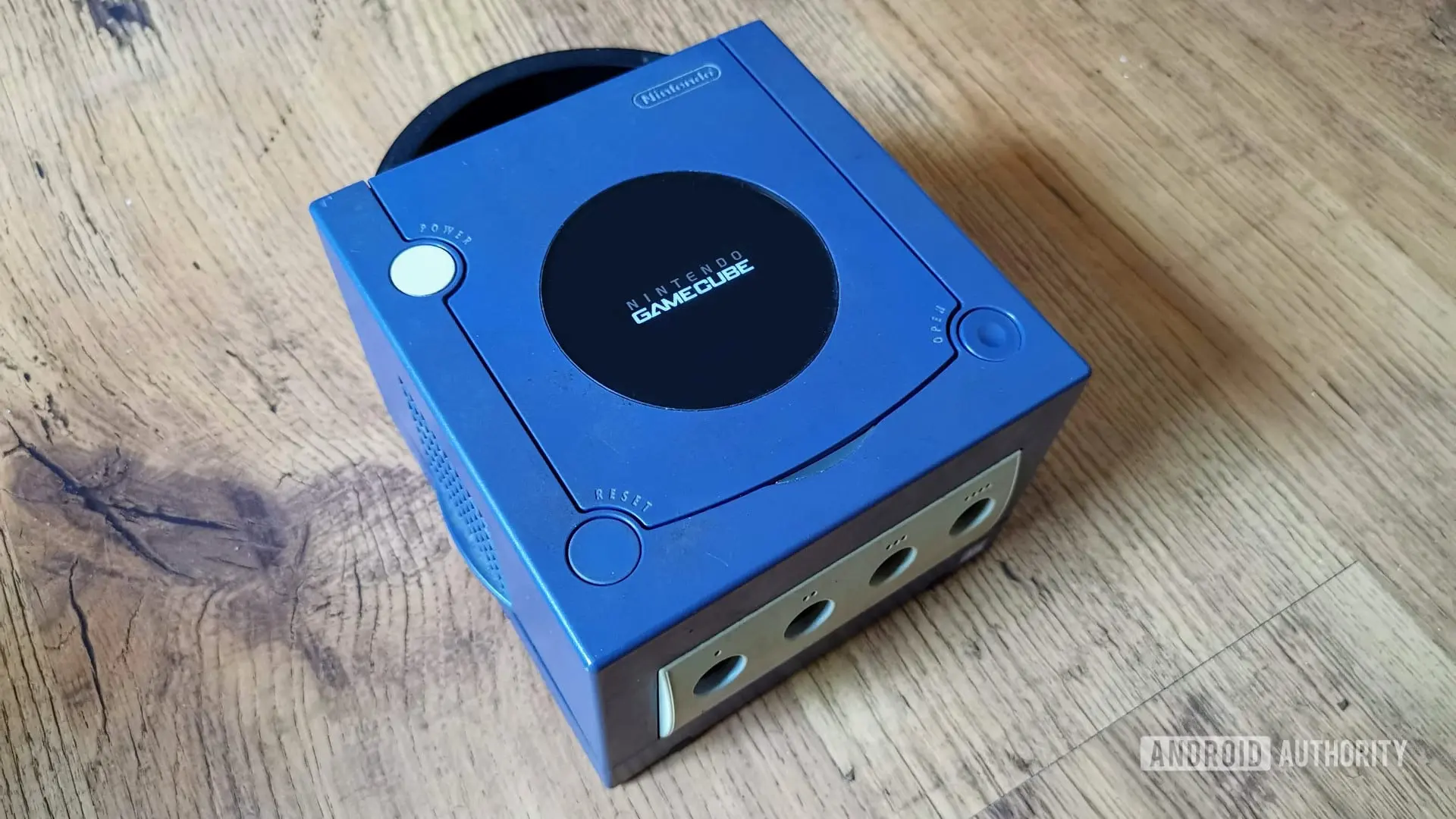
Gaming enthusiasts and Nintendo fans alike have a new reason to celebrate: the beloved GameCube launch title Pikmin has been 100% decompiled. This milestone, announced by the GC/Wii Decompilation Discord group, means that the game’s original code and functions have been reverse-engineered, opening the door for unofficial ports to modern platforms like Windows PC and Android. While not an official Nintendo release, such decompilations give players the ability to enjoy classic games without relying on emulators, often with enhanced performance and features.
What is Decompilation and Why Does It Matter?
Decompilation is the painstaking process of analyzing a game’s binary code and reconstructing it into human-readable source code. For older titles originally compiled for specific hardware—like Nintendo’s GameCube—this is a massive undertaking. The resulting source code can then be used to create ports that run natively on modern operating systems, bypassing the need for emulation. This method has gained traction in the retro gaming community, as it allows for better performance, support for contemporary controllers, higher resolutions, and even modding capabilities.
Pikmin is now the fifth GameCube game to achieve full decompilation, joining Animal Crossing, The Legend of Zelda: Twilight Princess, Mario Party 4, and an N64 emulator for GameCube. Each of these has already seen unofficial ports: Animal Crossing was ported to select ANBERNIC handhelds, while Twilight Princess and Mario Party 4 received desktop and Android versions. Given this trend, it’s highly likely that Pikmin will follow suit in the coming months.
Pikmin: A Brief History
Pikmin was released in 2001 as one of the first games for the GameCube, developed by Nintendo EAD under the direction of Shigeru Miyamoto. The game introduced players to Captain Olimar, a tiny astronaut stranded on an alien planet. Using a day-based time limit, players must guide colorful, plant-like creatures called Pikmin to solve puzzles, defeat enemies, and gather ship parts to escape. The game combined real-time strategy with exploration and puzzle elements, earning acclaim for its innovative gameplay and charming aesthetic.
Despite its critical success, Pikmin was not a blockbuster seller—it moved around 1.6 million copies worldwide. However, it developed a cult following and spawned a series that continues today with Pikmin 4 on Nintendo Switch. The decompilation of the original GameCube version is a boon for fans who want to experience the game with modern conveniences or preserve it for future generations.
Benefits Over Emulation
Unofficial fan ports derived from decompilation offer several advantages over traditional emulation. First, performance is typically superior because the code is optimized for the target platform rather than being interpreted or dynamically recompiled. This often results in smoother frame rates and lower input lag. Second, ports can include native support for modern controllers, high-resolution displays, and widescreen aspect ratios. Third, modding becomes far more accessible, allowing the community to fix bugs, add new content, or even create total conversions.
Another key benefit is the elimination of legal grey areas. While emulators themselves are legal, obtaining BIOS files or game ROMs often requires circumventing copyright protection. Decompilation projects, by contrast, typically demand that users own the original game disc and extract its data themselves—a process that respects copyright law while enabling preservation. However, the distribution of the decompiled source code itself is a legal grey area that has led to takedowns in some cases.
Previous Success Stories
The GC/Wii Decompilation group’s work has already yielded impressive results. The Legend of Zelda: Twilight Princess, a flagship GameCube and Wii title, was decompiled and subsequently ported to PC with features like ultrawide support and 60 frames per second. Similarly, Mario Party 4 received Android and Windows ports, allowing players to enjoy its party mini-games on modern hardware without emulator overhead. Even the original Jak and Daxter, Driver 2, and The Legend of Zelda: The Minish Cap have been ported thanks to decompilation efforts.
Animal Crossing for GameCube was the group’s first full decompilation, later ported to ANBERNIC handhelds and other devices. That port now supports touch controls and cloud saves, features that were unimaginable on the original hardware. These successes demonstrate the transformative power of decompilation for game preservation.
Caution Against “Vibecoded” Ports
While the news is exciting, the community warns about a new trend: “vibecoded” ports. With the rise of AI tools, individuals without programming experience are attempting to create game ports using machine learning models. These ports often suffer from severe performance issues, missing features, and instability. The term “vibecoding” refers to coding by feel or guesswork rather than genuine understanding. In the coming weeks, we may see rushed, AI-generated Pikmin ports that fail to deliver on the promise of native performance.
Enthusiasts should wait for ports from established teams with a track record, such as the GC/Wii Decompilation community or groups like OpenGOAL (which ported Jak and Daxter). These ports undergo testing and optimization, ensuring a quality experience.
What’s Next for Pikmin?
With the source code now available, the community is likely to produce a Windows port first, given the tools and experience from previous projects. An Android port may follow, using frameworks like SDL2 or Vulkan. Given the game’s real-time strategy elements, touch controls could be challenging, but external controller support is expected. The port could also enable mods such as new character skins, improved AI, or gameplay tweaks like infinite time limits—features that even Nintendo’s official rereleases often lack.
Furthermore, decompilation opens the door for cross-platform play, cloud saves, and integration with modern game launchers. It is a significant step in preserving one of Nintendo’s most inventive titles. For now, fans can follow the GC/Wii Decompilation Discord for updates, and prepare to revisit the mysterious planet of PNF-404 with a fresh, modern experience.
The success of the Pikmin decompilation also reinforces the importance of community-driven preservation. As official rereleases become rarer for older titles, these grassroots efforts ensure that classic games remain accessible and playable. While legal challenges may arise, the momentum behind decompilation is undeniable, with dozens of projects underway for games from various consoles.
In the broader context, Pikmin’s decompilation is part of a renaissance for GameCube preservation. Other major titles like Super Mario Sunshine and Metroid Prime are also being actively decompiled, though they have not yet reached 100% completion. The day may come when the entire GameCube library is playable natively on PC—a dream for collectors and historians alike.
Until then, Pikmin stands as a testament to the dedication of retro gaming communities and the technological prowess of reverse engineering. Whether you’re a longtime fan or a newcomer, the possibility to play this classic on your phone or PC without emulator hassle is an exciting prospect that bridges past and present.
Stay tuned to development channels for the first release candidates, and remember to support official releases when they become available on modern platforms like Nintendo Switch Online. But for those seeking the ultimate, customizable experience, the decompiled future of Pikmin is a bright one.
Source: Android Authority News