

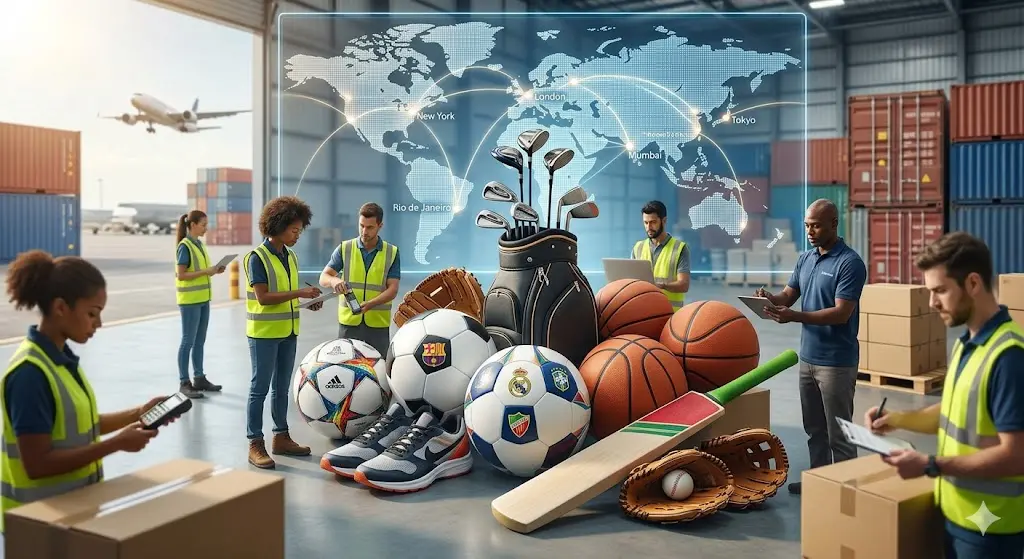
Cross-border trade is changing the sports industry worldwide by expanding global sponsorships, increasing merchandise sales, improving athlete mobility, and creating new revenue opportunities for sports organizations. As international commerce grows, sports businesses gain access to larger audiences, diverse markets, and innovative partnerships that reshape how sports are played, marketed, and consumed.
Why Cross-Border Trade Is Changing the Sports Industry Worldwide has become an increasingly relevant question for sports executives, athletes, investors, and fans alike. Sports are no longer confined by national borders. Teams sell merchandise globally, athletes compete internationally, and sponsors seek worldwide audiences.
The connection between global commerce and sports has never been stronger. From professional leagues signing international media agreements to manufacturers sourcing equipment from multiple countries, cross-border trade influences nearly every aspect of modern sports. Understanding this shift helps explain why the sports business continues to evolve at such a rapid pace.
What Is Cross-Border Trade in the Sports Industry?
Cross-Border Trade: The exchange of goods, services, investments, talent, and commercial opportunities between organizations and individuals located in different countries.
Within sports, cross-border trade extends far beyond importing equipment or exporting merchandise. It includes media rights agreements, athlete transfers, sponsorship partnerships, training technologies, sporting events, and digital content distribution.
A football jersey designed in one country might be manufactured in another and sold worldwide through online platforms. Similarly, a sports league can generate significant revenue from international broadcasting contracts.
What most people overlook is that sports have become one of the most globalized entertainment sectors in the world.
Expert Tip
Organizations that understand international consumer preferences often outperform competitors focused only on domestic markets.
Why Cross-Border Trade Is Changing the Sports Industry Worldwide in 2026
In 2026, sports organizations are operating in a highly connected global economy.
Digital streaming platforms allow leagues to reach fans across continents instantly. International sponsorship agreements continue expanding as brands pursue global recognition. Sports merchandise sales increasingly depend on overseas customers.
Cross-border trade creates opportunities that simply didn't exist a generation ago.
Athletes now benefit from global career options. Teams recruit talent internationally. Equipment manufacturers access broader supply chains and production capabilities.
I've noticed that many people still think sports success depends mainly on on-field performance. While performance matters, commercial expansion often determines long-term growth.
Another major factor is fan engagement. Supporters can follow teams from thousands of miles away through streaming services, social media, and online communities. This worldwide audience generates substantial economic value.
Real-World Example
Imagine a basketball club based in Europe. Through international broadcasting agreements, online merchandise sales, and sponsorship deals with multinational companies, the club earns more revenue from international markets than from local ticket sales.
That scenario is becoming increasingly common.
Expert Tip
Sports organizations should evaluate international market demand before launching major expansion initiatives.
How Sports Organizations Benefit from Cross-Border Trade: Step by Step
1. Expand International Fan Bases
Global broadcasting and digital platforms help teams reach audiences beyond their home countries.
A larger audience often translates into higher commercial value.
2. Develop International Sponsorships
Brands seek partnerships that deliver worldwide exposure.
Sports organizations can attract sponsors interested in multiple geographic markets.
3. Increase Merchandise Distribution
Cross-border trade enables products to reach consumers globally.
Fans increasingly purchase team merchandise regardless of location.
4. Recruit International Talent
Athlete mobility allows organizations to access broader talent pools.
Competition often improves when teams recruit globally.
5. Create New Revenue Streams
Media rights, licensing agreements, digital content subscriptions, and international events generate additional income opportunities.
6. Build Strategic Partnerships
Collaborations with foreign organizations can accelerate growth and market entry.
Expert Tip
Successful global expansion often starts with one carefully selected market rather than attempting worldwide growth simultaneously.
The Growing Influence of International Athlete Movement
Athlete mobility represents one of the most visible examples of cross-border trade in sports.
Professional leagues recruit players from around the world. International transfers create economic activity that benefits teams, agents, sponsors, and governing bodies.
This movement also improves competition quality.
When athletes bring different playing styles, training methods, and experiences, sports become more dynamic and entertaining.
Here's the thing: athlete migration doesn't only benefit elite leagues. Youth academies, development programs, and local competitions often gain exposure and investment through international connections.
Expert Tip
Organizations that invest in global scouting networks often identify talent before competitors do.
How Global Sponsorships Are Reshaping Sports
Sponsorship has evolved dramatically over the past decade.
Companies increasingly seek partnerships capable of delivering international exposure rather than local visibility alone. Sports properties with worldwide audiences naturally become attractive marketing platforms.
A multinational company sponsoring a major sports event can simultaneously reach consumers in dozens of countries.
That level of reach is difficult to achieve through traditional advertising alone.
In my experience, sponsorship growth may be one of the strongest indicators of how globalized the sports industry has become.
Mini Case Study
A technology company partners with an international sports league to promote products across multiple regions. Through digital campaigns, event branding, and athlete endorsements, the company expands market awareness while the league secures additional revenue.
Both parties benefit.
A Common Misconception About Cross-Border Trade in Sports
Many people assume cross-border trade only benefits large professional organizations.
That's not entirely accurate.
Smaller clubs, local leagues, training academies, and independent athletes can also access international opportunities through digital commerce and global marketing channels.
A youth training academy might attract international students. A niche sports brand can sell products worldwide through e-commerce platforms.
Here's a counterintuitive point: smaller organizations often adapt to global opportunities faster than large institutions because they face fewer bureaucratic barriers.
That surprises many industry observers.
Expert Tip
Don't underestimate niche international audiences. Smaller markets can sometimes generate higher engagement than larger, less targeted ones.
Expert Tips and What Actually Works
After studying sports business trends, several practical lessons stand out.
First, localization matters.
Organizations shouldn't assume strategies that work in one country will automatically succeed elsewhere. Consumer preferences vary significantly across regions.
Second, digital infrastructure matters more than many people realize.
Strong online platforms often determine whether international expansion succeeds or fails.
Third, relationship-building remains essential.
Cross-border trade depends on trust, partnerships, and long-term collaboration.
Here's my hot take: many sports organizations spend too much time chasing international visibility and not enough time building sustainable international communities. Fans want authentic connections, not just marketing campaigns.
The most successful organizations understand that distinction.
Expert Tip
Measure fan engagement quality, not just audience size, when evaluating international growth efforts.
People Most Asked About Cross-Border Trade and Sports
How does cross-border trade help sports organizations?
Cross-border trade creates access to international fans, sponsorships, media rights agreements, merchandise sales, and athlete recruitment opportunities that increase revenue and growth potential.
Why are international sponsorships becoming more common?
Brands seek global exposure. Sports organizations with international audiences provide an effective way to reach consumers across multiple countries simultaneously.
Does cross-border trade benefit athletes?
Yes. Athletes gain access to broader career opportunities, higher competition levels, improved training environments, and potentially greater earning potential.
How do sports fans benefit from globalization?
Fans enjoy greater access to international competitions, merchandise, streaming content, and athlete interactions through digital platforms.
What challenges come with international expansion?
Organizations may face regulatory requirements, cultural differences, logistical complexities, and market-entry costs when expanding internationally.
Are smaller sports organizations affected by cross-border trade?
Absolutely. Digital commerce and online media have created global opportunities for organizations of nearly every size.
What role does technology play?
Technology enables international broadcasting, e-commerce, fan engagement, data analytics, and communication across geographic boundaries.
Final Thoughts
Why Cross-Border Trade Is Changing the Sports Industry Worldwide comes down to one simple reality: sports have become a global business. International commerce influences sponsorships, athlete movement, merchandise sales, media rights, and fan engagement on an unprecedented scale. Organizations that embrace global opportunities while adapting to local market needs will likely be better positioned for long-term success in an increasingly interconnected sports economy.
If you're looking to increase brand visibility, attract organic traffic, and strengthen your online presence, our network provides solutions through PR distribution services and local business directory UK. Businesses, agencies, startups, bloggers, and SEO professionals can gain high authority backlinks, improve SEO ranking, expand media coverage, and benefit from instant publishing opportunities designed to support sustainable digital growth.