

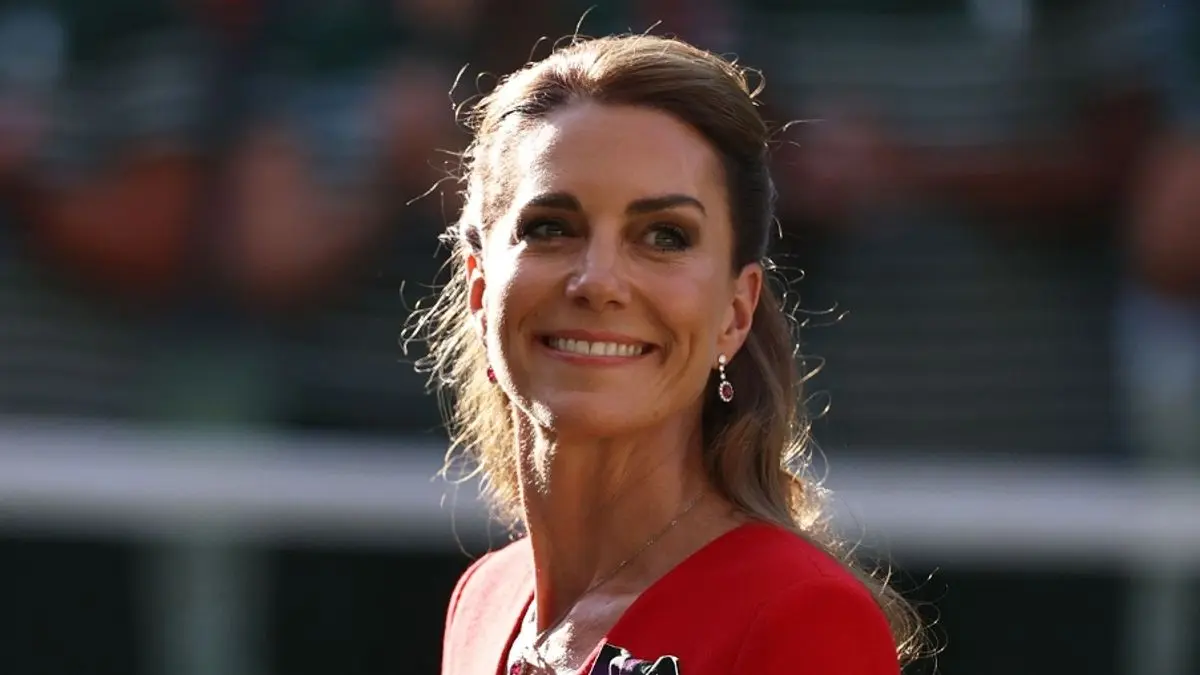
A new royal biography has disclosed that the Princess of Wales, Kate, privately expressed reservations about taking on the historic title due to its powerful association with the late Princess Diana. According to the book, William and Catherine: The Intimate Inside Story, Kate shared her concerns with both her husband Prince William and her father-in-law King Charles after the accession of the monarch in 2022.
The title of Princess of Wales came to Kate following the death of Queen Elizabeth II, when Charles automatically became King and William assumed the Prince of Wales title. For many, the title invokes overwhelming memories of Diana, Princess of Wales, who was one of the most beloved and photographed figures in the world before her tragic death in 1997. Kate, who had previously been known as the Duchess of Cambridge, was fully aware of the weight of that legacy. The biography notes that although Kate appreciated the history attached to the role, she was determined to find her own path and not simply be seen as a successor to Diana.
The book includes a claim that Catherine voiced her hesitations directly to the King and William. "But Catherine had also privately expressed to William and to Charles her reservations about taking over the title, conscious of the British public's exceptional feeling for, and connection to, Princess Diana even 25 years after her death," the author writes. This admission lays bare a more vulnerable side of the future Queen, who is often perceived as composed and confident in her public role.
A former senior aide to William and Kate spoke to the author about the deliberations. "This tells you how considered she is," the aide said. "She is benevolent with her intentions, but also wishes to carve out her own role for both herself and her family, which in many ways looks very different to how generations of royals have acted in the past." The aide went on to explain: "She is very aware the pace that she wants to progress and the way in which she sees her future role within the institution, and I think when she was convinced to take the title on, and there was a bit of convincing, she felt that while there would be inevitable comparisons with Diana, she could manage it in her own way while having full respect for the way Diana carved out a very different role for herself within the Royal Family."
This revelation provides a rare glimpse into Kate's private thinking at a pivotal moment in royal history. The Princess of Wales has often been careful to project a calm and dutiful exterior, and the suggestion that she needed persuasion to accept one of the most famous titles in the world adds depth to public perceptions. It also underscores the complicated emotional landscape that senior royals navigate when inheriting roles steeped in history and public sentiment.
The title itself has been part of British royal history for centuries. The Prince of Wales title is traditionally granted to the heir apparent to the throne, and his wife shares the title in a feminine form. Over the years, it has been borne by women from different backgrounds, each of whom brought her own style to the role. Some, like Queen Alexandra and Queen Mary, later went on to become queen consort. Others, like Diana, never received the title of queen. For Kate, taking on the title meant accepting a dual legacy: one of duty and continuity and another of tragedy and lasting popular affection.
Historically, the title of Princess of Wales has been held by only a few women, and it carries exceptional weight in Britain. The title is not automatically granted; it is a courtesy title given to the wife of the Prince of Wales. The most recent holder before Kate was Camilla, the present Queen, who chose to be styled as the Duchess of Cornwall out of respect for Diana's memory. Before that, Diana held the title from her marriage to Charles in 1981 until their divorce in 1996. Diana transformed the role into a global platform for humanitarian work, becoming an icon of compassion and empathy. Her sudden death in Paris in August 1997 provoked an unprecedented outpouring of public grief, and she remains a beloved figure in British life and beyond.
Kate, now known formally as the Princess of Wales, has gradually shaped her own identity within the monarchy. From her early days as the Duchess of Cambridge, she focused on issues such as early childhood development, mental health awareness, and supporting children and families. She launched the Royal Foundation Centre for Early Childhood and has championed the cause of providing children with the best possible start in life. Despite being one of the most scrutinised women in the world, Kate has largely avoided controversy and has earned a reputation for professionalism and dedication.
The transition in titles took place amid a broader period of change for the Royal Family. The death of Queen Elizabeth marked the end of an era and the beginning of a new reign under Charles and Camilla. In his first address to the nation after the Queen's death, King Charles spoke directly about William and Kate's future roles. "Today, I am proud to create him Prince of Wales, Tywysog Cymru, the country whose title I have been so greatly privileged to bear during so much of my life and duty," the King said. "With Catherine beside him, our new Prince and Princess of Wales will, I know, continue to inspire and lead our national conversations, helping to bring the marginal to the centre ground where vital help can be given."
The King's words signalled his confidence in the younger generation to modernise the monarchy. For Kate, the address was both an honour and a challenge. She would now be compared not only to Diana but also to Camilla, who had handled the title with characteristic sensitivity. But those close to the couple said they were not rushing into the role. A royal insider explained that William and Kate were focused on "deepening the trust and respect of the people of Wales over time." The source added: "The Prince and Princess of Wales will approach their roles in the modest and humble way they've approached their work previously."
In the weeks after the accession, the couple undertook their first official visit to Wales as Prince and Princess of Wales. They visited Cardiff, where they met communities affected by the cost of living crisis, and took part in a series of engagements highlighting local charities and cultural institutions. The visit was widely seen as an effort to establish a close connection with the Welsh people and to demonstrate that they intended to take their responsibilities seriously. Kate's warmth during these public appearances stood in contrast to the weight of the historical comparisons that preceded her.
The biography, William and Catherine: The Intimate Inside Story, charts the couple's journey from their earliest days at the University of St Andrews to their present positions at the heart of the royal institution. It explores how they have developed a vision for a contemporary monarchy that remains relevant during a period of profound social and political change. The book draws on interviews with those who know the couple and with royal insiders to paint a portrait of a partnership that has weathered intense public interest and personal trials.
Kate's reported reservations about the title are likely to resonate with many people who understand the immense shadow cast by Diana. It is a measure of Kate's humility that she did not take the honour for granted. Rather than treating the title as a prize, she approached it with caution and respect. The fact that she eventually accepted the role and has worked to make it her own is indicative of her commitment to both her family and the country.
In the years since taking on the title, Kate has continued to expand her public role. She has accompanied William on official visits, championed her early years initiative, and gradually taken on more responsibilities as the monarchy evolves. Her public appearances are marked by a warm and accessible demeanour, and she has been careful to emphasise the importance of community and connection. While comparisons to Diana are inevitable, Kate has never tried to replicate Diana's style or approach. Instead, she has sought to define her own legacy, one that reflects the values and priorities of her own generation.
The revelations in the biography offer a fresh perspective on a pivotal moment in royal history. They also highlight the enormous pressure placed on senior royals as they step into roles that are both historical and deeply personal. For Kate, the Princess of Wales title was never simply a name; it carried with it the hopes, memories, and expectations of millions of people. Her hesitation was not a sign of reluctance but rather a mark of her understanding of the responsibilities involved. As she fulfills her duties with grace and determination, Kate is steadily building a reputation that will eventually stand on its own. Yet the story of her initial reservations will remain a fascinating footnote in the history of the British monarchy.
Source: Daily Mirror News