

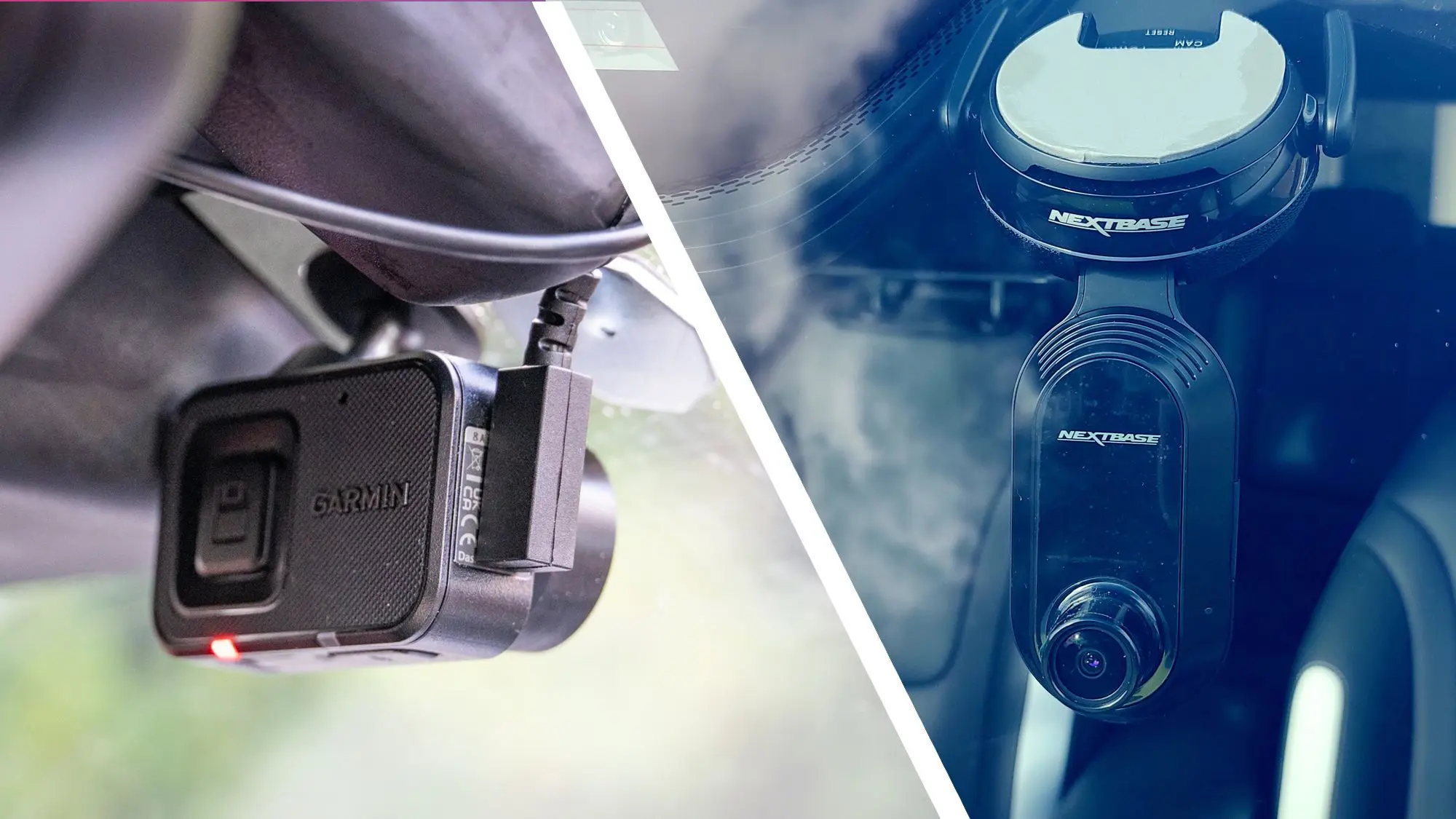
Dash cams have evolved from niche accessories into essential safety tools for modern drivers. With increasing traffic incidents, insurance disputes, and the need for evidence, a reliable dash camera can provide peace of mind. In 2025, the market is flooded with options ranging from budget-friendly 1080p devices to high-end 4K systems with cloud connectivity. We've tested dozens of models from top brands including Garmin, Nextbase, 70mai, Thinkware, and VIOFO to bring you the definitive list of the best dash cams on the market.
What to Look for in a Dash Cam
Before diving into our top picks, it's essential to understand the key features that distinguish a good dash cam from a great one. Video resolution is paramount: 1080p remains the baseline, but 1440p (2K) and 2160p (4K) offer sharper details, especially useful for reading license plates. The field of view should be wide enough to capture the entire road ahead, ideally between 140 and 160 degrees. Night vision capability, often achieved through larger sensors or Sony STARVIS technology, is critical for recording clear footage in low-light conditions. Parking mode is another must-have; it allows the dash cam to monitor your vehicle while parked, detecting motion or impact. Other important features include built-in GPS for tracking speed and location, a G-sensor that automatically saves footage when a collision is detected, and a reliable power source like a supercapacitor instead of a battery for better heat tolerance.
Our Top Picks: Best Dash Cams Tested
Garmin Dash Cam 67W
Garmin has a long-standing reputation for GPS devices, and their dash cams are no different. The Dash Cam 67W offers 1440p recording with a generous 180-degree field of view. Its compact design makes it easy to hide behind the rearview mirror. The standout feature is the Voice Control; you can say 'OK Garmin, save video' to protect a clip without taking your hands off the wheel. Driver alerts for forward collision, lane departure, and red-light cameras are also included. In our tests, the 67W produced crisp, clear footage during the day and excellent night performance, with license plates readable up to three car lengths ahead. The built-in Wi-Fi and Bluetooth make downloading clips to your phone a breeze.
Nextbase 622GW
Nextbase is a dominant player in the dash cam market, and the 622GW is their flagship model. It records in true 4K at 30 frames per second, with an impressive 140-degree viewing angle. Image stabilization minimizes shaky footage, a common problem on rough roads. The What3Words integration is unique: each video is geotagged with a specific three-word location, making it incredibly easy to share your exact parking spot or accident location with emergency services. The touchscreen interface is intuitive, and the polarizing filter reduces glare from the dashboard reflections. We found the night vision to be superior, thanks to a sensor that adjusts efficiently to oncoming headlights. The optional Rear Cam Module and 4G dongle (for live view and alerts) make it a versatile system for those who want full coverage.
70mai A810
70mai has emerged as a top choice for value-for-money. The A810 offers 4K resolution with an 8-megapixel Sony IMX678 sensor, delivering excellent clarity in both day and night conditions. What sets this model apart is the Super Night Vision feature, which uses the large sensor combined with advanced algorithms to produce bright, clear footage in near-darkness. The touchscreen is responsive, and the included GPS module adds speed and location data. In our tests, the A810 impressed with its color reproduction and sharpness, easily matching cams twice its price. Parking mode works well when wired to the fuse box, but it lacks a dedicated battery; it relies on a supercapacitor, which is suited for hot climates. The companion app is functional but could be more polished. Overall, the A810 is the best budget 4K dash cam we've tested.
VIOFO A229 Pro
For those who want the absolute best video quality, the VIOFO A229 Pro is hard to beat. This is a dual-channel system (front and rear) that records in 4K on both cameras. The front camera uses a Sony STARVIS 2 sensor, and the rear records at 2K. The footage is incredibly detailed, with a wide dynamic range that handles harsh sunlight and deep shadows without blowing out highlights. The A229 Pro includes HDR on both channels, which is rare even in premium models. Its parking mode is highly customizable, with time-lapse and motion detection options. The lack of a touchscreen and a more complex menu system might intimidate beginners, but experienced users will appreciate the granular control. In lab-style testing, we found the A229 Pro's night recording of license plates was the best among all models, able to read plates from up to 50 feet in pitch dark.
Thinkware U1000 2CH
Thinkware is known for innovative features, and the U1000 2CH is no exception. This dash cam records front in 4K and rear in 1080p. Its most notable feature is the Super Night Vision 2.0, which uses an infrared-sensitive CMOS sensor to capture color footage even in complete darkness. The energy-saving parking mode uses the built-in radar sensor to detect motion and only record when necessary, preserving battery life. The U1000 also includes Advanced Driver Assistance Systems (ADAS) like forward collision warning and lane departure warning. The cloud connectivity via an optional LTE module allows you to view live feeds and receive alerts when your car is disturbed. The build quality is exceptional, with a metal body that dissipates heat well. However, the price is high, and installation can be complex; professional fitment is recommended.
How We Test Dash Cams
Our testing process simulates real-world driving scenarios. Each dash cam is installed in a test vehicle and used on a dedicated route that includes urban streets, highways, country roads, and tunnels to evaluate exposure changes. We check video clarity by driving towards license plates at various distances and speeds, both in bright sunlight and at night. Audio quality is also assessed, though wind noise is common. We test ease of installation, menu navigation, smartphone app reliability, and the reliability of parking mode. For battery life, we leave the cam in parking mode for 24 hours to see how well it manages power. Technical specifications are verified, and firmware updates are applied to ensure the best performance. We also factor in warranty, customer support, and available accessories.
Installation Tips for Your Dash Cam
Getting the most out of your dash cam starts with proper installation. Mount the camera behind the rearview mirror so it doesn't obstruct your view. Ensure the lens is clean and the windshield area is free of stickers. For power, most dash cams come with a cigarette lighter adapter. To run the cable neatly, tuck it along the headliner, down the A-pillar, and under the glovebox. For parking mode, you'll need a hardwire kit that connects to the fuse box; choose a fuse that is always on for constant monitoring or one that is switched for only recording while driving. Many manufacturers sell dedicated wiring kits with voltage cut-off protection to prevent draining your car battery. If you're not comfortable with electrical work, seek professional installation. Finally, format your memory card in the dash cam rather than on a computer to ensure compatibility, and use a high-endurance card that can withstand constant writing.
Why You Need a Dash Cam
Beyond capturing breathtaking road trip footage, a dash cam is a practical insurance tool. In the event of an accident, video evidence can quickly establish fault, preventing disputes and potentially lowering your premiums. Many police forces now accept dash cam footage as evidence. Dash cams also deter aggressive driving and road rage incidents; knowing they are recorded often calms tempers. For new drivers, a dash cam can provide feedback on driving habits. Moreover, parking mode can catch hit-and-runs and vandalism. With prices starting as low as $50 for a basic model, the investment is small compared to the potential savings and security. In 2025, we recommend that every driver consider a dash cam as essential as a spare tire.
Frequently Asked Questions
Q: Are dash cams legal? A: In most countries and states, dash cams are legal as long as they do not obstruct the driver's view. However, some locations have restrictions on where the camera can be mounted or if audio recording is allowed without consent. Always check local laws.
Q: How much storage do I need? A: A 128GB microSD card is a good starting point. At 1080p, it can hold about 10-12 hours of footage. For 4K, expect around 5-6 hours. Look for cards with a U3 or V30 speed class and high endurance for continuous recording.
Q: Do I need a rear camera? A: A single front-facing camera covers most scenarios, but a rear camera adds protection from rear-end collisions and is essential for rideshare drivers. Many systems are expandable.
Q: Should I get a dash cam with a battery or capacitor? A: Supercapacitors are preferred for their ability to withstand extreme temperatures and longer lifespan. Batteries can swell or fail in hot cars. Most modern dash cams use capacitors.
Q: What is cloud connectivity? A: High-end dash cams can upload footage to the cloud via a cellular data plan, allowing you to view live video and get alerts remotely. This is useful for fleet management or extra security.
Final Verdict on the Best Dash Cams
After comprehensive testing, the Garmin Dash Cam 67W stands out for its balance of features, compact size, and reliable performance. The Nextbase 622GW is the best premium choice for those who want cutting-edge safety tools like What3Words. For budget-conscious buyers, the 70mai A810 offers exceptional 4K quality without breaking the bank. The VIOFO A229 Pro is the champion of video quality, ideal for enthusiasts. The Thinkware U1000 is best for parking surveillance with its radar and night vision. No matter your needs, there is a dash cam that fits. The key is to prioritize features that matter most to you, such as video resolution, night performance, or parking capabilities. We continue to update our testing as new models launch, so check back for the latest reviews.
Source: TechRadar News