

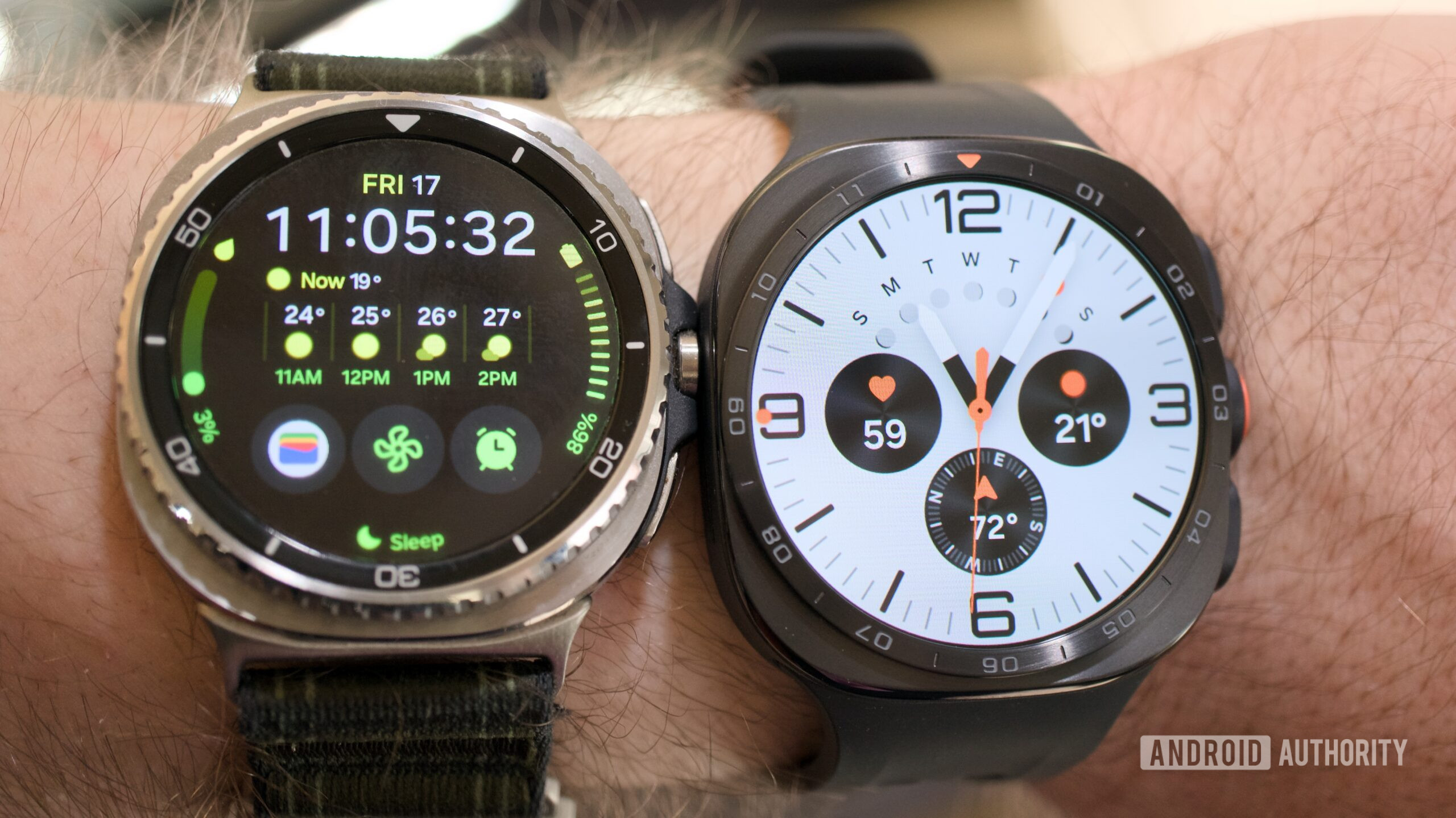
Samsung has significantly extended its software update commitment for its latest smartwatches, the Galaxy Watch 9 and Galaxy Watch Ultra 2. The company now promises five major operating system upgrades and five years of security patches for these devices, a move that sets a new benchmark in the smartwatch industry. This policy ensures that the watches, which launch with One UI 9 Watch based on Wear OS 7, will remain supported until at least 2031.
A New Standard for Smartwatch Longevity
This expanded support window marks a notable improvement over previous Samsung models. Since the Galaxy Watch 4, Samsung offered four OS upgrades and five years of security patches—a policy that already led the Android smartwatch segment. The new commitment now puts Samsung ahead of its closest rival, the Google Pixel Watch, which provides only three years of OS updates. It also aligns with the approximately five years of watchOS updates that Apple typically delivers for its Apple Watch line, though Apple does not make a formal upfront commitment and has occasionally left older models behind in recent beta releases.
Behind the Decision: Processor and Software Synergy
A key factor enabling this longer support window is the switch to the Snapdragon Wear Elite processor in the Galaxy Watch 9 and Galaxy Watch Ultra 2. Earlier Galaxy Watch models, including the Galaxy Watch 8, Galaxy Watch 8 Classic, and the original Galaxy Watch Ultra, used Samsung's Exynos chips. The Snapdragon Wear Elite offers improved performance, better power efficiency, and, crucially, a more unified software ecosystem with Qualcomm's long-term driver support. This makes it easier for Samsung to deliver consistent OS updates without needing to engineer workarounds for different hardware architectures.
What This Means for Consumers
For buyers, the extended support translates to longer device life and better security. A smartwatch that receives five major OS updates will gain new features and UX improvements year after year, while the five-year security patch commitment protects against vulnerabilities longer than most users keep their devices. This is particularly valuable for a premium wearable like the Galaxy Watch Ultra 2, priced at $699.99, where owners expect a multi-year investment.
Industry Context and Competition
The smartwatch market has seen a race toward longer software support, driven by consumer demand and regulatory pressure. Apple has historically offered around five years of major watchOS updates, but without a public guarantee. Google's Pixel Watch has lagged at three years. Samsung's new commitment sets a clear, published standard that competitors may now feel compelled to match. This also benefits the Android ecosystem by making Wear OS a more attractive platform for developers and users alike, knowing that the latest features will reach a broader installed base over time.
Beyond Software: Hardware Improvements
The Galaxy Watch 9 and Galaxy Watch Ultra 2 come with several hardware upgrades that complement their software longevity. The Galaxy Watch 9 is Samsung's lightest smartwatch to date, featuring an aluminum body, a larger battery, and Gemini AI-powered health insights with Raise to Talk. The Galaxy Watch Ultra 2 boasts a rugged titanium build, a 5,000-nit display, and an 800mAh battery designed for extreme conditions. Both devices run the Snapdragon Wear Elite chip, ensuring smooth performance for years to come.
Historical Background of Samsung's Smartwatch Updates
Samsung's journey in smartwatch software support began with the Galaxy Watch series running Tizen OS, which received updates for about three years. The transition to Wear OS starting with the Galaxy Watch 4 marked a partnership with Google to combine Samsung's hardware prowess with Google's software ecosystem. Initially, Samsung promised three OS upgrades for the Galaxy Watch 4, then extended to four for subsequent models. Now, with the Galaxy Watch 9 and Galaxy Watch Ultra 2, the company is doubling down on long-term support, recognizing that software is a key differentiator in a mature market where hardware improvements are incremental.
Potential Challenges and Limitations
While the new policy is commendable, there are caveats. Samsung has not confirmed whether older models with Exynos chips will receive similar extensions, and it seems unlikely given the architectural differences. Additionally, five major OS upgrades do not guarantee that all features from newer hardware will trickle down—certain capabilities may depend on sensors or processors absent in older generations. Users should also note that battery degradation over five years may affect usability, though Samsung has improved battery health management in its latest watches.
Impact on the Wear OS Ecosystem
This commitment could also influence the broader Wear OS platform. With Samsung and Google co-developing Wear OS, longer support ensures more devices remain on the latest version, reducing fragmentation. It encourages app developers to target newer APIs, knowing they will reach a larger user base over time. For Google, it aligns with its push for longer Android phone updates; extending similar policies to wearables creates a consistent experience across the Google ecosystem.
Comparison with Apple Watch Support
Apple has historically provided watchOS updates for devices released up to about five years prior, but it does not promise a specific number of upgrades. In practice, the Apple Watch Series 4 (2018) received watchOS 10 in 2023, a five-year span. However, the recent watchOS 27 beta dropped support for the Apple Watch Series 5, demonstrating that Apple can change direction. Samsung's formal commitment offers a degree of certainty that Apple lacks, which may appeal to long-term planners.
Future of Smartwatch Updates
Looking ahead, the trend toward longer support is likely to accelerate. As smartwatches become more capable—with health monitoring, cellular connectivity, and AI features—the cost of upgrading hardware frequently grows. Consumers increasingly expect their devices to remain functional and secure for half a decade or more. Samsung's move sets a precedent that other manufacturers like Google, Fossil, and OnePlus may need to follow to remain competitive. It also puts pressure on component makers like Qualcomm to provide driver and firmware support for at least five years, which they have already begun to do for smartphone chips.
In summary, Samsung has quietly raised the bar for smartwatch longevity with a five-year software commitment for the Galaxy Watch 9 and Galaxy Watch Ultra 2. This policy not only benefits early adopters but also signals a maturation of the wearable market where software support is as important as hardware specs. For now, only the newest models enjoy this extended window, but it hints at a future where all smartwatches offer multi-year update guarantees.
Source: Android Authority News