

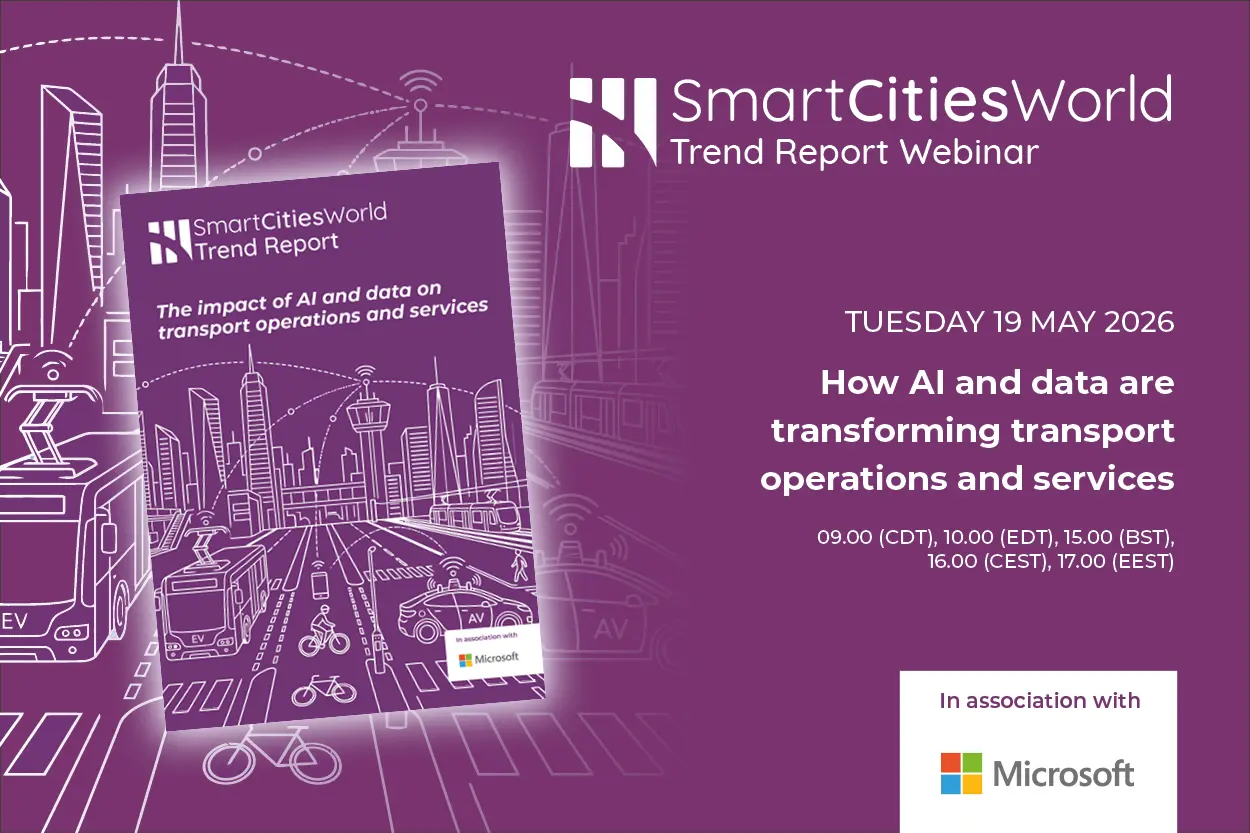
Transportation is the lifeblood of modern cities, and the integration of artificial intelligence (AI) and data analytics is fundamentally reshaping how urban mobility systems are planned, operated, and maintained. From optimizing traffic flows to enhancing passenger experiences, AI-powered solutions are enabling transport agencies to move beyond reactive management toward proactive, predictive, and even autonomous operations. This transformation is not merely a technological upgrade; it represents a paradigm shift in how cities approach infrastructure resilience, service delivery, and long-term sustainability.
The Data Foundation for AI in Transport
At the heart of any successful AI deployment in transport lies a robust data infrastructure. As noted by experts in the field, the greatest opportunities from AI depend on strong data foundations, workforce readiness, and responsible governance. Transport agencies generate vast amounts of data from sensors, cameras, GPS trackers, ticketing systems, and mobile apps. However, raw data alone is insufficient. It must be cleaned, standardized, and integrated across disparate systems to create a unified data ecosystem. Cities like Sunderland have recognized this need and are investing in digital infrastructure to position themselves as leading smart cities. Sunderland's approach combines low-carbon innovation with a resilient, future-focused economy, leveraging data as a strategic asset to drive transport improvements and economic growth.
Data readiness also involves addressing legacy systems that may not be equipped to handle real-time data streams. Many transport authorities are retrofitting existing infrastructure with IoT sensors and edge computing capabilities to capture granular data. This data serves as the fuel for AI models that can predict maintenance needs, optimize routing, and even simulate the impact of policy changes. Without a solid data groundwork, AI initiatives risk being built on unstable foundations, leading to inaccurate predictions or unintended consequences.
Digital Twins: Virtual Models for Real-World Impact
One of the most promising applications of AI in transport is the use of digital twins—virtual replicas of physical assets, systems, or entire city districts. Digital twins allow planners to simulate scenarios, test interventions, and visualize outcomes before implementing changes in the real world. Dublin, for example, has been innovating to improve experiences and services for its communities through digital twin projects. These virtual models help the city manage traffic reduction strategies, plan economic growth, and enhance public services. By integrating real-time data from traffic cameras, air quality sensors, and public transport feeds, Dublin's digital twin provides a dynamic, holistic view of urban mobility that supports evidence-based decision-making.
The power of digital twins extends beyond traffic management. They are also being used to optimize streetlight networks, turning them into secure, interoperable, and future-proof infrastructure. As cities explore smart lighting, they must consider cybersecurity risks inherent in connected systems. AI-driven analytics can help detect anomalies, predict failures, and automate responses, ensuring that lighting systems remain resilient while supporting broader transport operations, such as adaptive traffic signals and pedestrian safety measures.
AI-Powered Predictive Analytics and Operations
Transport agencies are increasingly turning to AI to improve service reliability and efficiency. Predictive analytics models can forecast demand for public transit, allowing agencies to adjust schedules and deploy resources dynamically. For instance, machine learning algorithms analyze historical ridership patterns, weather data, and special events to predict peak times and optimize vehicle allocation. This not only reduces waiting times and overcrowding but also lowers operational costs by matching supply with demand more precisely.
In the realm of infrastructure management, AI-driven predictive maintenance is transforming how cities care for roads, bridges, and tunnels. Sensors embedded in infrastructure collect vibration, strain, and temperature data, which AI models analyze to detect early signs of deterioration. This enables a shift from reactive repairs to proactive interventions, extending asset lifespan and reducing disruptive closures. The SmartCitiesWorld Summit 2026 highlighted the need for a more strategic, risk-based approach to infrastructure resilience, and AI is a key enabler of that approach.
Strategic Procurement and Workforce Readiness
Adopting AI in transport is not solely a technical challenge; it also requires strategic procurement and organizational change. As Sam Markey, Founder of Recurve, argues, strategic procurement is one of cities' most underused tools for building resilience, local capacity, and long-term climate impact. When procuring AI solutions, cities must consider factors such as data privacy, vendor lock-in, and interoperability with existing systems. Additionally, workforce readiness is critical. Transport employees need training to work alongside AI tools, interpret outputs, and oversee automated processes. Microsoft's Katherine Flesh emphasizes that responsible governance frameworks must be established to ensure AI is used ethically and transparently, particularly when making decisions that affect public safety and mobility.
Several cities are already piloting training programs for transport workers to build data literacy and AI awareness. These initiatives help demystify the technology and empower staff to contribute to its integration. A skilled workforce can better identify biases in AI models, understand limitations, and provide human oversight where needed. As AI becomes more embedded in transport operations, the human element remains indispensable for accountability and public trust.
Energy Systems and Climate Integration
AI and data are also playing a crucial role in aligning transport with broader energy and climate goals. The electrification of public and private vehicle fleets requires intelligent charging infrastructure that can balance grid demand and incorporate renewable energy. Local authorities are shaping energy systems through renewables, flexibility, storage, and smarter networks. AI can optimize charging schedules to minimize costs and carbon emissions while ensuring vehicles are ready when needed. Moreover, integrated data platforms can combine transport data with energy consumption patterns to identify synergies, such as using electric bus batteries as distributed storage units to support grid stability during peak hours.
Climate finance and resilient infrastructure were recurring themes at the SmartCitiesWorld Summit 2026, emphasizing that the future of cities will be defined by the ability to connect people, data, infrastructure, and investment into coherent, place-based strategies. Transport is a major contributor to urban emissions, so smart, AI-driven solutions are essential for achieving carbon reduction targets. By leveraging data to optimize routes, encourage modal shifts, and promote shared mobility, cities can significantly lower their transport-related carbon footprint.
Case Studies: Sunderland and Dublin Leading the Way
Sunderland serves as a compelling example of a city repositioning itself as a smart hub. The city's investment in digital infrastructure and low-carbon innovation is creating a resilient, future-focused economy. In transport, Sunderland has deployed AI tools to analyze traffic flows, manage parking, and enhance public transport connections. These efforts are part of a broader strategy to attract businesses, improve quality of life, and reduce environmental impact.
Dublin, meanwhile, is leveraging digital twins not only for traffic reduction but also for economic growth. The city's digital twin project includes modeling pedestrian movements, retail activity, and public space utilization to create more vibrant urban environments. By connecting transport data to economic indicators, Dublin can assess how infrastructure investments affect local businesses and community well-being. These integrated approaches demonstrate that AI and data can drive holistic urban transformation when applied with clear goals and stakeholder collaboration.
Cybersecurity and Ethical Considerations
As transport systems become more connected and data-dependent, cybersecurity risks must be addressed proactively. The smart lighting episode mentioned highlights the need to secure every node of urban infrastructure. AI itself can be both a tool for improving security and a target for malicious actors. Transport agencies must implement robust cybersecurity protocols, conduct regular risk assessments, and ensure that AI models are hardened against adversarial attacks. Ethical considerations also extend to privacy: the collection of location and movement data raises concerns about surveillance and data misuse. Transparent data governance policies and anonymization techniques are essential to maintain public trust.
Responsible AI governance includes bias mitigation in algorithms that might disproportionately affect certain communities. For example, if a predictive maintenance model prioritizes wealthier areas, underserved neighborhoods could face more service disruptions. Transport authorities must actively audit AI systems for fairness and incorporate diverse perspectives in their development.
The journey toward AI-driven transport operations is well underway, but it requires continued investment in data, people, and governance. The insights from the SmartCitiesWorld Summit 2026 reinforce that no single technology is a silver bullet; success depends on integrating AI with strategic planning, procurement, and community engagement. Cities that embrace this holistic approach will be better equipped to navigate the complexities of urbanization, climate change, and technological evolution.
Source: Smart Cities World News