

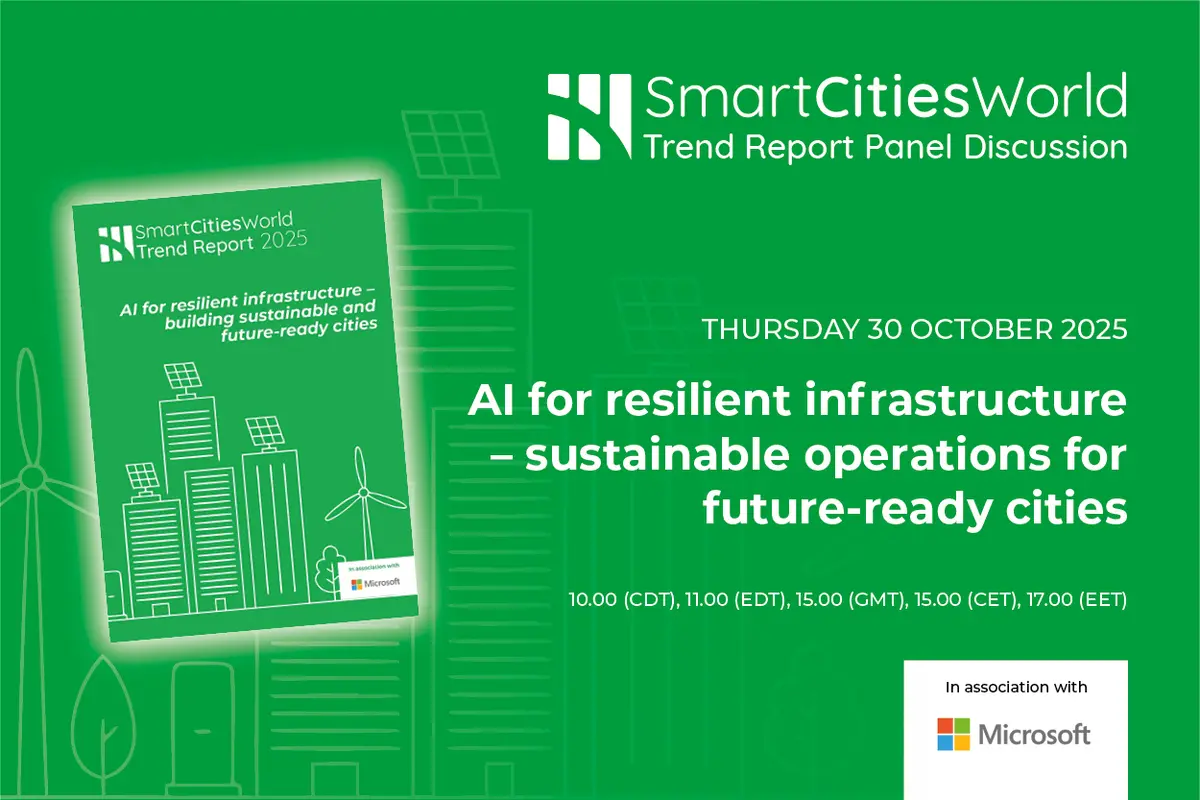
AI and Digital Twins: The New Backbone of Urban Infrastructure
Modern cities face unprecedented challenges: climate change, aging infrastructure, rapid urbanization, and the demand for digital transformation. At the heart of the solution lies artificial intelligence (AI) combined with digital twin technology—a powerful duo that is reshaping how urban systems are designed, operated, and maintained. These innovations promise to improve efficiency, resilience, and sustainability across all aspects of city life, from transport and energy to public safety and building management.
AI-powered digital twins are virtual replicas of physical assets, processes, and systems. They allow city planners and operators to simulate real-world conditions, predict failures, and optimize performance in real time. As cities confront the combined pressures of climate change, infrastructure resilience and digital transformation, events like the SmartCitiesWorld Summit 2026, held during London Climate Action Week, bring together urban leaders and partners to explore how these agendas intersect—and how cities can translate strategy into practical action.
Transforming Urban Transport with Data and AI
One of the most promising applications of AI in cities is within urban transport networks. Data from sensors, GPS, cameras, and user transactions is being harnessed to support planning, day-to-day operations, and improve outcomes for communities and passengers. AI algorithms analyze traffic patterns, predict congestion, and adjust signal timings dynamically. Real-time data feeds enable transit agencies to reroute buses, manage demand for ride-sharing services, and provide accurate arrival information to commuters.
For example, Dublin is innovating to improve experiences and services for its communities through digital twin projects, traffic reduction initiatives, and economic growth strategies. The city uses AI to model traffic flow and test interventions before implementing them in the real world. This reduces costs, minimizes disruption, and leads to more efficient outcomes. Similarly, on-demand webinars such as “How sensors, AI, and digital twins can shape the future of urban transport” explore these technologies in depth, showing how cities can move from reactive to proactive management.
Leading the Way: Malaysia’s AI-Powered Urban Innovation
Southeast Asia is emerging as a hotbed for smart city innovation. Malaysia is leading the way with AI-powered urban initiatives, showcased at the first Southeast Asian Smart City Expo in Kuala Lumpur. The expo highlighted projects that integrate AI into traffic management, waste collection, energy efficiency, and public safety. These efforts are part of a national push to become a regional hub for digital innovation while addressing sustainability goals.
Malaysia’s approach demonstrates how emerging economies can leapfrog traditional infrastructure development by adopting cutting-edge technologies. The country’s smart city framework emphasizes data sharing, public-private partnerships, and community engagement—key ingredients for building resilient cities of the future.
Building Resilient Economies: Sunderland’s Smart City Transformation
In the United Kingdom, Sunderland is repositioning itself as a leading smart city by using digital infrastructure and low-carbon innovation. The latest SmartCitiesWorld City Profile on Sunderland details how the city is building a resilient, future-focused economy. Key initiatives include a city-wide fiber network, smart street lighting, and an urban observatory that collects environmental data. AI is used to analyze this data to reduce energy consumption, improve air quality, and enhance citizen services.
Sunderland’s transformation is a model for post-industrial cities looking to reinvent themselves. By focusing on digital inclusion and sustainability, the city aims to attract investment, create jobs, and improve quality of life for residents.
Data-Driven Resilience: Lessons from Quezon City and Dublin
Resilience is not only about technology but also about preparedness. The Urban Exchange podcast featured a first-hand account from Quezon City following unexpected extreme rainfall. City officials discussed how data from sensors and weather models helped them respond more effectively, allocating resources to flood-prone areas and communicating warnings to citizens. This case study underscores the importance of real-time data and AI-driven analytics in disaster management.
Similarly, Dublin’s digital twin projects allow city managers to simulate flooding scenarios, test drainage improvements, and assess the impact of sea-level rise. These tools enable proactive planning rather than reactive crisis management, saving lives and reducing economic losses.
Indoor Safety and Smart Sensor Networks
Beyond city-wide systems, AI is transforming indoor environments. Smart sensor networks can detect risks early—such as gas leaks, fires, or structural weaknesses—improving situational awareness and supporting healthier, more secure, and sustainable buildings. In offices, schools, and hospitals, sensors monitor air quality, occupancy, and energy use. AI analyzes this data to optimize ventilation, lighting, and heating, reducing operational costs and carbon footprints while ensuring comfort and safety.
Gareth Tang, President of Urban Solutions at ST Engineering, explains how urban AI applications are set to evolve. He details projects where AI is already making significant impact, such as predictive maintenance for public infrastructure, anomaly detection in water systems, and automated incident response in smart buildings. Tang emphasizes that the next frontier is integrating AI with edge computing to process data locally, reducing latency and bandwidth requirements.
Webinars and Resources for Deeper Learning
For professionals seeking to implement these technologies, several on-demand resources are available. The webinar “Getting your data strategy right for smarter sites and safer operations” provides a roadmap for collecting, storing, and analyzing data effectively. Another session, “How sensors, AI, and digital twins can shape the future of urban transport,” delves into practical case studies from cities around the world.
Additionally, the SmartCitiesWorld newsletter (daily or weekly) curates the latest news articles, city interviews, special reports, and guest opinions—delivering actionable insights directly to subscribers’ inboxes. The podcast series also features expert guests like Youssef Nadiri of PNY Technologies, who discusses the concept of sovereign AI for cities—where governments maintain control over data and algorithms to ensure security and ethical use.
The Role of Digital Twins in Long-Term Sustainability
Digital twins are not just for immediate operational improvements; they are essential for long-term planning. By creating a virtual model of an entire city, planners can test the impact of new developments, green spaces, or transportation policies over decades. They can simulate the effects of climate change, population growth, and economic shifts, allowing for evidence-based decision-making.
For example, a digital twin of a city’s water network can predict pipe failures, optimize pressure, and reduce leaks—saving millions of gallons of water annually. Similarly, digital twins of energy grids help integrate renewable sources like solar and wind, balancing supply and demand while maintaining stability. These capabilities are critical for achieving net-zero targets and building truly sustainable cities.
Ethical Considerations and Data Governance
As cities become more data-driven, ethical considerations must keep pace. Privacy, security, and bias are major concerns. Sovereign AI—where cities own and operate their AI systems—offers a pathway to ensure compliance with local regulations and cultural values. Transparent algorithms, community input, and independent audits are necessary to build trust. The SmartCitiesWorld podcast on sovereign AI explores these topics, highlighting the need for policies that protect citizens while fostering innovation.
Moreover, data ownership and interoperability standards remain challenges. Cities must invest in open architectures and common data models to avoid vendor lock-in and enable seamless collaboration across departments and jurisdictions. The webinar on data strategy emphasizes these points, urging organizations to treat data as a strategic asset rather than a byproduct.
Global Collaboration and Knowledge Sharing
The path to future-ready cities is not one that any single city can walk alone. International events like the SmartCitiesWorld Summit 2026 and the Southeast Asian Smart City Expo facilitate knowledge sharing and partnership building. They provide platforms for urban leaders to exchange best practices, showcase pilot projects, and secure funding for large-scale deployments.
Furthermore, city profiles and case studies from Sunderland, Dublin, Quezon City, and others offer replicable models. By documenting their journeys—including challenges, failures, and successes—these cities contribute to a global repository of wisdom that accelerates progress for all.
Conclusion Not Needed
The convergence of AI, digital twins, IoT sensors, and data analytics is unlocking unprecedented opportunities for urban resilience and sustainability. From optimizing transport networks to safeguarding buildings and responding to disasters, these technologies empower cities to become smarter, more efficient, and more livable. The examples and resources discussed herein demonstrate that the future is already taking shape—driven by innovation, collaboration, and a shared commitment to building cities that can withstand and thrive amidst change.
Source: Smart Cities World News