

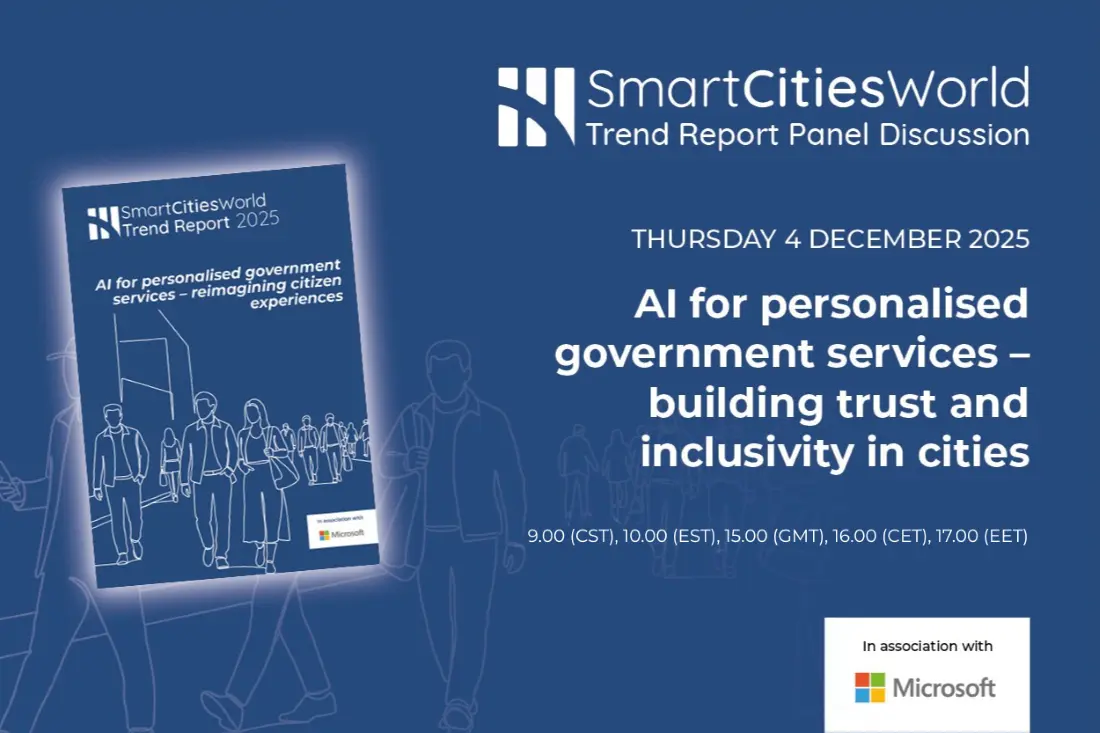
The modern city is a complex ecosystem of infrastructure, services, and human interactions. As urban populations swell and expectations for seamless, responsive governance rise, municipal leaders are turning to artificial intelligence to deliver personalised government services that build trust and foster inclusivity. The promise is a city that listens, anticipates, and adapts to the needs of every resident—but realising this vision requires careful integration of data, technology, and ethical oversight.
At the heart of this transformation lies the concept of the digital twin: a virtual replica of physical urban assets that enables real-time simulation and decision-making. When powered by AI, digital twins become the intelligent operating layer for cities, allowing planners to model traffic flows, energy consumption, public safety responses, and even social service delivery. By simulating outcomes before they happen, governments can optimise resources, reduce waste, and tailor interventions to specific communities. For example, a digital twin of a neighbourhood might predict which streets require more frequent cleaning based on foot traffic patterns, or identify where elderly residents lack access to green spaces—then trigger personalised alerts or service adjustments.
Yet personalisation alone is not enough. Trust is the currency of smart governance. Residents must feel confident that their data is used ethically, decisions are transparent, and technology serves everyone equally. This is why inclusive design is integral to AI-powered government services. In cities such as Dublin, digital twin projects have been paired with community engagement initiatives to ensure that low-income and marginalised groups are not left behind. Dublin's traffic reduction strategies, for instance, rely on AI to adjust traffic light timings based on real-time congestion data, but the city also publishes algorithms and open data dashboards so citizens can scrutinise decisions. Similarly, Sunderland's repositioning as a smart city involves not just digital infrastructure but a commitment to low-carbon innovation that benefits all residents—retrofitting public housing with smart meters and energy-efficient systems while providing digital skills training to ensure everyone can participate.
Urban transport networks offer a clear window into AI's potential for personalised, trustworthy services. By analysing data from cameras, GPS sensors, and ticketing systems, cities can adjust bus schedules, reroute trains, and even predict maintenance needs before breakdowns occur. This proactive approach improves reliability for daily commuters and ensures that underserved areas receive equitable service. Quezon City, after experiencing unexpected extreme rainfall, used AI-driven flood modelling to coordinate emergency responses and communicate real-time warnings via personalised SMS to residents in vulnerable zones. The result was not just faster rescues but a stronger sense of public trust in the city's ability to protect its citizens.
Climate change adds urgency to these efforts. Cities face twin pressures of infrastructure resilience and digital transformation. During London Climate Action Week and other global forums, leaders discuss how AI can help translate strategy into practical action—using predictive analytics to fortify coastlines, optimise water usage, or reduce carbon emissions from buildings. Smart sensor networks, for example, can detect indoor air quality hazards early, improving situational awareness and supporting healthier, more secure buildings. These systems, when integrated with city-wide AI platforms, allow governments to personalise energy-saving recommendations for households or businesses, building trust through tangible environmental benefits.
Southeast Asia is emerging as a hotbed of AI-powered urban innovation. Malaysia, for instance, is championing the first Southeast Asian Smart City Expo in Kuala Lumpur, where it showcases how AI can drive national digital transformation while respecting local communities. Projects range from AI-assisted waste collection routes to personalised health advisories based on air quality data. The focus is on inclusivity—ensuring that rural and urban populations alike benefit from smart city investments. In Dublin, the city profile highlights how digital twin projects have spurred economic growth by attracting tech companies while simultaneously reducing traffic congestion through AI-managed signals and dynamic parking pricing.
One of the most promising frontiers is sovereign AI for cities. As explored in expert podcasts and panel discussions, sovereign AI refers to AI systems that are built, owned, and governed by local authorities using domestic data. This approach builds trust because citizens know that their data remains under local control, subject to familiar regulations and cultural norms. It also allows for more nuanced personalisation—a city can train its AI models on local demographics, languages, and historical patterns, delivering services that truly reflect the community's identity. ST Engineering's Gareth Tang has detailed how urban AI applications are already making significant impact in projects such as predictive policing, smart lighting, and integrated command centres that coordinate traffic, safety, and emergency services in real time.
Data strategy is the foundation upon which all these innovations rest. Without robust, secure, and accessible data, AI personalisation remains a buzzword. Cities must invest in data governance frameworks that protect privacy while enabling interoperability between departments. On-demand webinars and trend reports consistently stress the importance of getting the data strategy right—ensuring that data flows from sensors, social services, transport, and utilities can be combined ethically to create a unified view of city operations. This integration is what allows a government to send a personalised notification: "Your water usage is 20% above your neighbourhood average; would you like tips on conservation?" or "A free health screening van will be at your community centre next Tuesday—reserve your slot now."
The path forward is not without challenges. Algorithmic bias, surveillance concerns, and digital divides must be addressed head-on. However, cities that prioritise transparency, inclusive design, and community co-creation are demonstrating that AI can be a force for trust and equity. As urban leaders gather to share best practices—from London to Kuala Lumpur, from Sunderland to Quezon City—they are writing a new chapter in governance: one where every resident feels seen, heard, and served by the intelligent systems that underpin their daily lives. The goal is not just smarter cities, but more human ones.
Source: Smart Cities World News