

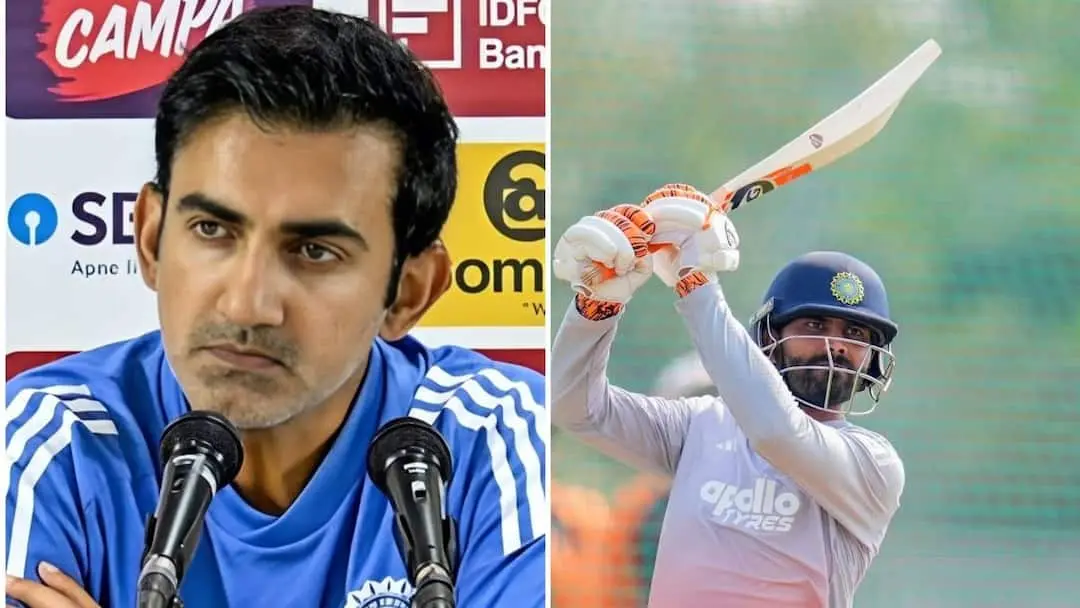
The Indian cricket team is undergoing a significant structural transformation under the leadership of head coach Gautam Gambhir. According to recent reports, five key players, including all-rounder Ravindra Jadeja, have been restricted to a single format. This decision marks a departure from the traditional approach of multi-format players and signals a focused strategy for building specialized squads across Test, ODI, and T20I cricket.
Background: The Shift in Team Philosophy
Gautam Gambhir, who took over as head coach after the 2023 ODI World Cup, has been emphasizing a clear division of roles within the team. The rationale behind restricting players to one format is to manage their workload, reduce injury risks, and ensure peak performance in specific formats. This approach is not entirely new; several international teams, including Australia and England, have employed similar strategies to prolong careers and maintain high standards.
However, the decision has sparked debate among cricket pundits and fans. Ravindra Jadeja, a proven performer in all three formats, being confined to a single format is seen as a bold move. Jadeja has been an integral part of India's Test, ODI, and T20I setups, contributing with both bat and ball. His exclusion from multi-format duties could reshape India's balance in the shorter formats.
The Five Players Affected
While the official list has not been confirmed, credible sources indicate that along with Jadeja, four other Indian players have been asked to focus on one format. The names are speculated to be experienced cricketers who have been playing across all formats. This includes a pace bowler, a spinner, and two batsmen. The selection committee and Gambhir believe that specialization will bring out the best in these players and help in building a robust bench strength.
For instance, restricting a fast bowler to Test cricket could extend his career by reducing the physical toll of limited-overs matches. Similarly, a batsman focused solely on T20Is can fine-tune his skills for the aggressive style required. However, critics argue that this limits the team's flexibility and may lead to a lack of all-round options during crucial series.
Ravindra Jadeja's Role and Impact
Ravindra Jadeja has been one of India's most consistent performers since his debut. His left-arm spin, sharp fielding, and aggressive batting make him a valuable asset. In Test cricket, he has taken over 250 wickets and scored over 2500 runs. In ODIs, he has 200-plus wickets and crucial runs in the lower order. In T20Is, his economy rate and ability to strike boundaries are vital.
If Jadeja is restricted to Test matches only, India will lose a reliable all-rounder in ODIs and T20Is. This could open doors for younger players like Axar Patel, Washington Sundar, or even debutants. However, it also means that India's balance in the middle order and spin department will need re-evaluation.
Historical Context: Past Instances of Format Restrictions
The concept of restricting players to specific formats is not unprecedented. Under previous coaches, India has often managed workloads by resting players. For example, Jasprit Bumrah has been preserved for Test matches and major ODI tournaments, while being rested from bilateral T20I series. Similarly, Hardik Pandya has been used primarily as a white-ball specialist due to his injury history.
Australia's Pat Cummins and Josh Hazlewood have often been excused from limited-overs tours to focus on Tests. England's rotation policy has also seen players like Stuart Broad and James Anderson being restricted to Tests, especially after their retirement from ODIs. Gambhir's approach seems to be borrowing from these global trends, but implementing them in a more structured manner.
The Selection Committee's Stance
Sources close to the selection committee have indicated that the new policy is aimed at building a core group of specialists. The committee, led by chief selector Ajit Agarkar, has been working closely with Gambhir to identify players who can excel in one format rather than being average in all. This is particularly important given the packed international calendar and the upcoming ICC events.
India is scheduled to play a number of Test series, the Asia Cup, the Champions Trophy, and the next T20 World Cup in the coming years. Having specialized players could provide a competitive edge. For example, a bowler dedicated to T20Is can develop variations like slower balls and yorkers, while a Test bowler focuses on consistency and swing bowling.
Reactions from the Cricket Fraternity
The news has elicited mixed reactions. Former players like Sunil Gavaskar and Sourav Ganguly have expressed cautious support, emphasizing the need for workload management. However, some have raised concerns about the lack of all-rounders. Legendary spinner Anil Kumble noted that while specialization is important, a player like Jadeja has proven his worth across formats and should not be limited.
Fans on social media are divided. Many believe that this move could help India win the next Test Championship, while others fear that it might weaken the ODI and T20I sides. The BCCI has not officially commented, but an announcement is expected soon.
Detailed Analysis: Pros and Cons
Advantages of Format Restriction
- Reduced Injury Risk: Playing fewer matches lowers the chance of burnout and injuries, extending players' careers.
- Improved Specialization: Focusing on one format allows players to hone specific skills, like red-ball technique or white-ball aggression.
- Better Performance: Fresh players often perform better, as seen with Bumrah's impact when rested between series.
- Evolution of Bench Strength: Encourages new players to emerge, creating a deeper pool of talent.
Disadvantages
- Loss of Flexibility: In situations like injuries or sudden form slumps, having multi-format players provides options.
- Team Balance Issues: All-rounders like Jadeja offer balance; removing them from one format can create gaps.
- Player Dissatisfaction: Some players may feel undervalued or forced to choose, affecting morale.
- Over-reliance on Specialists: Might lead to a specialist-heavy squad that struggles in unpredictable conditions.
The Future of Indian Cricket Under Gambhir
Gautam Gambhir's tenure is still in its early stages, but this policy indicates a clear vision. He has also introduced other changes, such as rotating the captaincy across formats and promoting young talent. If successful, this model could become a template for Indian cricket in the long run.
The decision about Jadeja and the four other players will be closely watched. Their performances in the upcoming domestic season and bilateral series will determine if the restriction pays off. For now, the cricketing world waits to see how this bold strategy unfolds.
In the meantime, the team is preparing for the home Test series against New Zealand and the limited-overs tour to South Africa. The composition of these squads will reveal further details about the new policy.
Source: ABP Live English News