

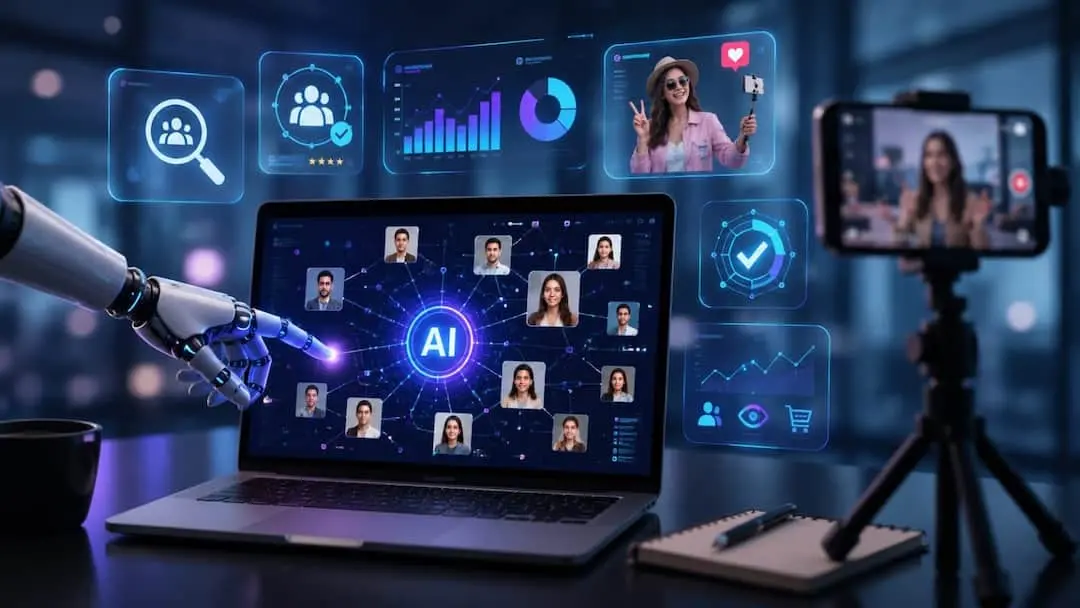
The influencer marketing landscape is undergoing a profound transformation as artificial intelligence (AI) becomes an integral part of campaign strategy. Once reliant on manual selection, gut feelings, and vanity metrics, brands are now turning to data-driven approaches powered by machine learning algorithms to identify the right creators, predict campaign performance, and measure real return on investment. This shift is not just a trend but a necessity in an industry projected to reach $21.1 billion in 2023, according to recent estimates.
The Rise of AI in Influencer Marketing
Influencer marketing has evolved from a niche tactic to a cornerstone of digital advertising. However, with growth came challenges: fake followers, lack of transparency, and difficulty in proving ROI. AI addresses these pain points by analyzing vast amounts of data from social media platforms, audience demographics, engagement patterns, and historical campaign results. Machine learning models can now predict which influencer partnerships will resonate best with a target audience, reducing guesswork and increasing efficiency.
Key AI Applications in the Industry
- Influencer Discovery and Vetting: AI tools scan millions of profiles to find creators whose audience aligns with a brand's target market. They assess not just follower count but genuine engagement, sentiment, and content relevance.
- Fraud Detection: Bots and fake influencers are a major issue. AI analyzes follower growth patterns, comment authenticity, and engagement consistency to flag suspicious accounts.
- Performance Prediction: Historical data and current trends allow AI models to estimate the reach, engagement, and conversions a campaign might generate before it launches.
- Content Optimization: Natural language processing (NLP) and image recognition help brands understand which types of posts (videos, images, text) and topics drive the best reactions from specific audiences.
- Budget Allocation: AI suggests optimal spending across influencers and platforms to maximize ROI, often reallocating funds mid-campaign based on real-time performance.
From Vanity Metrics to Real Value
Traditional influencer marketing often relied on likes, shares, and follower counts — metrics that can be easily inflated. AI shifts the focus to more meaningful indicators such as conversion rates, click-through rates, audience growth quality, and customer lifetime value. For example, a beauty brand using AI might discover that a mid-tier micro-influencer with 15,000 highly engaged followers generates more sales than a celebrity with millions of passive followers. This granular analysis is only possible through machine learning algorithms that process millions of data points per second.
Brands are also using AI to personalize influencer campaigns at scale. Instead of a one-size-fits-all campaign, AI can recommend different influencers for different customer segments, tailoring messages and creatives to each group. This hyper-personalization leads to higher conversion rates and stronger brand affinity.
Case Studies and Real-World Examples
Several major brands have already adopted AI-driven influencer marketing. For instance, a global sportswear company used an AI platform to analyze engagement patterns across 10,000 influencers. The system identified that video content featuring behind-the-scenes training clips outperformed polished lifestyle posts by 40% in terms of click-through rates. The brand then reallocated its budget to video-centric influencers, achieving a 25% increase in campaign ROI.
Another example comes from the food and beverage sector, where a snack brand employed AI to detect and remove influencers with high concentrations of bot followers. The platform flagged nearly 30% of potential partners as high-risk, saving the brand significant wasted spend. Post-cleanup, the campaign saw a 60% improvement in genuine engagement.
Challenges and Ethical Considerations
Despite its benefits, AI in influencer marketing is not without challenges. Algorithmic bias can lead to underrepresentation of minority creators if training data is skewed. Additionally, over-reliance on AI might cause brands to miss out on creative, trendsetting influencers whose data is limited. Privacy concerns also arise as AI collects and processes vast amounts of personal data from social media users. Regulators are increasingly scrutinizing these practices, and brands must ensure compliance with GDPR, CCPA, and other data protection laws.
Another ethical issue is the transparency of AI recommendations. Brands should understand how algorithms arrive at their suggestions to avoid unintended consequences. Some platforms now include explainability features, but the industry still has work to do in making AI decisions more interpretable.
The Future of AI-Driven Influencer Marketing
Looking ahead, AI will likely become even more sophisticated. Real-time campaign optimization will become standard, with algorithms adjusting content, posting times, and audience targeting on the fly. Generative AI may also play a role, helping influencers create content variations tailored to different demographics. Augmented reality (AR) and AI combined could enable virtual try-ons and interactive ads that feel natural within an influencer's feed.
Moreover, the integration of AI with other technologies like blockchain could provide immutable records of campaign performance and influencer authenticity. Smart contracts could automate payments based on verified results, reducing disputes and increasing trust.
As brands continue to demand measurable outcomes and higher accountability, the adoption of AI in influencer marketing is set to accelerate. The industry will shift from a relationship-driven model to a data-driven one, where creativity and analytics coexist. Influencers themselves will need to adapt, embracing data transparency and collaborative partnerships with brands that use AI tools.
Ultimately, AI is not replacing the human element of influencer marketing — the authentic connection between creator and audience — but enhancing it by providing the insights needed to make those connections more effective and scalable. For brands willing to invest in these technologies, the payoff is clear: campaigns that are smarter, more efficient, and more profitable.
Source: ABP Live English News