

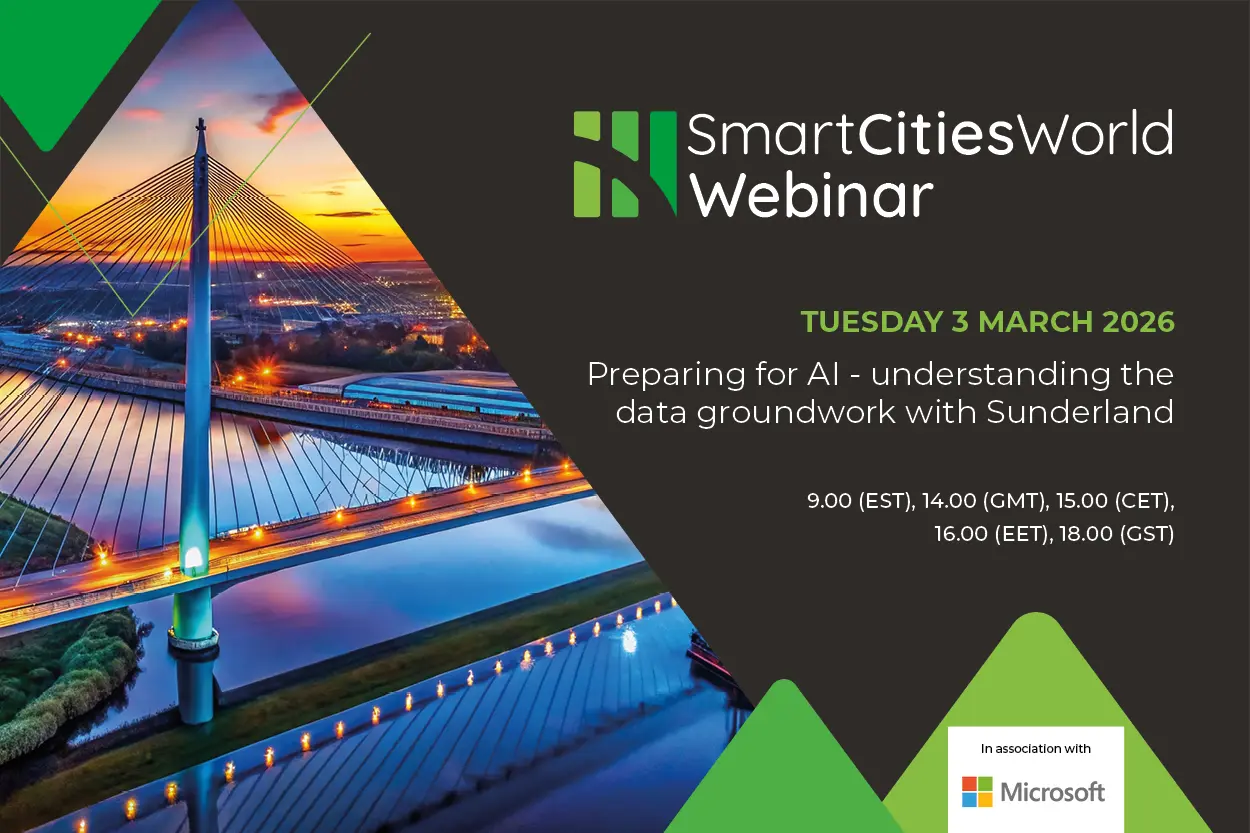
The rapid advancement of artificial intelligence is reshaping how cities operate, but the path to truly smart urban environments begins long before algorithms are deployed. A new on-demand webinar from SmartCitiesWorld, titled "Preparing for AI: Understanding the Data Groundwork with Sunderland," delves into the foundational steps required to build a robust data ecosystem capable of supporting AI initiatives. The webinar features insights from Sunderland City Council and partner organizations, highlighting how the northern English city is leveraging digital infrastructure and low-carbon innovation to become a model for future-focused urban transformation.
The Sunderland Smart City Vision
Sunderland has long been known for its industrial heritage, but in recent years, the city has embarked on an ambitious journey to reposition itself as a leading smart city. By investing in fiber-optic networks, IoT sensors, and open data platforms, Sunderland is creating the digital backbone necessary to support AI applications in transportation, energy, waste management, and public services. The city's strategy is built on three pillars: digital connectivity, low-carbon innovation, and inclusive growth. Underpinning all of these is a comprehensive data management framework that ensures information is collected ethically, stored securely, and made accessible to authorized stakeholders.
The Role of Data Groundwork
Before AI can be effectively deployed, cities must establish a solid data foundation. This involves not only collecting vast amounts of data but also normalizing it, reconciling different formats, and ensuring interoperability across systems. Sunderland's approach includes the creation of a city-wide data lake that aggregates information from traffic sensors, air quality monitors, energy grids, and public transit operations. The data infrastructure is designed to be scalable and resilient, allowing for real-time analytics and historical trend analysis. The webinar explores how such groundwork enables predictive modeling for traffic flow, early warnings for infrastructure failures, and optimized routes for emergency services.
Digital Twins and AI: The Intelligent Operating Layer
One of the most exciting applications of AI in cities is the development of digital twins—virtual replicas of physical assets and systems. These models allow planners to simulate scenarios, test interventions, and predict outcomes without disrupting real-world operations. In Sunderland, a digital twin of the urban transport network is being used to support planning and day-to-day operations. The twin ingests data from GPS-enabled buses, traffic cameras, and passenger counters, feeding into AI algorithms that adjust signal timings, reroute vehicles during disruptions, and optimize schedules based on demand patterns. The result is a more efficient, reliable, and sustainable transport system that improves outcomes for both commuters and the environment.
From Strategy to Practical Action
The webinar underscores that digital twins and AI are not just theoretical concepts—they are practical tools for addressing pressing urban challenges. Sunderland's experience demonstrates how city leaders can translate high-level strategy into concrete action. For example, the city has piloted AI-powered sensors that monitor building energy consumption and detect anomalies, enabling facilities managers to reduce waste and lower carbon emissions. In public spaces, computer vision algorithms analyze pedestrian flows to inform crowd management and safety protocols. The key, according to experts featured in the webinar, is to start with well-defined problems and enrich data sets incrementally.
AI in Urban Transport Networks
Transportation remains a focal point for AI deployment in cities worldwide. This webinar dedicates significant time to exploring how data and AI are being used to support planning, operations, and community engagement. Urban transport networks generate enormous amounts of data, from ticket validations to real-time vehicle locations. By applying machine learning, cities can uncover patterns that were previously invisible. Sunderland, for instance, uses AI to predict bus arrival times with higher accuracy, reducing wait times and improving passenger satisfaction. The technology also helps planners identify underserved areas and adjust service frequency accordingly. Beyond public transit, AI supports smarter traffic management by optimizing signal timings based on current conditions, reducing congestion and emissions.
Building Resilience Against Climate Change
As cities confront the combined pressures of climate change, infrastructure resilience, and digital transformation, events like the SmartCitiesWorld Summit 2026—set to take place during London Climate Action Week—bring together urban leaders to explore how these agendas intersect. Sunderland's data groundwork positions it well for such challenges. The city's AI systems can model the impact of extreme weather events, such as flooding or heatwaves, on infrastructure and populations. This allows for proactive measures, such as reinforcing vulnerable structures or alerting residents. The webinar also references Quezon City's experience with unexpected extreme rainfall, underscoring the importance of real-time data and AI in emergency response.
The Global Context: Malaysia and Beyond
The webinar does not limit its focus to the United Kingdom. It highlights how Malaysia is leading the way in AI-powered urban innovation, particularly through the first Southeast Asian Smart City Expo in Kuala Lumpur. This global perspective enriches the discussion by showcasing diverse approaches to data groundwork. Sunderland's own city profile, released by SmartCitiesWorld, details how the city is using digital infrastructure and low-carbon innovation to build a resilient, future-focused economy. Similarly, Dublin's profile illustrates innovations in digital twin projects, traffic reduction, and economic growth. These examples collectively demonstrate that the principles of data groundwork are universally applicable, though local contexts shape implementation.
Podcast Insights and Expert Opinions
For those seeking deeper understanding, the webinar references the SmartCitiesWorld podcast, which features Youssef Nadiri of PNY Technologies discussing sovereign AI for cities. Sovereign AI refers to locally controlled, ethically governed AI systems that align with a city's values and regulations. Sunderland is exploring how to maintain data sovereignty while leveraging global AI advancements. The Urban Exchange podcast also provides firsthand accounts of city resilience measures, such as Quezon City's response after unexpected extreme rainfall. These audio resources complement the webinar by offering real-world narratives of AI and data in action.
Smart Sensors and Indoor Safety
Another topic covered in the webinar is the use of smart sensor networks for indoor safety. AI-powered sensors can detect risks early—such as gas leaks, fire hazards, or structural weaknesses—improving situational awareness and supporting healthier, more secure, and sustainable buildings. In Sunderland, trials in public buildings have shown that such systems reduce response times and prevent accidents. Gareth Tang, President of Urban Solutions at ST Engineering, provides expert commentary on how urban AI applications are evolving, detailing projects where AI is already making significant impact, from predictive maintenance of escalators to energy optimization in data centers.
Trend Reports and Panel Discussions
The webinar is part of a broader on-demand library that includes trend reports on AI and data transforming transport operations and services, as well as panel discussions on digital twins and AI as the intelligent operating layer for cities. These resources are available alongside SmartCitiesWorld's daily and weekly newsletters, which curate the latest news, city interviews, special reports, and guest opinions. Subscribers gain access to a wealth of knowledge that can inform their own city's data groundwork journey.
In summary, the webinar "Preparing for AI: Understanding the Data Groundwork with Sunderland" offers a comprehensive look at the foundational steps necessary for cities to embrace AI. By focusing on data infrastructure, digital twins, transport optimization, and resilience, it provides actionable insights for urban leaders worldwide. Sunderland's example proves that with diligent preparation, even mid-sized post-industrial cities can become pioneers in the smart city movement.
Source: Smart Cities World News