

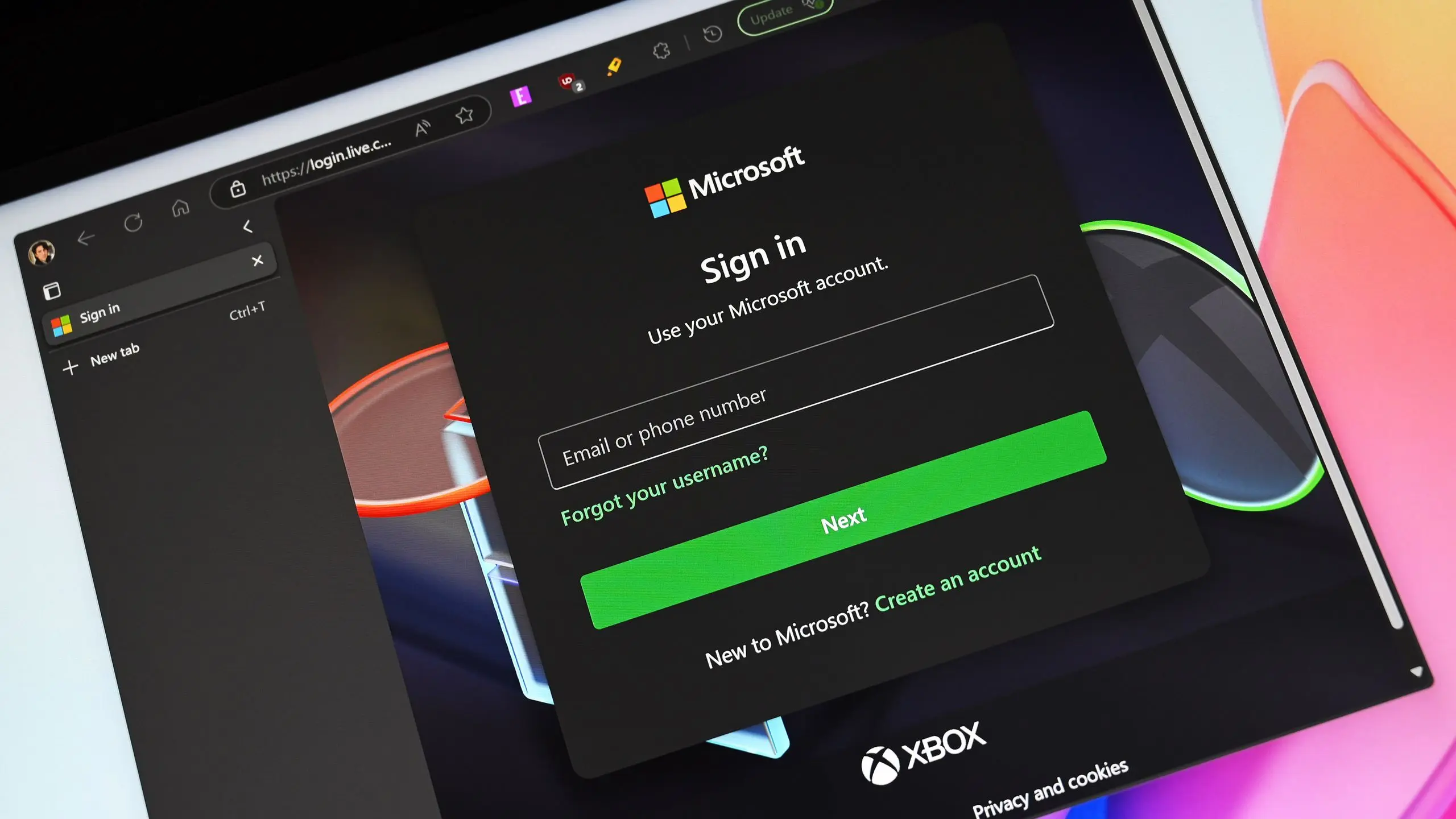
Microsoft Edge, the browser that has undergone a remarkable transformation since its Chromium-based rebirth, has introduced a long-requested feature: the ability to sign in using a Google account. This development marks a significant shift in Microsoft's approach to user identity and cross-platform integration, potentially attracting users who have been hesitant to adopt Edge due to its previous reliance on Microsoft accounts.
The new capability allows users to log into Edge with their Google credentials, syncing bookmarks, passwords, and browsing history across devices without needing a separate Microsoft account. This is particularly beneficial for the vast number of users who are deeply embedded in Google's ecosystem—using Gmail, Google Drive, and other services. By accommodating these users, Microsoft is signaling a willingness to interoperate with rival platforms, a strategy that has become increasingly important in the modern tech landscape.
Background: The evolution of Microsoft Edge
To appreciate the significance of this update, one must understand Edge's journey. Originally launched alongside Windows 10 in 2015, Edge was built on Microsoft's proprietary EdgeHTML engine. It was intended to replace Internet Explorer, but it struggled to gain traction against Google Chrome's dominance. In 2018, Microsoft announced it would rebuild Edge using Chromium, the open-source project that also powers Chrome. This move allowed Edge to leverage Chrome's extensive extension library and rendering compatibility while adding unique Microsoft features.
Since then, Edge has steadily gained market share, though it still trails behind Chrome. Microsoft has differentiated Edge through features like vertical tabs, a built-in PDF reader, collections, and integration with Microsoft services like Office 365 and Bing. However, the lack of Google account sign-in was a notable gap, especially for users who wanted to maintain a single identity across browsers.
How the new feature works
Users can now navigate to the sign-in page within Edge and choose the option to sign in with a Google account. After authenticating via Google's OAuth system, Edge will link that Google identity to the browser's profile. This means that if a user is already signed into Chrome with the same Google account, they can maintain consistency of bookmarks and passwords across both browsers, though full sync between Edge and Chrome is not yet possible—Edge syncs with its own cloud service, but the Google account acts as the authentication method.
This approach is a departure from the traditional model where Edge required a Microsoft account for personalization. By allowing Google accounts, Microsoft is effectively removing a barrier for users who may have multiple Google services active and do not wish to create yet another account.
Impact on user experience and privacy
For users, the convenience is clear. Those who rely on Google's ecosystem can now enjoy a seamless experience on Edge without juggling credentials. However, some privacy-conscious users might have concerns about data sharing between Microsoft and Google. Microsoft has stated that the login process uses standard OAuth 2.0 protocols, and the browser does not transmit account data to Google beyond the authentication tokens. Users retain control over what information is synced to Edge's servers.
Moreover, this feature aligns with broader industry trends toward federated identity management, where users can sign into services using existing accounts from major providers. It reflects a growing recognition that lock-in strategies can backfire, and that providing choice can enhance user loyalty.
Historical context: Browser wars and identity
The browser market has always been competitive, with identity playing a crucial role. In the early 2000s, Internet Explorer dominated because it was bundled with Windows. Later, Firefox challenged with open-source principles, and then Chrome emerged with speed and simplicity, leveraging Google's account system to offer sync across devices. Microsoft's decision to allow Google accounts on Edge can be seen as an acknowledgment that Chrome's ecosystem is too entrenched to ignore.
Analysts note that this move could help Edge capture users who have been using Chrome but are seeking better privacy features or a different experience. Edge already offers built-in tracking prevention and a more streamlined interface. Now, with Google account sign-in, switching becomes less disruptive.
Future implications
This update may pave the way for even deeper cross-platform integration. Microsoft has been investing heavily in making Edge work well on Android, iOS, and other platforms. Supporting Google accounts could be a step toward synchronizing with Google's own services, though such partnerships would likely be limited by competitive tensions.
Additionally, enterprise users who rely on Google Workspace may find Edge more appealing if they can use their corporate Google accounts for sign-in, though Microsoft's enterprise offerings typically push for Azure Active Directory. Still, for personal use, the feature is a win.
In summary, the addition of Google account sign-in to Microsoft Edge is a strategic move that underscores the browser's evolution from a Windows-only tool to a cross-platform contender. It addresses a longstanding user request and signals a more open, collaborative approach from Microsoft. Users can now enjoy the benefits of Edge's unique features without abandoning their Google identity, making the browser a more viable alternative in the ongoing browser landscape.
Source: Windows Central News