

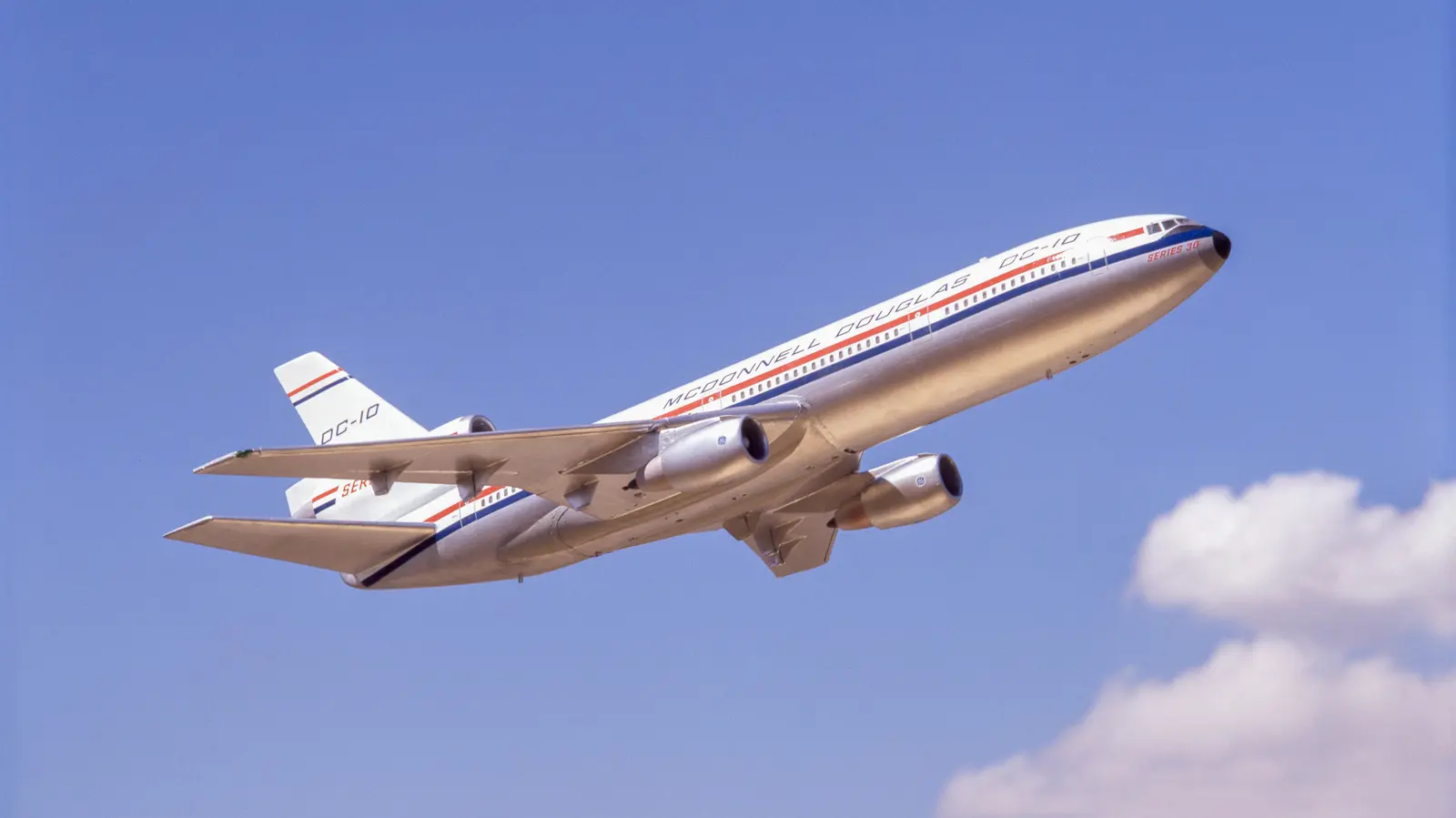
Imagine cruising at 30,000 feet, stretched out in a comfortable seat with plenty of legroom while a flight attendant in an eye-catching uniform serves you a glass of wine or a gourmet meal. This wasn't just a first-class fantasy—it was the standard for many passengers during the so-called Golden Age of travel. The decades following World War II ushered in the jet age, when air travel was novel, glamorous, and treated as a special event. Today, however, the experience has transformed dramatically. Most travelers now squeeze into tight economy seats, receive a small bag of pretzels, and must navigate strict security protocols. While flying has become more accessible and affordable, it has also lost much of its former charm. This article explores five of the most significant changes in commercial aviation from the 1970s to the present.
Smoking
Today, the idea of walking onto an airplane and finding your seat through a haze of cigarette smoke seems almost unthinkable. Yet in the 1970s, smoking was not only permitted—it was the norm. Passengers could light up in hospitals, restaurants, public transit, and planes without a second thought. The Civil Aeronautics Board issued a rule in 1973 requiring all domestic flights to offer both smoking and non-smoking sections, but the boundary was often porous. The familiar greeting, "Smoking or non-smoking?" echoed through boarding gates for nearly two decades. However, the dangers of secondhand smoke and a series of tragic events pushed for change. In 1990, President George H.W. Bush signed a law banning smoking on all flights six hours or shorter, and by 2000, smoking was banned entirely on all commercial flights. Ironically, a 1973 Varig flight from São Paulo to Rio de Janeiro ended in disaster when a passenger discarded a cigarette in a lavatory trash bin instead of an ashtray, causing a fire that killed 123 people. This incident reinforced the need for regulations, though to this day, ashtrays remain mandatory on aircraft. The shift away from smoking has made flights healthier and safer, though the transition took nearly three decades.
Security
Modern air travel is synonymous with rigorous security checks. Passengers must pass through metal detectors, advanced imaging scanners, and sometimes pat-downs; carry-on and checked luggage are screened meticulously; and identification must meet strict standards such as REAL ID or a passport. This was not always the case. In the 1960s, a wave of hijackings prompted the FAA to mandate locked cockpit doors and introduce undercover sky marshals on certain flights. By the early 1970s, bomb-sniffing dogs became common at major airports, but it was not until 1973 that the first metal detectors were installed—and initially, each airline screened its own passengers. The most transformative security overhaul came after the September 11, 2001 attacks, leading to the creation of the Transportation Security Administration (TSA). Before 9/11, anyone could pass through security gates without a ticket. Today, the TSA employs advanced behavior detection, biometric screening, and pre-check programs to expedite trusted travelers. Though lines can be frustrating, the layered security apparatus has dramatically reduced threats. Between 2000 and 2020, attempted hijackings dropped by over 90% compared to the 1970s.
Pricing
Before 1978, the federal government tightly regulated airline pricing and routes. All carriers charged similar fares, and competition focused on service rather than cost. Tickets included meals, checked bags, drinks, and other amenities. This changed with the Airline Deregulation Act of 1978, which allowed carriers to set their own prices. The result: fares dropped significantly, and air travel became accessible to millions more Americans. Adjusted for inflation, the average domestic ticket price fell by about 50% between 1978 and today. New budget airlines like Southwest, Spirit, and Frontier emerged, offering barebones service at rock-bottom prices. However, deregulation also shifted the competitive landscape. Airlines now charge for extras such as checked bags, meals, seat selection, and even carry-on luggage on some ultra-low-cost carriers. Passengers frequently pay more in fees than the base fare. While the overall cost of flying has decreased, the experience has become more transactional. Families and groups often struggle to sit together without paying extra. The golden age of inclusive service is long gone, but the trade-off is that many more people can afford to fly.
Smaller Seats
If you have felt increasingly squeezed on flights, you are not imagining it. Airlines have steadily reduced seat dimensions over the decades to maximize passenger counts and revenue. In the 1970s, typical seat width was about 18 inches, and seat pitch (the distance between rows) was around 34 inches. Today, many economy seats measure just 17 inches wide, with pitch shrinking to 31 inches or even less on some carriers. Three inches of legroom may not sound like much, but it makes a significant difference on long-haul flights. The pressure to pack more seats per plane has led to innovative designs like thinner padding and slimmer seats that reduce comfort further. Some airlines offer premium economy as a middle ground, but standard economy remains cramped. This trend has health implications, too: prolonged sitting in tight spaces increases the risk of deep vein thrombosis and other circulatory issues. While airlines argue that smaller seats keep base fares low, passenger advocacy groups have called for minimum seat standards. The Federal Aviation Administration has considered but not yet enacted such rules. In the meantime, travelers often purchase seat cushions or upgrade for extra legroom.
Safety
Turbulence and takeoff anxiety are common among flyers, but modern air travel is far safer than it was 50 years ago. Between 1966 and 1977, commercial aviation experienced about one fatal accident per 165,000 flights. By contrast, today's rate is roughly one fatality per 13.7 million passengers—a dramatic improvement. Several factors have driven this progress. Advances in aircraft technology, such as fly-by-wire systems, collision avoidance, and weather radar, have reduced human error. Enhanced pilot training, including crew resource management (CRM) and mandatory simulator sessions, has improved decision-making. The National Transportation Safety Board (NTSB) investigates every accident to identify causes and recommend changes, preventing future tragedies. Regulatory bodies like the FAA impose strict maintenance schedules and safety audits. Notably, the 2020s have seen a continued decline in fatal incidents, even as flight volumes grow. While recent accidents like the 2026 LaGuardia collision with a fire truck are jarring, they are the exception, not the rule. The statistical likelihood of being in a fatal plane crash is vanishingly small. Safety measures like smoke detectors, fire-resistant materials, and reinforced cockpit doors (post-9/11) have made airplanes more resilient. In summary, the modern passenger enjoys unprecedented levels of safety, a quiet triumph that often goes unnoticed amid complaints about crowded cabins.
Source: SlashGear News