

The relentless march of technology often leaves a trail of discarded devices, but not all older tech is destined for the recycling bin. In a surprising cultural shift, Generation Z and Generation Alpha are actively seeking out and embracing gadgets that were common just a few decades ago. This isn't merely nostalgia; it’s a conscious rejection of modern smart devices’ complexity, data mining, and ephemeral digital experiences. From bulky televisions to low-resolution cameras, these “retro” tools offer something that today’s sleek smartphones often cannot: a focused, tangible, and often more authentic user experience. Let’s explore four prime examples of older technology that younger people are welcoming with open arms.
CRTs (Cathode Ray Tube Televisions)
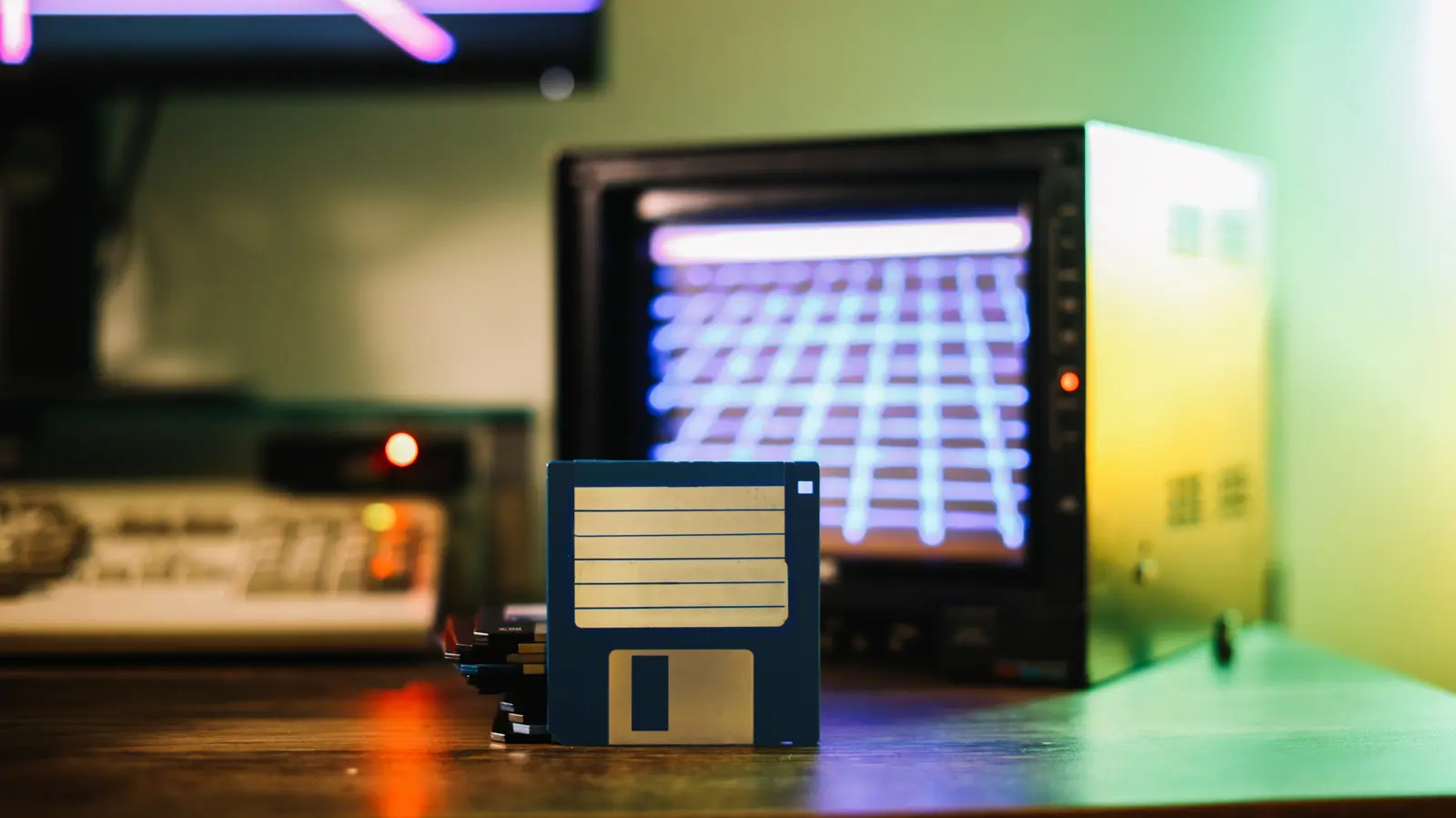
The resurgence of CRT monitors and televisions is perhaps the most visually striking example of this trend. For anyone who grew up in the 1990s, these heavy, boxy screens were the standard. But for younger gamers, they represent a gateway to experiencing classic video games as their creators intended. The reason goes beyond mere nostalgia: CRTs have near-zero input lag and a unique refresh rate that perfectly complements the pixel art and sprite-based graphics of early consoles like the NES, Super Nintendo, and Sega Genesis. Modern high-definition displays often blur or add artifacts to these older games, whereas a CRT renders them with crisp, natural scanlines that many enthusiasts consider essential.
Beyond gaming, the distinct aesthetic of CRT screens has also found a niche in photography and visual art. The curved glass and subtle phosphor glow create a look that digital filters on modern screens can only imitate. Young hobbyists scour thrift stores, garage sales, and online marketplaces for these heavy monitors, often paying premium prices for high-quality Sony Trinitron models. This trend has even spawned a small community of “CRT enthusiasts” who host meetups and share tips on finding and maintaining these aging displays. The appeal is not merely functional; it’s a rebellion against the sterile perfection of OLED and LCD panels, a yearning for a warmer, more organic viewing experience.
Physical Media (CDs, DVDs, VHS Tapes, and Vinyl Records)
Streaming services have made music, movies, and TV shows incredibly accessible, but they have also taken away consumers’ ownership of their collections. Younger generations are increasingly turning to physical media as a statement of independence. CDs, DVDs, and even VHS tapes are being purchased at second-hand stores and record shops, not just for the content but for the tangible experience. The act of opening a jewel case, reading liner notes, or inserting a tape into a player provides a deliberate, mindful engagement that scrolling through a digital library cannot match.
Vinyl records, in particular, have seen a remarkable revival among teenagers and twenty-somethings. The large album art, the ritual of placing the needle, and the warm analog sound are appealing in an era of compressed digital audio. Even the inherent imperfections—crackles, pops, and surface noise—are embraced as part of the charm. Similarly, DVDs are gaining popularity among Gen Z for their special features, director commentaries, and the guarantee that the content won’t suddenly disappear from a streaming catalog. This movement is partly driven by a growing distrust of big tech companies that can revoke access at any time, and a desire to own something physical that cannot be remotely deleted or altered.
Retro Consoles and “Dumb Phones”
The appeal of older gaming consoles goes hand in hand with the CRT trend. Gen Z players are not content with emulation or modern re-releases; they want the original hardware. This has driven up prices for classic consoles like the PlayStation 1, Nintendo 64, and Sega Dreamcast. These devices offer a pure, unadulterated gaming experience that is free from software updates, online subscriptions, or aggressive microtransactions. The simplicity of just inserting a cartridge or disc and playing is a refreshing contrast to today’s complex, internet-dependent gaming ecosystems.
At the same time, the “dumb phone” revolution is gaining momentum. Contrary to the assumption that younger people are glued to their smartphones, a growing number of Gen Z and Gen Alpha users are switching to basic feature phones that only call and text—or at most, have limited internet access. This movement is fueled by concerns over screen addiction, mental health, and data privacy. Dumb phones like the Nokia 3310 revival or the Punkt MP02 are praised for their battery life, durability, and the freedom they offer from the constant barrage of notifications and social media. Communities on Reddit and Discord share tips on how to maintain a digital minimalism lifestyle using these old-school devices. For many, it’s a way to reclaim time and attention in a world that demands constant connectivity.
Point-and-Shoot Cameras
Smartphone cameras have become incredibly sophisticated, with multiple lenses, AI enhancements, and computational photography. Yet, younger generations are flocking to vintage point-and-shoot film and digital cameras. The reasons are multifaceted. First, the limitation of a fixed zoom and a single lens forces users to think more carefully about composition and lighting, leading to a more intentional photographic process. Second, the distinctive look of older cameras—soft focus, film grain, or the noise of early digital sensors—is highly sought after for its retro aesthetic on platforms like Instagram and Pinterest.
The trend is particularly strong with cheap, all-in-one film cameras like the Kodak FunSaver or the Olympus Trip, but also with early 2000s digital models that capture images with a low-resolution, nostalgic quality that modern filters try to replicate. Young photographers appreciate the tactile feel of a physical shutter button and the noise of the film advance mechanism. Furthermore, film photography comes with the added thrill of anticipation—waiting for prints to be developed, not knowing exactly how a shot turned out. This analog uncertainty is a welcome departure from the instant gratification of digital photography. The practical benefits include long battery life (no need to charge between every shot) and, in the case of film, total independence from an internet connection.
These four examples highlight a broader cultural phenomenon: the rejection of planned obsolescence and the embrace of durable, simple, and privately-owned technology. Whether it’s the warm glow of a CRT, the tactile satisfaction of a vinyl record, the focus of a dumb phone, or the intentionality of a point-and-shoot, older tech offers values that modern devices often lack. Younger users are not simply mimicking their parents or grandparents; they are actively curating a relationship with technology that prioritizes experience over convenience, and ownership over access. As they continue to explore and repurpose these vintage tools, the line between “obsolete” and “timeless” becomes delightfully blurred.
Source: SlashGear News